


Best Estonian Books to Read Before Visiting Estonia

Reading Time: < 1 minute
Cape Kolka Latvia: Complete Visitor Guide

Reading Time: 17 minutesLatvia has no shortage of beautiful coastal destinations, but few feel quite as distinctive as Cape Kolka. Located at the northern tip of the Kurzeme Peninsula, this remote stretch of coastline is where the waters of the Baltic Sea meet the Gulf of Riga. It is a place of wide beaches, pine forests, changing skies and a maritime landscape shaped by centuries of fishing, sailing and coastal life. Known locally as Kolkasrags, Cape Kolka is more than a scenic viewpoint. It is an important stop for migratory birds, a gateway to Slītere National Park and part of the historic Livonian Coast, where the culture and traditions of the Livonian people remain an important part of the region’s identity. Whether you are planning a day trip from Riga, exploring Latvia’s quieter coastal communities or travelling through the Baltic states, Cape Kolka deserves a place on your itinerary. This guide covers the best things to do at Cape Kolka, the best time to visit, transport options, nearby attractions and practical details to help you plan your trip. Where Is Cape Kolka in Latvia? Cape Kolka is situated in the Talsi region of northwestern Latvia, at the northernmost point of the Kurzeme Peninsula. It extends into the Baltic Sea, forming a natural meeting point between the open Baltic Sea and the Gulf of Riga. The cape is approximately 150 kilometres from Riga by road, although the actual journey time depends on your route, traffic and stops along the way. It is surrounded by a relatively quiet coastal landscape, with small fishing villages, forested areas and long stretches of beach. Its geographical position gives Cape Kolka a character that is different from Latvia’s more developed seaside destinations. Rather than promenades and busy resort facilities, visitors find open coastal scenery, pine trees, shifting sandbanks and a strong connection with nature. Cape Kolka is also an excellent starting point for exploring Slītere National Park and the Livonian Coast. These neighbouring areas offer opportunities to discover Latvia’s natural environment and a distinctive cultural heritage that is less familiar to many international visitors. Why Is Cape Kolka Worth Visiting? The main attraction is the meeting of two bodies of water. The Baltic Sea and the Gulf of Riga approach the cape from different directions, creating a striking coastal setting. Waves and currents interact around the shallow sandbank, making the landscape particularly interesting to observe. However, the experience is not limited to the sea. Cape Kolka is especially appealing if you enjoy: Unspoilt coastal scenery: Wide beaches, open horizons and relatively undeveloped surroundings make it a peaceful place to spend time outdoors. Birdwatching: Its geographical position makes the cape an important point along several migratory routes. Walking and nature: Pine forests, coastal trails and nearby protected landscapes offer opportunities to explore beyond the beach. Local culture: Kolka and the surrounding villages are part of the historic Livonian Coast. Photography: The changing light, coastal landscape, sea views and birdlife provide plenty of photographic opportunities. It is also a destination for travellers who want to experience a quieter side of Latvia. If your itinerary already includes Riga, Jūrmala or other popular attractions, Cape Kolka offers a very different atmosphere. Best Things to Do at Cape Kolka There are several ways to experience Cape Kolka, from a short walk along the beach to a longer day exploring the surrounding national park and coastal villages. 1. See Where the Baltic Sea Meets the Gulf of Riga The meeting of the Baltic Sea and the Gulf of Riga is the defining feature of Cape Kolka. The cape projects into the water, with a shallow underwater sandbank extending several kilometres offshore. This geographical formation influences the movement of waves and currents around the point. Visitors often come expecting to see a perfectly defined line separating two seas. In reality, the meeting is a natural process rather than a permanent visible boundary. Depending on the weather, wind and water conditions, the sea can appear calm, rough or noticeably different on either side of the cape. Walk along the shoreline and take time to observe the changing water. On a windy day, the waves can create a dramatic scene, while calmer conditions offer a more peaceful coastal experience. The best approach is not to rush straight to the viewpoint, take a photograph and leave. Spend some time exploring both sides of the cape and appreciating how the landscape changes. 2. Walk the Cape Kolka Pine Trail The Cape Kolka Pine Trail is a good option for visitors who want to experience more than the open beach. The coastal pine landscape provides a different perspective on the area. Walking among the trees offers some shelter from the wind and allows visitors to appreciate the natural environment surrounding the cape. The trail is particularly worthwhile if you are interested in the relationship between Latvia’s forests and coastline. Pine trees, sandy ground and coastal vegetation create a landscape that feels distinctly different from the country’s urban attractions. Take comfortable walking shoes, especially if you plan to combine the trail with a longer beach walk. Conditions can vary with the weather, and sandy or damp sections may require a little extra care. 3. Climb the Cape Kolka Observation Tower The observation tower near the pine trail provides an elevated view of the surrounding coastal landscape. From above, you can appreciate the shape of the cape, the surrounding forest and the open water. It is a useful stop for photography and for understanding the geographical layout of the area. The tower is particularly interesting for visitors who want to see how the coastline extends into the sea. It also offers a different perspective from the beach, where the horizon can make it difficult to appreciate the wider shape of the landscape. If birdwatching is part of your visit, an elevated viewpoint may also help you observe activity across the surrounding area. However, bring binoculars if you want to identify birds at a distance. 4. Visit Kolka Lighthouse Kolka Lighthouse is one
Guided vs Self-Drive Baltic Tours: Which Is Better?
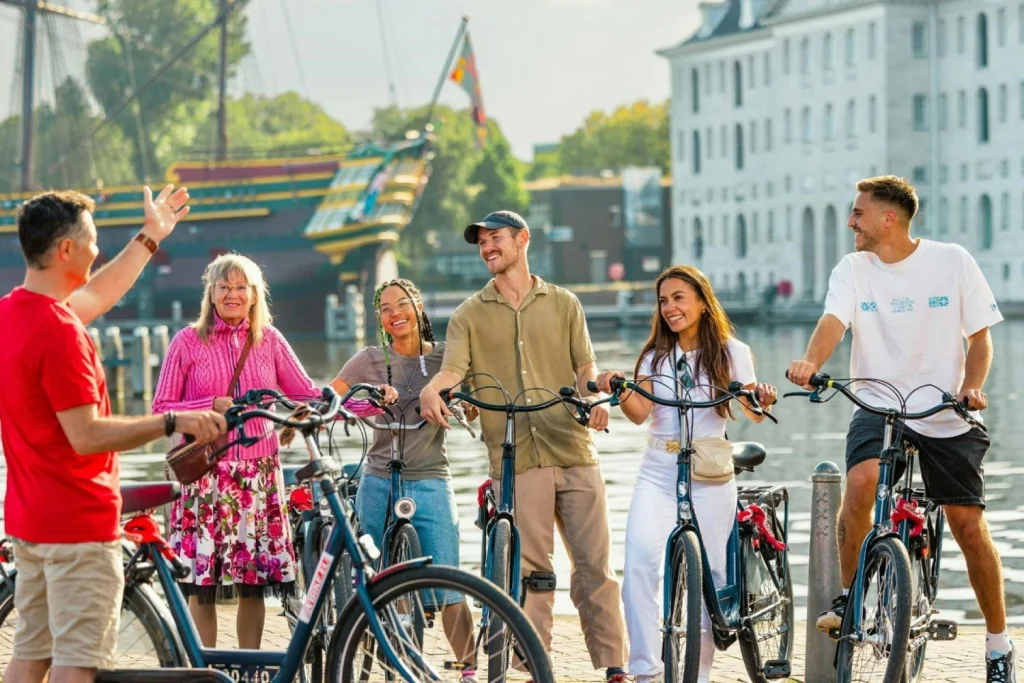
Reading Time: 10 minutesImagine arriving in Tallinn on a beautiful summer morning. The medieval streets are beginning to fill with visitors, cafés are opening their doors, and the city is ready to be explored. You have several days ahead of you and three countries to discover: Estonia, Latvia, and Lithuania. But how should you experience them? One traveler might prefer to meet a local guide, hear the stories behind the historic landmarks, and enjoy a journey where transportation and sightseeing are already arranged. Another might collect a rental car, plan a route through the countryside, and stop wherever something catches their attention. Both travelers can have an unforgettable Baltic holiday. They simply experience the region differently. Choosing between guided and self-drive Baltic tours is not just a question of transportation. It affects how you spend your time, what you discover, how much planning you handle, and the kind of memories you take home. For visitors travelling from the United States or Canada, the decision can be particularly important. When vacation days are limited and the Baltic region is still unfamiliar, choosing the right travel style can make the entire experience more enjoyable. So, should you explore the Baltic States with a guide or take the road-trip approach? Let’s look at what each experience really offers. Why Kaunas Modernist Architecture Earned UNESCO Recognition The Baltic States are compact enough to make a multi-country holiday practical, but each country has its own character. Estonia offers medieval architecture, islands, forests, and a distinctive blend of Nordic and Baltic influences. Latvia combines the architectural elegance of Riga with beautiful countryside and coastal destinations. Lithuania brings together historic cities, castles, cultural heritage, and landscapes that reward a slower journey. You can discover all three independently or with professional guidance. However, the experience changes considerably depending on how you travel. The guided experience With a guided Baltic tour, much of the journey is organized before you arrive. Depending on the package, transportation, sightseeing, local guides, and other arrangements may be included. Instead of spending your morning checking directions or deciding where to park, you can focus on the destination. A knowledgeable guide can introduce the history of a medieval square, explain the significance of a historic monument, or recommend a local experience you might otherwise miss. This approach is especially appealing to travelers who want to understand the region rather than simply move between its most famous attractions. The self-drive experience A self-drive Baltic tour puts you in control of the journey. You decide when to leave, where to stop, and how much time to spend in each location. You might spend an additional afternoon in Riga, take a scenic detour through the Estonian countryside, or change your plans after discovering an interesting coastal village. It is a more independent way to travel, but it also means taking responsibility for navigation, driving, parking, and organizing your daily schedule. Neither approach is automatically better. The real question is which one fits the holiday you want. One Baltic Destination, Two Very Different Days Perhaps the easiest way to understand the difference is to imagine visiting the same destination in two ways. Let’s take a day in Latvia, with Riga and the surrounding region as an example. With a guided tour Your day begins with a planned sightseeing schedule. A local guide introduces you to Riga’s historic centre, explaining the city’s trading history, architecture, and cultural development. As you explore the Old Town, landmarks such as the House of the Black Heads and Riga Cathedral become more than attractive buildings. You learn why they matter and how they fit into the city’s history. Later, your itinerary might take you towards Sigulda or another destination in the Latvian countryside. Transportation is arranged, and you can enjoy the scenery without concentrating on the road. With a self-drive tour Your morning begins whenever you decide. You collect your belongings, check your route, and drive towards Riga’s historic centre or a destination outside the city. You can stop for photographs, spend longer at an attraction, or change direction if you find somewhere interesting. However, you also need to consider parking, navigation, travel time, and whether your next destination has suitable facilities or opening hours. You may discover more independently, but some of the time that could be spent exploring will go towards managing the journey. This is the central difference between the two approaches: a guided tour gives more attention to the experience itself, while self-drive travel gives more control over how the experience unfolds. What You Gain with a Guided Baltic Tour The strongest argument for guided travel is not simply convenience. It is the combination of local knowledge, organized transportation, and a more structured way to discover unfamiliar places. You understand what you are looking at A historic building can be impressive without explanation. However, knowing who built it, what happened there, and why it remains important can completely change your experience. This is particularly relevant in the Baltic States, where history is reflected in architecture, traditions, museums, and everyday city life. A local guide can help connect the different chapters of the region’s past and explain the cultural differences between Estonia, Latvia, and Lithuania. You spend less time organizing the journey Planning a three-country holiday involves several moving parts. You may need to coordinate arrival and departure cities, transportation, accommodation, sightseeing, reservations, and travel distances. If you are unfamiliar with the region, even a relatively simple itinerary can require considerable research. A guided tour brings many of these arrangements together. The exact inclusions depend on the package, but the overall experience can be considerably easier to manage. For North American travelers who have limited vacation time, this can be a major advantage. You can discover places through local perspectives Travel guides and online maps are useful, but they cannot always explain the character of a place. A local guide may introduce you to a traditional food, describe a regional custom, or point out details in a historic neighbourhood that you might walk
Kaunas Modernist Architecture: A UNESCO Walking Tour
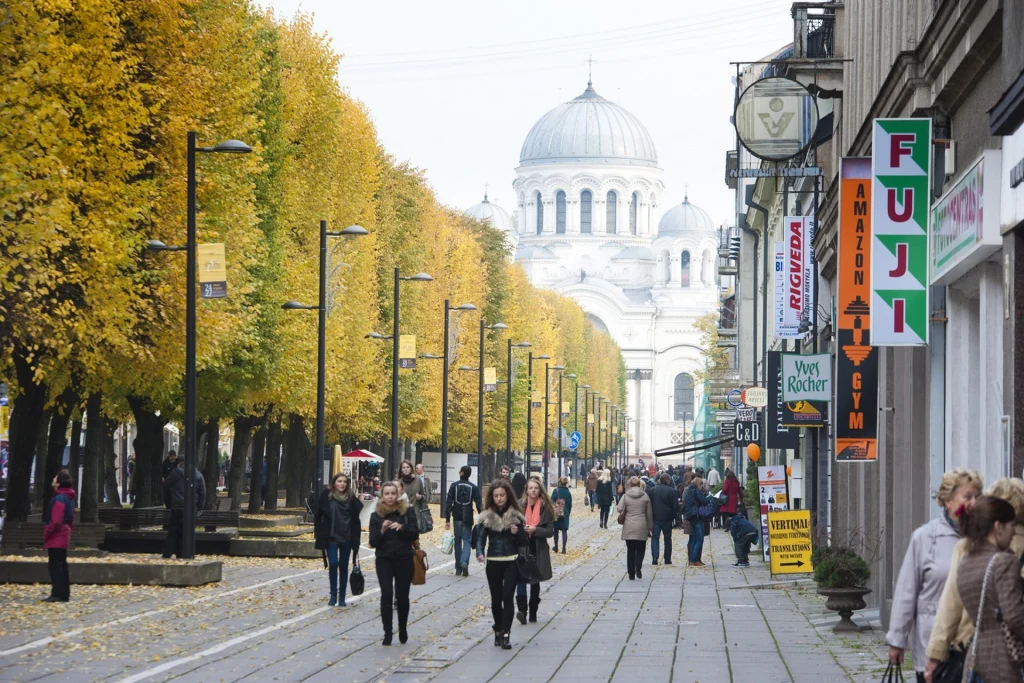
Reading Time: 14 minutesA City That Built Its Future in Architecture Some European cities are best understood through their medieval streets, royal palaces, or ancient fortifications. Kaunas tells a different story. Here, elegant façades, geometric windows, functional layouts, and striking public buildings reveal a period when Lithuania was shaping its identity as an independent European nation. Between 1919 and 1939, Kaunas experienced an extraordinary transformation. After Vilnius became part of Poland during the interwar period, Kaunas served as Lithuania’s provisional capital. Government institutions, businesses, cultural organizations, and diplomatic representatives established themselves in the city. New buildings appeared throughout its expanding neighbourhoods, giving Kaunas a distinctly modern character. Today, this architectural legacy is internationally recognized. In 2023, Modernist Kaunas: Architecture of Optimism, 1919–1939 became a UNESCO World Heritage property. The recognition celebrates more than individual landmarks. It acknowledges an urban landscape shaped by ambition, creativity, and the belief that architecture could express the future of a young nation. For visitors, one of the most rewarding ways to experience this heritage is on foot. A walking tour through central Kaunas reveals how different architectural styles developed alongside one another, how public buildings reflected national aspirations, and how ordinary residential streets became part of a remarkable cultural story. Whether you are an architecture enthusiast, a history lover, or a traveller exploring Lithuania for the first time, Kaunas deserves a place on your Baltic itinerary. Why Kaunas Modernist Architecture Earned UNESCO Recognition To understand the architecture, it helps to understand the circumstances that produced it. Lithuania declared independence in 1918, and Kaunas subsequently became the country’s provisional capital. The city suddenly had to accommodate many of the functions normally associated with a national capital. Government offices, banks, educational institutions, businesses, diplomatic missions, and cultural organizations needed suitable premises. This created an unusual opportunity for architects. Rather than simply expanding an established capital with centuries of monumental architecture, Kaunas was developing a modern urban identity within a relatively short period. Architects brought ideas from across Europe, incorporating contemporary approaches associated with modernism, functionalism, and Art Deco. However, they did not simply reproduce foreign designs. They adapted international influences to local materials, traditions, practical requirements, and Lithuanian cultural identity. The result was an architectural language that feels recognizably modern while retaining its own regional character. UNESCO recognizes the historic urban landscape of Kaunas, particularly parts of Naujamiestis and Žaliakalnis. The property includes public buildings, residential architecture, streets, urban spaces, and other elements that collectively demonstrate the city’s interwar transformation. It is not simply a list of buildings or a single architectural monument. Of approximately 6,000 surviving buildings constructed in Kaunas between 1919 and 1939, around 1,500 significant structures are located within the heritage property. Their different functions and styles demonstrate the scale and variety of the city’s development. The UNESCO designation is therefore about understanding Kaunas as a complete urban environment: its architecture, streets, neighbourhoods, and relationship with the surrounding landscape. For official background, visitors can explore the UNESCO World Heritage Centre’s description of Modernist Kaunas. Before You Start: Planning Your Kaunas Walking Tour A modernist architecture tour is best enjoyed at a comfortable pace. Unlike a visit to a single museum, exploring Kaunas involves looking carefully at building façades, noticing details, and understanding how different architectural styles relate to one another. Most of the central landmarks can be explored on foot, particularly around Naujamiestis, the New Town. A longer route can continue towards Žaliakalnis, where the city’s changing elevation introduces another dimension to the experience. Suggested time: Allow approximately three to four hours for a focused central walking tour. A more relaxed visit that includes interior attractions, museums, and the Church of Christ’s Resurrection may take most of a day. Best time to visit: Late spring through early autumn generally offers comfortable conditions for walking and photographing buildings. Summer provides longer daylight hours, while spring and autumn can offer a quieter atmosphere. What to bring: Comfortable walking shoes, a camera or smartphone, water, and a little time to explore side streets. One important detail: not every building within the UNESCO property is open to visitors. Some remain private residences or working institutions, while others operate with scheduled opening hours or ticketed access. Many architectural highlights can still be appreciated from public streets. Check individual visitor arrangements before planning an interior visit. The official Kaunas Modernist’s Guide is particularly useful for discovering additional buildings and streets beyond the main landmarks. The Walking Tour: Eight Architectural Highlights of Kaunas Stop 1: Kaunas Central Post Office – The Modern Face of a New Capital Location: Laisvės Avenue Begin your exploration at the Kaunas Central Post Office, one of the city’s most recognizable examples of interwar architecture. Designed by architect Feliksas Vizbaras and completed in 1931, the building reflects the confidence of a capital that wanted to present itself as modern, organized, and culturally distinctive. Its exterior combines a disciplined architectural composition with decorative details that give it a strong local identity. Rather than following an entirely international modernist vocabulary, the design incorporates references to Lithuanian artistic traditions. The building is especially interesting because its architecture communicates two ideas at once: the desire to participate in modern European life and the importance of maintaining a recognizable national character. Look closely at the façade and its arrangement of windows. Notice how the building balances decorative features with a practical institutional design. For visitors, this is an excellent introduction to the wider architectural story of Kaunas. It demonstrates that modernism in the city was not simply about removing decoration or adopting a uniform international style. It was also about developing a local interpretation of modern architecture. As you continue along Laisvės Avenue, pay attention to the relationship between the buildings and the pedestrian environment. The avenue is more than a convenient walking route; it is part of the wider urban setting that helps explain the city’s interwar development. Stop 2: Pieno Centras – Architecture and Commercial Ambition Location: Laisvės Avenue The former Pieno Centras building offers another perspective on the development of modern
Estonian Sauna Etiquette: What First-Time Visitors Should Know

Reading Time: 14 minutesImagine spending a day exploring Estonia’s historic streets, forests, or coastline before arriving at a traditional wooden sauna. Outside, the air is cool. Inside, a wood-burning stove gradually warms the room, and the gentle sound of water meeting hot stones signals the beginning of a familiar ritual for many Estonians. For a first-time visitor, however, the experience can bring a few questions. Should you wear a swimsuit? Is it normal to enter without clothing? How hot should the sauna be? Can you pour water onto the stones yourself? And what exactly is the birch whisk that appears in so many descriptions of Estonian sauna culture? These questions are perfectly reasonable. Sauna bathing is an important part of life in Estonia, but its customs may be unfamiliar to travellers from countries where saunas are mainly associated with hotels, gyms, or wellness centres. The good news is that you do not need previous experience to enjoy an Estonian sauna. Understanding a few basic customs, respecting the people sharing the space, and following your host’s instructions will help you feel comfortable. This guide explains what first-time visitors should know, from clothing expectations and traditional rituals to practical etiquette and the differences between modern spa facilities and countryside smoke saunas. Understanding Estonian Sauna Culture In Estonia, a sauna is much more than a heated room. It is a place associated with relaxation, family traditions, social connection, and time away from everyday responsibilities. For generations, sauna bathing has been part of life in Estonian homes and rural communities. Families have traditionally used saunas to unwind, spend time together, and maintain customs passed between generations. The experience can be particularly different from what international visitors expect. Rather than treating the sauna as a quick wellness activity, many Estonians approach it as an occasion that deserves time and attention. A traditional sauna evening may involve several stages: warming up, sitting quietly in the heat, enjoying the steam, cooling down outside, and returning for another session. Conversations may take place naturally, but the atmosphere is often relaxed rather than energetic. The Cultural Importance of the Smoke Sauna One of Estonia’s most distinctive sauna traditions is the smoke sauna, particularly associated with the Võromaa region in southeastern Estonia. Unlike a conventional modern sauna, a traditional smoke sauna is heated using a wood-burning stove without a conventional chimney. Smoke circulates inside the room during the heating process before the sauna is ventilated. The stones retain heat, and the interior develops its characteristic darkened appearance over time. The smoke sauna tradition in Võromaa was added to UNESCO’s Representative List of the Intangible Cultural Heritage of Humanity in 2014. This recognition reflects more than the physical structure of the sauna. The tradition includes the knowledge, customs, community practices, and rituals associated with using and maintaining these spaces. For visitors, experiencing a smoke sauna with a knowledgeable local host can provide a deeper understanding of Estonian culture. It is important, however, to remember that smoke sauna traditions are not identical to the rules of every modern sauna in the country. You can learn more about this cultural heritage through UNESCO’s description of the smoke sauna tradition in Võromaa. What Should You Wear in an Estonian Sauna? This is often the first question international visitors ask, and the answer depends on the type of sauna you are visiting. There is no single dress code that applies to every sauna in Estonia. Private countryside saunas, public facilities, hotel spas, and mixed-gender wellness areas can have different expectations. Traditional Private Saunas In some traditional private sauna settings, bathing without clothing is customary. This can be especially true when the sauna is used by family members or a familiar group. However, visitors should never assume that nudity is compulsory. If you are invited to a private sauna, ask your host what is appropriate. A respectful host will generally be happy to explain the expectations. If you feel more comfortable wearing a swimsuit or covering yourself with a towel, discuss this beforehand rather than feeling pressured to follow a custom you are unfamiliar with. Public Saunas and Hotel Spas Public sauna facilities and hotel wellness areas may have their own rules. Some facilities have separate areas for men and women, while others offer mixed-gender sauna spaces. Swimwear may be required in certain locations, while other facilities may request that guests use towels or follow a different dress policy. Before entering, check the signs or ask a member of staff. Do not assume that the rules of one Estonian sauna will apply to another. Should You Bring a Towel? Yes. A towel is one of the most useful items to have with you. In many sauna settings, visitors sit or lie on a towel or sauna sheet to maintain hygiene and protect the benches from direct contact with the body. Some facilities provide towels, while others expect guests to bring or rent them. Check before your visit. The simplest rule: Wear what the venue permits and what makes you comfortable. Respecting the host’s instructions is more important than trying to imitate someone else’s sauna routine. The Etiquette Rules Every First-Time Visitor Should Know Once you understand the clothing expectations, the rest of sauna etiquette is relatively straightforward. Most customs are based on cleanliness, consideration, and respect for other people. Here are the habits worth remembering. 1. Shower Before Entering Always shower before entering a shared sauna unless your host or facility provides different instructions. This is a basic hygiene practice, particularly in public and hotel spa environments. Rinsing beforehand helps keep the sauna clean and makes the experience more pleasant for everyone. If you have been walking around the city or spending the day outdoors, take a moment to wash away sweat, dust, and other impurities before entering. 2. Sit on a Towel or Sauna Sheet Avoid sitting directly on the wooden benches with your bare skin. Place a towel or sauna sheet underneath you. This is a simple way to maintain cleanliness and protect the seating area.
Where to Stay in Riga: Best Areas for First-Time Visitors

Reading Time: 6 minutesFor a first visit, start your accommodation search in Riga’s Old Town or the nearby central district, Centrs. These are useful bases if you want to spend much of your time sightseeing, eating out and exploring on foot. The best choice depends on how you plan to use your days. Old Town puts historic streets on your doorstep. Centrs offers a broader city experience, while the Quiet Centre appeals to travelers interested in Art Nouveau architecture and a less nightlife-focused setting. Across the Daugava River, Āgenskalns and Ķīpsala offer different surroundings, with additional travel to factor into your plans. This guide explains where to stay in Riga, what each area offers and which details to check before booking. Old Town: Best for a Short First Visit Old Town, or Vecrīga, is a strong choice if you want to step outside and begin sightseeing. Its historic streets, churches, squares and cafés make it particularly appealing for a short stay. By evening, the area also becomes a gathering place for restaurant and bar visitors. The convenience is easy to appreciate: you can return to your room between activities without planning another journey. Choose the property carefully if sleep is a priority. Check recent reviews for comments about nearby venues and ask which direction your room faces. A courtyard-facing room may suit you better than one overlooking an active square, although the hotel should confirm the actual conditions. Cobbled streets can also affect the final approach with a suitcase or stroller. Ask about vehicle drop-off and entrance access before booking. Choose Old Town if: historic surroundings and easy returns to your accommodation matter most. Centre: Best for a Flexible City Base Centrs is worth considering when you want to combine Old Town sightseeing with parks, shopping streets and time elsewhere in central Riga. For a starting search area, look around Vērmanes Garden and then compare exact addresses against your itinerary. The park provides benches, a playground and space for a break between activities. The main booking issue is scale. A property described as “Riga city centre” may be close to your chosen sights or considerably farther away. Map the walk to the places you expect to visit most often, including where you plan to have dinner. Centrs can work well for several nights because it gives you a central base without requiring every day to revolve around the medieval streets. However, traffic-facing rooms and nearby venues still deserve attention. Choose Centrs if: you want a balance of sightseeing access and a wider city setting. Quiet Centre: Best for Art Nouveau and Calmer Evenings The Quiet Centre, or Klusais centrs, is associated with Riga’s Art Nouveau architecture, particularly around Alberta iela and nearby streets. LiveRiga identifies this area as a principal concentration of the city’s ornate early twentieth-century buildings. It is an appealing option if architecture walks are part of your plans or you prefer to return to accommodation away from the busiest Old Town evening venues. The name is a guide to the area’s character, rather than a promise about every room. Check for traffic, construction and nearby businesses just as you would elsewhere. Walking access depends on the address. Compare your route to Old Town, especially if you expect to make the journey several times a day or prefer shorter walks. For more background on the streets around your accommodation, read our guide to Art Nouveau in Riga. Choose the Quiet Centre if: architecture and a calmer central setting are priorities. Central Station and Market Area: Best for Transport Connections Accommodation near Riga Central Station or the International Bus Station can be practical when you have an early departure, a late arrival or several journeys planned during your stay. The International Bus Station is next to Riga Central Market and a short walk from Old Town, according to the city’s official tourism information. This makes the surrounding area useful for travelers continuing between the Baltic capitals. Look beyond a listing’s “near the station” description. Check which station it means, where the entrance is and how you will reach it with luggage. Road crossings and the final approach can matter more than a short straight-line distance. Compare accommodation here with properties toward the Old Town edge or nearby Centrs. You may be able to keep convenient transport access while finding a room that better matches your preferred surroundings. Choose this area if: rail or coach access is an important part of your itinerary. Āgenskalns: Best for Markets and a Neighborhood Stay Āgenskalns lies on the left bank of the Daugava. Its market is a useful focal point, bringing together local produce, food stalls and places to eat within a restored historic pavilion. A stay here can suit travelers who want their visit to include everyday neighborhood life as well as the main sights. Nearby Kalnciema Quarter adds another reason to explore this side of the river, with its market and wooden architectural setting. Check the property’s nearest stop and the journey to your planned activities. Being in Āgenskalns does not mean every attraction across the river is equally convenient. For a first visit lasting only a night or two, weigh the setting against the extra journeys. For a longer stay, you may welcome having a different part of Riga around your accommodation. Choose Āgenskalns if: markets and neighborhood exploration are part of the experience you want. Ķīpsala: Best for Riverside Surroundings Ķīpsala is an island in the Daugava, connected to central Riga by Vanšu Bridge. Its public waterfront areas offer views toward the city, while the island combines residential and academic surroundings. Consider it if the river setting is a meaningful part of your accommodation choice. Remember that a property on the island does not automatically include a river-view room; confirm the room category before paying for that expectation. Map your route to Old Town and check nearby bus or trolleybus options. Think about the return journey as well as the morning departure, particularly if you plan several late evenings in the
Where to Stay in Tallinn: 7 Best Areas and Neighborhoods for Every Type of Traveler
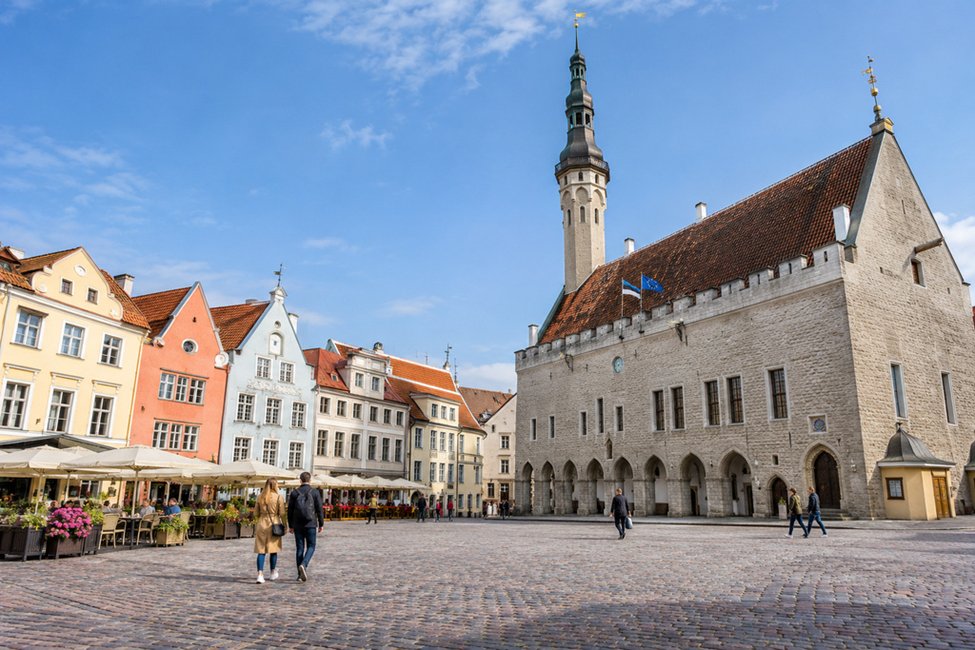
Reading Time: 13 minutesPlanning a trip to Estonia? One of the first decisions worth making is where to stay in Tallinn. Although the Estonian capital is relatively compact, its neighborhoods offer very different experiences. You can wake up surrounded by medieval architecture in Old Town, spend your evenings exploring independent cafés in Kalamaja, or enjoy a quieter atmosphere near the parks and waterfront. Choosing the right neighborhood can make your visit more comfortable, especially if you are traveling from the United States or Canada and have limited time to explore the city. The good news is that Tallinn offers accommodation options for different travel styles, from historic boutique properties and modern city hotels to apartments in residential neighborhoods. The challenge is deciding which location best matches your plans. In this guide, we explore seven of the best areas to stay in Tallinn, what makes each neighborhood special, and which types of travelers may enjoy them most. Whether this is your first European vacation or another stop on a Baltic adventure, you will have a clearer idea of where to begin your search. Quick Comparison: Best Areas to Stay in Tallinn Before looking at each neighborhood in detail, it helps to understand what makes them different. Neighborhood Best For General Atmosphere Tallinn Old Town First-time visitors and history lovers Medieval and lively Rotermann Quarter Convenience and modern accommodation Contemporary and central Kalamaja Local experiences and relaxed stays Creative and residential Telliskivi Restaurants, art and nightlife Trendy and energetic Kadriorg Families and quieter vacations Green and peaceful Noblessner Waterfront experiences and dining Modern and maritime Pirita Beaches and outdoor activities Coastal and relaxed If you are visiting Tallinn for the first time and want to explore its main attractions without spending too much time traveling, Old Town and Rotermann are excellent starting points. Travelers who prefer a neighborhood atmosphere may find Kalamaja more appealing, while Kadriorg and Pirita offer a different pace. 1. Tallinn Old Town (Vanalinn): Best for First-Time Visitors For many travelers, Tallinn Old Town is the natural starting point when deciding where to stay in the city. Known locally as Vanalinn, this historic district is famous for its medieval streets, preserved architecture, churches, towers and picturesque squares. The Historic Centre of Tallinn is recognized as a UNESCO World Heritage Site. Its history dates back to the medieval trading period, and much of its architectural character remains remarkably well preserved. Staying here allows visitors to experience the city’s historic atmosphere from the moment they leave their accommodation. What Makes Old Town Special? Old Town is home to some of Tallinn’s most recognizable attractions, including: Town Hall Square (Raekoja plats), the historic heart of the district. Toompea Hill, known for its panoramic views across the city. Alexander Nevsky Cathedral, an impressive Orthodox landmark. Olaf’s Church, one of the city’s distinctive historic buildings. Medieval city walls and defensive towers. Historic cafés, restaurants and small independent shops. One of the biggest advantages of staying in this neighborhood is convenience. Many major sightseeing attractions are within walking distance, making it possible to explore much of the historic centre without relying on public transportation. The area is particularly enjoyable for couples, photographers and travelers interested in European history and architecture. Accommodation and Atmosphere Accommodation in Old Town ranges from boutique properties in historic buildings to comfortable guesthouses and modernized hotels. Some properties occupy centuries-old buildings, giving guests an opportunity to experience the city’s architectural character beyond its museums and public squares. However, historic accommodation can come with practical considerations. Rooms and layouts may vary, some buildings have stairs rather than convenient elevator access, and cobblestone streets can make handling heavy luggage less comfortable. Things to Consider Before Booking Old Town is one of Tallinn’s busiest visitor areas, particularly during the summer travel season. Restaurants, bars and popular squares can become lively in the evenings. If you prefer quiet surroundings, check accommodation reviews for comments about street noise and ask whether your room faces a busy street. Best for: First-time visitors, couples, history enthusiasts, photographers and travelers planning a short city break. 2. Rotermann Quarter: Best for Modern Hotels and Convenience If you enjoy contemporary architecture, restaurants and easy access to major attractions, the Rotermann Quarter is another excellent place to consider. Located between Tallinn’s Old Town and its harbour area, Rotermann offers a noticeably different atmosphere from the medieval centre. The neighborhood was once associated with industrial activity. Today, its restored industrial buildings, modern architecture, restaurants and shopping spaces have transformed it into one of the city’s most recognizable contemporary districts. Why Choose Rotermann? One of the biggest advantages of staying in Rotermann is its location. Visitors can explore the historic Old Town while also enjoying the conveniences of a modern city district. Restaurants, cafés, shopping areas and transport connections are easily accessible. The neighborhood is particularly suitable for travelers who want to balance sightseeing with comfortable accommodation and dining options. It can also be a practical base for people visiting Tallinn for business or attending events in the city. Things to Explore Nearby While staying in Rotermann, consider visiting: Rotermann’s restored industrial architecture. Viru Keskus shopping centre. The nearby Tallinn Old Town. Restaurants and cafés throughout the district. The harbour area and surrounding waterfront spaces. The district is also convenient for travelers planning to arrive or depart by ferry, depending on their terminal and accommodation location. What Should You Consider? Rotermann offers a modern urban experience rather than the traditional medieval atmosphere associated with Tallinn. The wider city centre also covers a larger area than visitors sometimes expect. Before booking, check the exact location of the property rather than assuming every city-centre accommodation option is equally close to Old Town. Best for: First-time visitors who prefer modern accommodation, couples, business travelers, shoppers and visitors who value convenient connections. 3. Kalamaja: Best for Local Experiences and Longer Stays Travelers who want to experience a more residential side of Tallinn should consider Kalamaja. Located northwest of the historic centre, Kalamaja is known for its colorful wooden houses, independent
Helsinki to Tallinn Ferry: How to Plan Your Trip

Reading Time: 15 minutesPlanning a trip from Helsinki to Tallinn? One of the easiest and most enjoyable ways to travel between Finland and Estonia is by ferry. The journey across the Gulf of Finland is relatively short, with several daily sailings connecting the two capitals. For visitors exploring Northern Europe, this ferry crossing offers an excellent opportunity to experience two countries during the same holiday. You can spend a few days discovering Helsinki’s waterfront, design districts and Nordic culture before heading across the Baltic Sea to explore Tallinn’s medieval streets, historic landmarks and charming Old Town. However, planning the journey involves more than simply purchasing a ferry ticket. You need to choose the right ferry operator, understand the departure and arrival terminals, check travel documents, arrive at the port on time and decide whether Tallinn is worth visiting as a day trip or an overnight destination. This guide explains everything you need to know about travelling from Helsinki to Tallinn by ferry, including operators, journey times, terminals, ticket booking, onboard facilities and what to do after arriving in Estonia. Whether you are visiting from the United States, Canada or another international destination, these practical tips will help you plan a smoother journey. 1. Helsinki to Tallinn Ferry: Quick Overview The Helsinki–Tallinn ferry route connects Finland and Estonia across the Gulf of Finland. Several passenger ferries operate throughout the year, offering different departure times and onboard experiences. Here is a quick overview: Travel detail Information Departure city Helsinki, Finland Arrival city Tallinn, Estonia Sea route Gulf of Finland Approximate crossing time 2–2.5 hours, depending on operator and sailing Main operators Tallink Silja Line, Eckerö Line and Viking Line Helsinki departure terminals West Terminal 2 and Katajanokka Tallinn arrival terminals Terminal A and Terminal D Ticket options One-way and return journeys. Day trips possible? Yes Vehicle transport Available on selected sailings The crossing is short enough to make a day trip possible, but there is also plenty to see in Tallinn if you decide to stay overnight. One important point: not every ferry uses the same terminal. Always check the terminal printed on your booking confirmation before leaving for the harbour. 2. Which Ferry Companies Operate Between Helsinki and Tallinn? Three main ferry companies operate regular passenger services between Helsinki and Tallinn: Tallink Silja Line, Eckerö Line and Viking Line. Each offers a slightly different onboard experience and departure schedule. Your best option will depend on your travel date, preferred departure time, ticket price and terminal location. Tallink Silja Line Tallink Silja Line is one of the major operators on the Helsinki–Tallinn route. Its ships include MyStar and Megastar, which provide regular passenger services across the Gulf of Finland. The crossing on these vessels generally takes around two hours. Tallink’s Helsinki departures use West Terminal 2, while its Tallinn services arrive at Terminal D. Onboard, passengers can generally find: Restaurants and cafés. Shops and shopping areas. Seating and lounge spaces. Passenger facilities. Views across the Baltic Sea. Tallink is worth considering if you want frequent departures and a straightforward connection between the two city centres. Official website: https://www.tallink.com/ Eckerö Line Eckerö Line operates the MS Finlandia on the Helsinki–Tallinn route. Its published timetable includes regular daily departures, with a typical crossing time of approximately two hours and 15 minutes. The ferry departs from Helsinki West Terminal 2 and arrives at Tallinn’s Old City Harbour Terminal A. Passengers can enjoy restaurants, cafés, shopping and comfortable seating during the journey. Eckerö Line can be a useful option for travelers whose preferred departure or return time matches its timetable. Official website: https://www.eckeroline.com/ Viking Line Viking Line operates the Viking XPRS between Helsinki and Tallinn. Unlike Tallink and Eckerö Line, Viking Line’s Helsinki departures use Katajanokka Terminal. Its Tallinn services arrive at Terminal A. The crossing generally takes around two hours and 30 minutes, although the scheduled journey can vary. Onboard facilities include dining options, passenger seating and shopping opportunities. Viking Line is worth comparing if you are staying near Katajanokka or prefer one of its available departure times. Official website: https://www.sales.vikingline.com/ 1. Which Ferry Operator Should You Choose? There is no single best operator for every traveler. Compare the departure times, terminal locations, ticket conditions and total fare for your intended travel date. Operator Helsinki terminal Tallinn terminal Typical crossing Tallink Silja Line West Terminal 2 Terminal D Around 2 hours Eckerö Line West Terminal 2 Terminal A Around 2 hours 15 minutes Viking Line Katajanokka Terminal A Around 2 hours 30 minutes If you are staying in central Helsinki, consider how easily you can reach the departure terminal. A slightly cheaper ticket may not be the most convenient choice if it involves additional travel across the city. 2. How Long Is the Ferry from Helsinki to Tallinn? The ferry journey from Helsinki to Tallinn generally takes between two and two-and-a-half hours. The exact duration depends on the operator, vessel, departure and operating conditions. For example: Tallink’s MyStar and Megastar services generally take around two hours. Eckerö Line’s MS Finlandia takes approximately two hours and 15 minutes. Viking Line’s Viking XPRS generally takes around two hours and 30 minutes. These are typical journey durations, not guaranteed arrival times. Always check the timetable for your selected sailing. 3. How Often Do Ferries Operate? There are multiple daily departures between the two capitals. The number and timing of sailings can vary depending on the day of the week, season, public holidays and operator schedules. During popular travel periods, having several departure options makes it easier to plan a day trip or a longer stay in Tallinn. However, do not assume that the same departure times will be available every day. Check the operator’s official timetable before arranging other activities.Is the Ferry Journey Comfortable? For most travelers, the crossing is a comfortable way to travel between the countries. You can spend the journey relaxing in passenger seating, enjoying a meal, browsing onboard shops or watching the Baltic Sea through the windows. If you are sensitive to motion, consider bringing any
Riga to Vilnius: Best Ways to Travel & Places to Stop
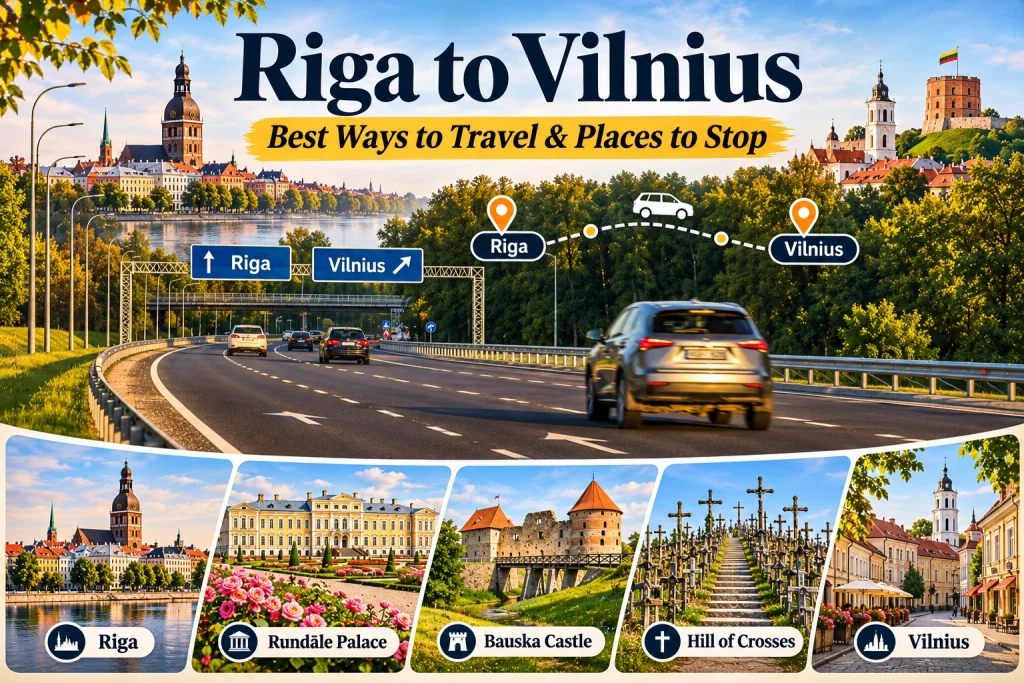
Reading Time: 7 minutesPlanning your journey from Riga to Vilnius starts with one decision: do you want to travel directly, or spend the day seeing more of Latvia and Lithuania? A direct coach is a practical starting point for comparing fares and departure times. The daily direct train offers another straightforward option, while a rental car or sightseeing transfer gives you the freedom to visit places between the capitals. Flights can also work when they fit your wider travel plans. This guide explains how to get from Riga to Vilnius, what to consider before booking and which stops deserve extra time. Riga to Vilnius by Bus A Riga to Vilnius bus is a convenient choice when you want a direct journey without arranging a vehicle. FlixBus and Lux Express operate on this route, so compare departures for your actual travel date. For FlixBus, the main stations listed are Riga Bus Station at Prāgas iela 1 and Vilnius Bus Station at Sodų g. 22. Other Vilnius stops are also listed, making it important to check the destination printed on your ticket. Before booking, compare the baggage allowance, refund conditions and arrival location alongside the price. A slightly more expensive departure may be better value if it saves a taxi journey or fits your hotel check-in time. Scheduled coaches provide transport between stops. Do not expect time to visit nearby attractions unless you have booked separate journeys and planned the local connections. Riga to Vilnius by Train There is a daily direct Riga to Vilnius train operated by LTG Link. You do not need to change trains on this service. Tickets are available through the operator’s website and mobile app. Rail is worth considering if you prefer traveling by train and the departure fits your day. However, check the timetable for your precise date: LTG Link notes that schedules can change during the year, and published journey times differ between its general route page and the November timetable. Book ahead rather than relying on buying a ticket on board. LTG Link warns that seats on this international route can sell out in advance. The train is useful for reaching Vilnius directly. Visiting attractions outside the railway stations requires a separate transport plan; the service is not a sightseeing excursion. Driving from Riga to Vilnius Driving from Riga to Vilnius makes sense when you want control over your departure time and stops. Before reserving a car, map both the direct journey and your preferred sightseeing route. They may involve different roads and substantially different driving times. A route through Bauska and Panevėžys is different from a detour toward Šiauliai for the Hill of Crosses. Adding Kaunas changes the itinerary again. Decide which places matter most before choosing accommodation or promising yourself an early arrival. Ask the rental company to confirm: Permission to take the vehicle from Latvia into Lithuania. Whether it accepts a return in Vilnius. The international one-way charge. Insurance and roadside-assistance coverage. Deposit, mileage and fuel conditions. Compare the complete rental cost with public transport for everyone traveling. For a city-only trip, collecting, parking and returning a car may add work without improving the journey. Private Transfers and Sightseeing Transfers A Riga to Vilnius private transfer can be useful for families, friends or travelers carrying several bags. Request a quote based on your actual passenger numbers, luggage and addresses. Confirm whether the booking includes only transport or also sightseeing stops. If you want to visit a palace or museum, agree on the time allowed before paying. Waiting time and attraction tickets may affect the total price. A sightseeing transfer is better suited to travelers who want the journey itself to be part of the holiday. Compare the itinerary carefully: different operators visit different combinations of attractions, and a list of stops does not tell you how much time you will have at each one. Ask whether the experience includes a guide, an independent visit or simply a photo stop. These offer quite different ways to see the same destination. Riga to Vilnius Flights AirBaltic offers flights between Riga and Vilnius. Use the airline’s booking system to check availability and fares for your dates. Compare the whole journey rather than the flight alone. Include getting to Riga Airport, the airline’s check-in requirements, security, baggage collection and onward transport in Vilnius. Flying may fit well if you are already connecting through Riga Airport. When starting from accommodation in central Riga, compare the full door-to-door journey with a coach or train before deciding. Best Places to Stop Between Riga and Vilnius The most rewarding stops depend on how much time you have and which route you choose. Treat the following places as options to build around, rather than a checklist to complete in one day. Bauska Castle Bauska Castle combines an older Livonian Order fortress with a later residence. It is a useful choice for travelers interested in the region’s military history and architecture. Allow time for the type of visit you want. Seeing the exterior and grounds is a different commitment from exploring exhibitions. Check current access and opening arrangements before setting your departure time from Riga. If you also plan to visit Rundāle Palace, decide which deserves the longer visit so that the morning does not become rushed. Rundāle Palace Rundāle Palace is a strong choice for travelers interested in historic interiors, decorative art and gardens. Its public rooms include the Gilt Hall, White Hall and Great Gallery. This is a place to give yourself time rather than squeeze into a quick roadside break. As a planning allowance, leave a couple of hours or more if you want to explore both the palace and grounds. Check the palace’s official visiting hours before departure. Museum and garden schedules vary by season, and last admission is earlier than closing time. Our Rundāle Palace travel guide provides more background on the estate and its main attractions. Hill of Crosses The Hill of Crosses near Šiauliai is a place of pilgrimage and a symbol of Lithuanian faith and
Riga to Tallinn: Best Ways to Travel & Places to Stop

Reading Time: 11 minutesTraveling from Riga to Tallinn is one of the easiest ways to explore two of the Baltic region’s most fascinating capitals. Whether you’re planning a short city break or a longer journey through Latvia and Estonia, there are several ways to make the trip, each offering a different experience. The journey covers approximately 300–320 kilometers (185–200 miles) by road. Direct buses are usually the most affordable and convenient option, while trains offer an alternative for travelers who prefer rail. Renting a car gives you the freedom to discover coastal towns, scenic beaches, and smaller destinations that many visitors miss. If you’re wondering how to get from Riga to Tallinn, this guide compares travel times, transportation costs, and the best places to stop along the way. Riga to Tallinn: Travel Options at a Glance Choosing the best way to travel from Riga to Tallinn depends on your budget, schedule, and whether you want to include sightseeing. Here’s a quick comparison of the main transportation options. Transportation Approximate Travel Time Indicative Cost Best For Bus 4 hours 15 minutes–5 hours From around €8 on selected FlixBus services Budget travelers Direct train Around 6–6½ hours €29 online with Elron Travelers who prefer rail Rental car 4–5 hours without sightseeing Rental, fuel, parking and potential one-way fees Road trips and flexible travel Private transfer 4–5 hours, depending on pickup and traffic Quoted per vehicle Families and private groups Sightseeing transfer Most of the day, depending on stops Varies by itinerary Travelers combining transport with sightseeing Flight Around 50 minutes in the air From €45 on selected airBaltic dates Travelers with convenient flight connections Prices are indicative, based on advertised fares checked in November 2026. Availability, baggage fees, schedules, and rental charges can change. Always confirm the total cost before booking. Our recommendation: Take the bus if affordability and convenience matter most. Choose a rental car or sightseeing transfer if you want to turn the journey into a memorable part of your Baltic vacation. Riga to Tallinn by Bus: Best for Budget Travelers Taking a Riga to Tallinn bus is one of the most practical ways to travel between the two capitals. Direct services are available throughout the day, making it easy to choose a departure that fits your itinerary. Two established operators serve this route: Lux Express: Offers scheduled intercity services between Riga and Tallinn, with comfortable seating and onboard facilities on many departures. FlixBus: Provides direct connections with different departure times and ticket prices, making it a useful option for budget-conscious travelers. How Long Does the Bus Take? Most direct buses complete the journey in approximately 4 hours and 15 minutes to 5 hours, depending on the operator, traffic, and scheduled stops. The main bus stations are: Riga International Bus Station: Prāgas iela 1, Riga, Latvia. Tallinn Bus Station: Lastekodu 46, Tallinn, Estonia. Some services use additional departure or arrival points, including airport and harbor connections. Always check the exact locations printed on your ticket. How Much Does the Bus Cost? Bus fares vary according to departure time, travel date, demand, and booking conditions. FlixBus advertises promotional starting fares from around €8, although the price available for your journey may be higher. Compare current schedules and ticket prices on Lux Express and FlixBus. Booking ahead can give you more choice, particularly during summer weekends and popular travel periods. Travel tip: Before booking, check baggage allowances, cancellation policies, and how far your arrival stop is from your hotel. A slightly more expensive departure may save you time and additional transportation costs. Riga to Tallinn by Train: A Comfortable Rail Alternative If you enjoy traveling by train, you can now take a direct Riga to Tallinn rail service without changing trains along the way. Operated by Elron, the direct route connects Riga with Tallinn through inland destinations including Valga and Tartu. The journey generally takes around 6 to 6½ hours, depending on the timetable and railway works. Some alternative rail connections still require a transfer at Valga. Booking Your Riga to Tallinn Train Elron lists an online fare of €29 for the direct journey between Riga and Tallinn. Tickets purchased onboard cost more. You can find tickets and schedules through the Elron official website. When searching for tickets, remember that Riga may appear as Riia, its Estonian name. Train travel offers a relaxed alternative to driving, with opportunities to enjoy the countryside along the route. However, it follows an inland railway corridor rather than the coastal road through Pärnu. Travel tip: Confirm your departure and arrival times before booking hotels or onward connections. Railway schedules can change, particularly during maintenance work. Latvia’s Vivi international routes page also provides timetable updates. Driving from Riga to Tallinn: Best for a Baltic Road Trip Driving from Riga to Tallinn is an excellent choice if you prefer exploring at your own pace. The journey follows the Via Baltica (E67) corridor, passing through the Latvian countryside and into Estonia via the Pärnu region. Without major stops, the drive generally takes 4–5 hours. However, setting aside most of the day allows you to enjoy the coastal scenery, stop for lunch, and explore smaller towns along the route. Why Choose a Rental Car? A rental car offers several advantages: Freedom to choose departure and arrival times. Opportunities to visit coastal towns and natural attractions. Flexibility to make spontaneous sightseeing stops. More control over luggage and travel arrangements. The option to extend your trip across all three Baltic countries. For travelers planning a longer vacation, driving also makes it easier to connect Riga and Tallinn with destinations such as Vilnius. What Should You Check Before Renting? Before booking a vehicle, confirm: Whether cross-border driving between Latvia and Estonia is permitted. Any one-way rental or international drop-off charges. Insurance coverage and roadside assistance. Fuel policies, deposits, and additional-driver fees. Parking arrangements at your accommodation. Rental charges can vary considerably, so compare the complete cost instead of choosing a vehicle based only on its advertised daily rate. For inspiration, explore the Express Tour of
