


Is Riga Safe for Tourists? Honest Answer + Scams to Avoid
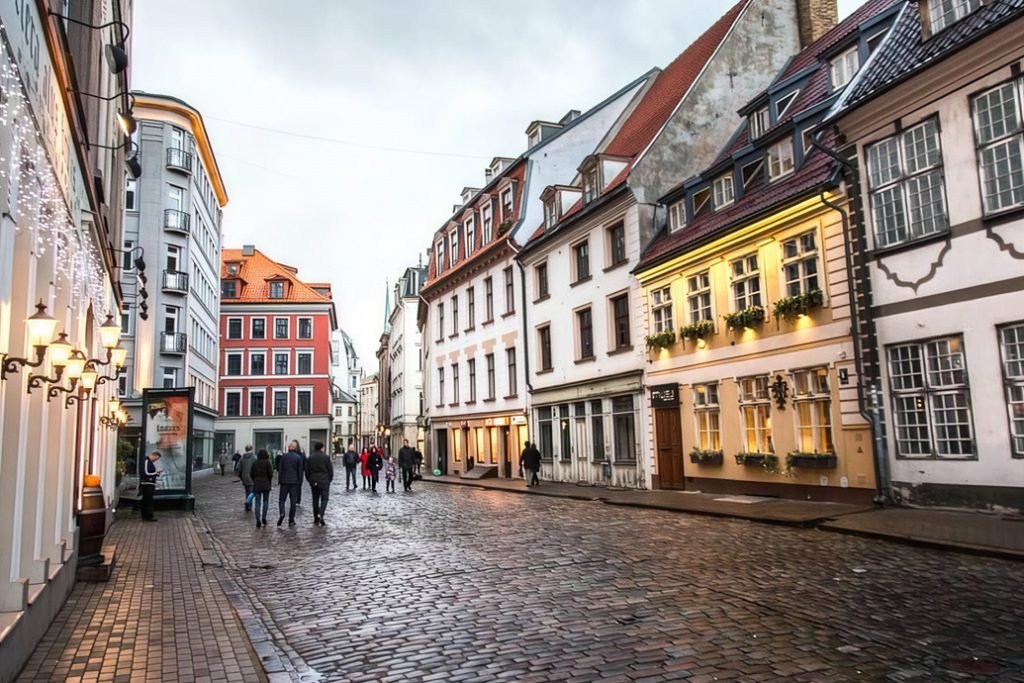
Reading Time: 5 minutesIs Riga safe for tourists? Yes. Riga is a safe, walkable European capital with low violent crime. Your main risk is not a violent attack. It is being pickpocketed in a crowd, overcharged in a bar, or caught out late at night near the stations. Those risks are concentrated in a few places and largely preventable. Latvia is listed by the U.S. Department of State at Level 1: Exercise Normal Precautions. UK Foreign, Commonwealth and Development Office (FCDO) advice gives the same picture: petty crime is the issue to plan for. Read More: Discover Tallinn’s Spectacular Alexander Riga safety at a glance Question Short answer Safe during the day? Yes. Central areas are busy, well lit, and easy to explore on foot. Safe at night? Generally yes in Old Town and Centrs. Take extra care near stations and in unlit parks after midnight. Biggest tourist risk? Pickpocketing, plus bar and taxi overcharging. Solo female travel? Widely reported as comfortable in central areas, with normal city awareness. Emergency number? 112 for police, fire, and ambulance across Latvia. What feels safe, and what needs awareness By day, Vecriga (Riga Old Town), the Art Nouveau district around Alberta Street, and the central boulevards feel calm and orderly. Families use the parks, trams are busy, and most visitors explore the center without any problem. After dark, the mood changes around busy bars, the central stations, and nearby underpasses. Alcohol is the common factor in most late-night incidents involving tourists. The other underrated risk is ice: from December to March, a fall on frozen cobblestones is more likely than a confrontation, so wear shoes with grip. Read More: Baltic Bliss: Luxury Lithuania Tours Book Your Latvia Tour Now! Where risk concentrates Risk clusters where crowds, cash, and distraction meet. Official sources name the same hotspots repeatedly. Place Main risk Simple fix Old Town (Vecriga) Pickpockets, inflated bar bills Keep your bag zipped and in front of you. Check prices before ordering. Central Market Pickpockets in crowded halls Carry only what you need. Keep your phone out of back pockets. Station and bus station area Bag snatching, distraction theft Stay alert, especially at night. Never leave bags unattended. Unlit parks and streets Opportunistic theft at night Stick to lit, busier routes after midnight. Do not skip these places. The Central Market, in former Zeppelin hangars, is one of Riga’s best experiences. Go in the morning and secure your valuables. 7 scams to avoid in Riga 1. The friendly stranger who picks your bar A stranger invites you to their favorite bar nearby. Drinks arrive without clear prices and the bill is inflated. Choose your own venue from reviews or a hotel recommendation, never follow a tout inside, and leave any bar with no priced menu. 2. Unpriced drinks and card overcharging A vague menu, suggested extras, and a surprise total. Some visitors are asked to re-enter a PIN or pay out of sight. UK advice is specific: keep card payments in your presence. Photograph menu prices, pay as you go, and check the terminal amount first. 3. Taxi overcharging at the airport and stations An unmarked driver quotes a vague fare, then charges far more. Use Bolt, standard in Riga, or a licensed taxi on the meter. In the app, price and route are recorded, so refuse cash-only quotes. 4. Pickpocket teams in crowds One person distracts you, by bumping or stopping suddenly at a tram door, while another takes your phone or wallet. Use a zipped cross-body bag, keep your phone in an inside pocket, and be most alert in crowds. 5. ATM and currency exchange tricks Standalone ATMs and exchange kiosks can offer poor rates. Use ATMs at banks such as Swedbank, SEB, or Citadele, always choose euros over your home currency, cover your PIN, and check the card slot. 6. Fake or overpriced tours An unofficial guide offers an instant, expensive tour with thin content. Book via your hotel, the visitor center, or a reviewed operator with a fixed price. No name or reviews means walk away. 7. The transport fine that feels like a scam This one is legitimate. Validate your ticket on trams, buses, and trolleybuses. Inspectors are strict and fines apply. Keep proof until you get off. Nightlife, drink safety, and laws visitors miss Most Riga bars are honest. Three rules protect you: never leave a drink unattended, do not accept drinks from strangers, and set a spending limit first. UK advice notes reported drink spiking in Riga, so keep your drink with you. Two laws surprise visitors. Drinking alcohol in public is illegal and can lead to a fine. Illegal drugs, including cannabis in any amount, carry severe penalties. Carry a passport copy and leave the original in a hotel safe. Read More: Klaipeda: Where Baltic Beauty Meets Exciting History Trending Adventure Tour Vacation Package : ADVENTURE TOUR OF THE BALTICS Book Your Latvia Tour Now! Where to stay: a simple decision Choose Old Town for sights on foot, accepting late-night noise. Choose Centrs and the Art Nouveau district for quieter streets and good cafes. Choose Agenskalns, across the Daugava, for a local feel. Anywhere, a well-reviewed property on a lit street beats a cheap, isolated rental. If something goes wrong Call 112 in an emergency and ask for an interpreter if you need one. Cancel cards in your banking app first, then report theft to police for your insurance claim. For a lost passport, contact your embassy or consulate and keep the police report. For a disputed bar charge, note the venue, time, and amount, keep the itemized bill, and dispute it through your card provider. For suspected drink spiking, get medical help first, then report it as soon as you can. Read More: Jurmala’s Spectacular Shores: Your Ultimate Baltic Escape Trending New Year Vacation Package : New Years in Riga December 4 Days / 3 Nights Book Your Latvia Tour Now! Frequently Asked Questions Is Riga safe for solo female travelers? Yes, central Riga is generally
Tallinn Christmas Market: Complete Visitor Guide
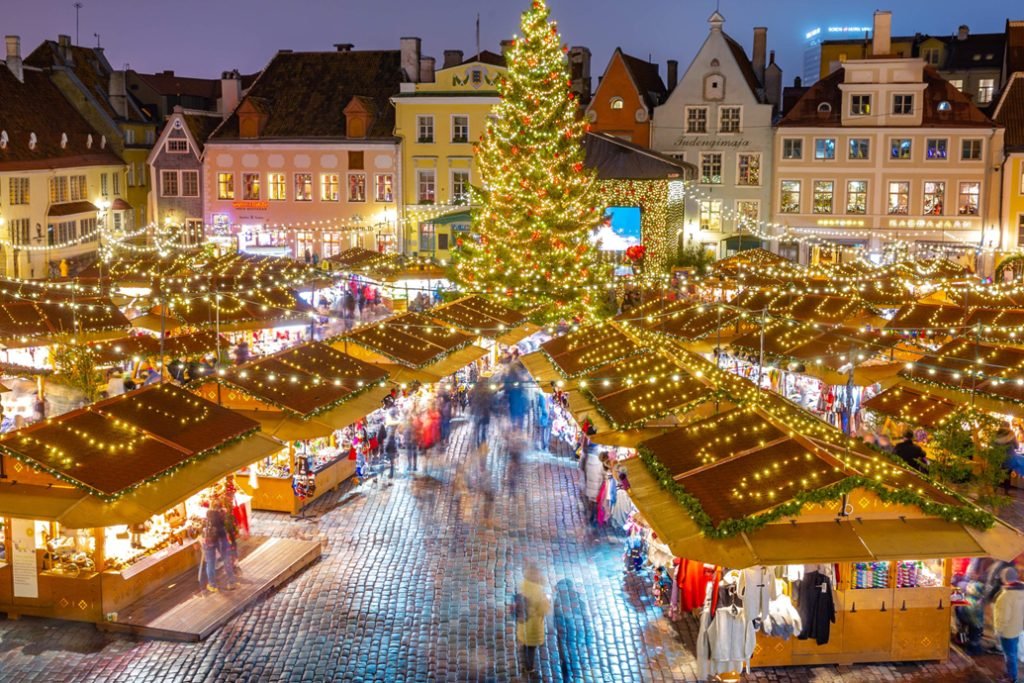
Reading Time: 5 minutesTallinn Christmas Market is a small, free market on Town Hall Square (Raekoja plats) in Tallinn’s UNESCO-listed Old Town. For 2026 it runs from 20 November 2026 to 6 January 2027, daily from 10:00 to 20:00, with hot drinks later. Go at dusk, allow two to three hours, and build a winter weekend around it. Its strength is setting: a towering spruce, wooden stalls, the Gothic Town Hall, and cobbled lanes lit against a sky already dark by mid-afternoon in December. Read More: What to Pack for a Baltic States Tour Tallinn Christmas Market at a glance Detail What to know Dates 2026-27 20 November 2026 to 6 January 2027 Location Town Hall Square (Raekoja plats), Old Town Hours Stalls 10:00-20:00 daily. Hot drinks until 22:00, 23:00 Friday and Saturday Entry Free. Pay only for food, drinks, and gifts Tree tradition A public tree was recorded here in 1441, claimed as one of Europe’s first Best time Weekday late afternoon into evening, for lights with smaller crowds Time needed 2-3 hours for the market, 2 days for a good winter trip Why this market feels different Tallinn was voted Best Christmas Market in Europe by European Best Destinations in 2019, but scale is the real point. You can walk the square in minutes, return to a favorite stall, and feel you are in a real city center, not a theme park. Two traditions give it depth. The tree is linked to the Brotherhood of Blackheads, said to have erected one here in 1441. Riga claims a rival first tree in 1510. More moving is Christmas Peace, proclaimed by the mayor from a Town Hall window at noon on 24 December, a custom rooted in the 17th century. What to do at the market Start with a slow circuit and a hot drink. The Town Hall, completed in 1404, is northern Europe’s oldest surviving Gothic town hall. Visit Santa’s house, where Santa typically meets children from about 12:00 to 18:00. Go early at weekends. Look for carousels and the stage program of choirs and folk dancers, strongest at weekends. Then wander outward: Toompea viewpoints for snowy rooftops, St Nicholas Church and Museum, and the Town Hall Pharmacy, one of Europe’s oldest working pharmacies. Warm up in a cafe when your hands get cold. Read More: Where Is Lithuania Located? Book Your Latvia Tour Now! What to eat and drink Come hungry and share. Estonian Christmas food is rich and built for winter. Try this What it is Verivorst Blood sausage with sauerkraut, lingonberry jam, and mustard. The classic Estonian Christmas plate. Piparkoogid Spiced gingerbread, often beautifully iced. Eat some, take some home. Glogi Hot mulled wine, plus alcohol-free and berry versions including cherry and sea-buckthorn. Roasted almonds, hot chocolate Sweet, warming, and ideal for children or anyone skipping alcohol. Soups and roasted meats Rotating stall dishes that make a proper lunch in cold weather. Note the reusable cups. Many stalls charge a refundable deposit. Return the cup unless you paid to keep a collectible mug. Shopping: what is genuinely worth buying Buy Estonian, handmade, and usable: natural wool knitwear you will wear that evening, juniper wood items, beeswax candles, ceramics, handmade gingerbread, and decorations by named artisans. Ask where an item was made. Genuine makers are proud to tell you. Skip goods identical at every European market. Mittens that last five winters beat a cheap souvenir that fails on the way home. Read More: Antakalnis Cemetery: Uncover Lithuania’s Fascinating Past Trending Adventure Tour Vacation Package : ADVENTURE TOUR OF THE BALTICS Book Your Latvia Tour Now! When to go: crowds and daylight December daylight lasts about six to seven hours, with sunset around 15:30 in mid-December. Plan around darkness. Weekday, 15:00-18:00, is the sweet spot. You see the square in last light, then fully lit, without Saturday crowds. Saturday brings the fullest stage program and the longest queues. Arrive before 16:00. Late November offers opening atmosphere and lower hotel prices. 27 December to 6 January is quieter, yet the market is still open after Christmas, unlike many German markets. Do not save your only visit for midday. The market is pretty by day and magical after dark. Plan warming breaks every 60 to 90 minutes. In Tallinn in winter, museums and cafes are part of the itinerary, not a backup plan. What it costs Item Planning range Glogi or hot chocolate EUR 5-8, plus a possible cup deposit Main market plate EUR 10-16 Gingerbread or roasted almonds EUR 4-8 Handmade gift EUR 10-35, by size and material Planning ranges, not fixed prices. Most stalls accept cards; carry cash for deposits. Entry is free, so control costs through accommodation: book early or travel midweek. Getting there and where to stay The Old Town is about 15 minutes from Tallinn Airport by tram or taxi, and close to Balti Jaam station and the ferry port. Many combine Tallinn with Helsinki, about two hours by ferry. Winter sailings can be weather-affected, so leave buffer time. Stay inside or just outside the Old Town walls if the market is your focus, and you will walk everywhere. Rotermann and Balti Jaam offer modern hotels, often for less, 10 to 15 minutes from the square. Read More: Druskininkai’s Jaw-dropping Beauty: Unmissable Attractions Trending New Year Vacation Package : New Years in Riga December 4 Days / 3 Nights Book Your Latvia Tour Now! What to pack for December in Tallinn Waterproof winter boots with deep grip. Icy cobblestones are the main hazard. No smooth soles or heels. Thermal base layer, warm mid-layer, and a windproof coat with a hood. Wool hat, scarf, and warm gloves, plus a spare pair. A pedestrian reflector. Estonian law requires pedestrians to wear one in poor visibility after dark, and they cost a euro or two locally. Lip balm, moisturiser, hand warmers, and a power bank. Cold drains phone batteries fast. A simple 2-day plan Day 1: Lower Old Town in daylight, a museum, then Town Hall Square by 15:30 for
The Singing Revolution & the Baltic Way: History Every Visitor Should Know
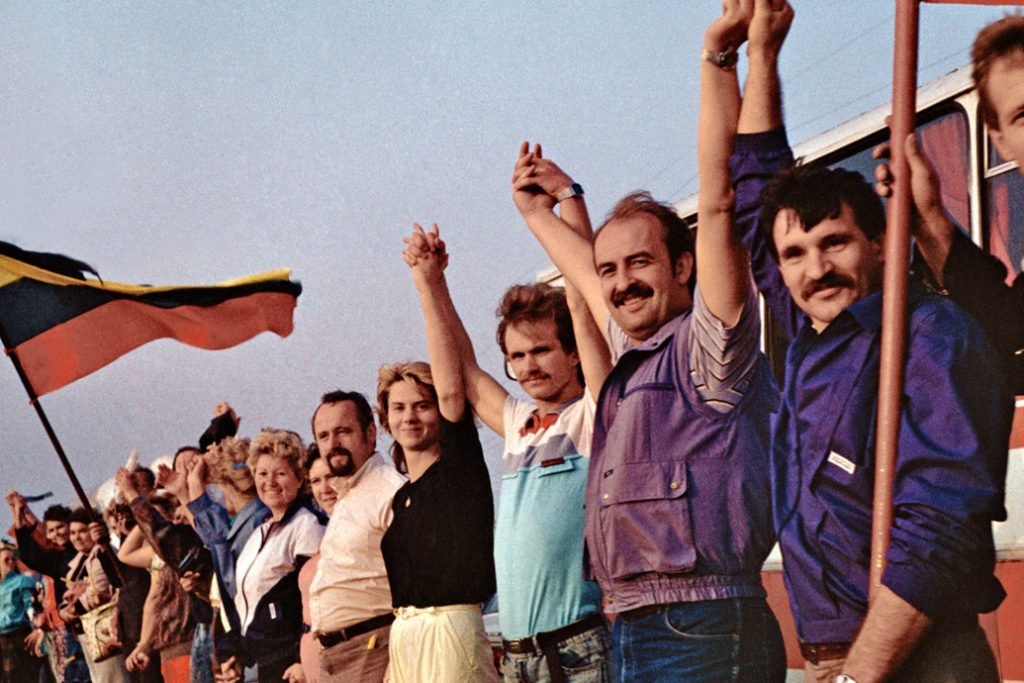
Reading Time: 6 minutesThe Singing Revolution was a largely nonviolent movement, 1987 to 1991, in which Estonians, Latvians, and Lithuanians used mass singing and peaceful protest to restore independence from the Soviet Union. Its most famous moment, the Baltic Way on 23 August 1989, linked about two million people in a chain roughly 675 kilometers (420 miles) long, from Tallinn through Riga to Vilnius. Song was not decoration. It was the organizing tool and the shared language of protest. Read More: Foodie’s Paradise: Mouth-Watering Culinary Tour of the Baltic States! Why singing? The question every visitor asks first Open calls for independence could be punished. Flags were banned and patriotic songs censored. Choirs, however, were part of official cultural life, and song festivals, dating from the 19th century, were too rooted to erase. That created an opening. A choir of thousands could sing a forbidden song in a way a lone speaker could not. The crowd became performers and protesters. In 1988, activist Heinz Valk described a nation making its revolution by singing and smiling, and the name stuck. The song also crossed generations and borders. Grandparents knew the folk repertoire, rock musicians wrote new patriotic songs, and radio coordinated people who had never met. What came before: occupation in brief Estonia, Latvia, and Lithuania were independent between the world wars. Under secret protocols in the Molotov-Ribbentrop Pact of 23 August 1939, they were assigned to the Soviet sphere. The Soviet Union annexed them in 1940. Nazi occupation followed, then Soviet occupation resumed until 1991. Those decades brought deportations to Siberia in 1941 and 1949, executions, censorship, and Russification. Many Western governments never recognized the annexation as legal. That mattered: Baltic leaders later argued they were restoring independence, not seceding. Read More: Where Is Lithuania Located? Book Your Latvia Tour Now! Timeline: from song festivals to restored independence Date What happened 1869 First Estonian Song Festival, in Tartu. Latvian and Lithuanian traditions also grow. 1987 Early mass protests mark deportations and call for openness and change. 1988 Singing breakthrough. On 11 September, about 300,000 people gather at Tallinn Song Festival Grounds for the Song of Estonia. Popular Fronts form in all three countries. 23 Aug 1989 The Baltic Way, on the pact’s 50th anniversary. About two million people hold hands across three countries. 1990 Pro-independence movements win elections. Lithuania declares restored independence on 11 March, Latvia on 4 May. Jan 1991 Soviet forces attempt to reassert control. Fourteen civilians are killed at Vilnius TV Tower. In Riga, unarmed volunteers defend key buildings from behind barricades. Aug-Sep 1991 After the failed Moscow coup, Estonia and Latvia declare full restoration in August. The Soviet Union recognizes Baltic independence on 6 September. The Baltic Way, explained properly The Baltic Way, or Chain of Freedom, is hard to grasp until you do the math. Two million people was about a quarter of the Baltic population. Organizers assigned road sections, buses filled rural gaps, Estonia made it a public holiday, and radio aligned timing. People held hands for about 15 minutes. The date was the message. Fifty years earlier, the pact that led to occupation had been signed. Choosing that anniversary forced a secret history into world headlines, in one peaceful line cameras could show across three nations. In 2009, UNESCO added Baltic Way records to its Memory of the World Register. Freedom Square in Tallinn, the Freedom Monument in Riga, and Cathedral Square in Vilnius are all points on that chain. Read More: Exclusive Baltic Escapes: Experience Unforgettable Guided Tours Trending Adventure Tour Vacation Package : ADVENTURE TOUR OF THE BALTICS Book Your Latvia Tour Now! Three countries, not one identical story Estonia’s story foregrounds song festivals. Latvia’s centers on its Popular Front, Daugava embankment gatherings in Riga, and the Barricades. Lithuania, led by Sajudis, declared first, in March 1990, and paid the highest price in January 1991. Cooperation was strategic as well as symbolic, celebrated in a trilingual song about three Baltic sisters awakening. Three republics acting together were harder for Moscow to isolate. January 1991: why the story is not only joyful It was not bloodless. In Vilnius on 13 January 1991, Soviet troops killed 14 unarmed civilians defending the TV Tower. In Riga, from 13 to 27 January, volunteers held barricades of lorries, logs, and concrete around parliament, radio, and bridges in freezing weather. Several people were killed, including in OMON attacks. That is why memorials feel personal. Many guides have parents or grandparents who sang in a crowd or stood on a barricade. Treat the subject as a living memorial. Did singing alone cause independence? No. Singing created participation and legitimacy. Elections, legal arguments, Soviet crisis, the failed August 1991 coup, and international recognition turned that into statehood. Without a way for hundreds of thousands to act together, safely enough to join and often enough to sustain, the political steps would have had far less force. Read More: Experience Kumu Museum’s Fascinating World of Art Trending New Year Vacation Package : New Years in Riga December 4 Days / 3 Nights Book Your Latvia Tour Now! Where to see it today City Place to go What it helps you understand Tallinn Song Festival Grounds (Lauluväljak); Vabamu Museum Stand where crowds sang in 1988. Vabamu tells personal occupation stories. Riga Freedom Monument; Occupation Museum; Barricades Museum Unveiled in 1935, the monument became a rallying point. The Barricades Museum sits in the defended Old Town streets. Vilnius TV Tower memorial; Museum of Occupations and Freedom Fights See where January 1991 turned deadly, around the former KGB headquarters. All three Song and Dance Celebrations The living festival tradition itself, recognized by UNESCO as Intangible Cultural Heritage. Check opening days, as several museums close on Mondays. Allow 90 minutes for each occupation museum. They are detailed and emotionally demanding. How to visit respectfully, and get more from it Learn one date first: 23 August 1989. It unlocks plaques, tours, and conversations in all three countries. Do not treat song festivals as folklore only. Ask a local
Tipping in the Baltics: A Simple Guide for Travelers
Reading Time: 6 minutesDo you need to tip in the Baltic countries? Tipping in the Baltics is optional, not an automatic 18–20% obligation. In Lithuania, Latvia, and Estonia, a modest tip or rounding up the bill is a common way to show appreciation for good service, especially at a sit-down restaurant. Around 5–10% is a useful guideline when service has been good, but you do not need to tip every time you buy a coffee, take a taxi, or pay for quick counter service. The details vary by venue and situation, so check the bill for a service charge and treat payment-terminal tip prompts as optional. All three countries use the euro, and cards are widely accepted in cities. Still, a few small euro notes can be handy for tips, markets, or places where adding a gratuity by card is awkward. Read More: What to Pack for a Baltic States Tour Tipping at a glance: Lithuania vs. Latvia vs. Estonia Situation Lithuania Latvia Estonia Restaurant with table service Round up or about 5–10% for good service About 5–10% if service was good Round up or about 5–10% for good service Café, bakery, or bar Small change or round up; optional Round up if you wish Tip jar or rounding up; optional Taxi or ride-hailing Usually no tip; round up if helpful Usually no tip; round up if helpful Usually no tip; app tip is optional Hotel porter / housekeeping Small €1–€2 gesture if warranted Small €1–€2 gesture if warranted Not expected; small tip appreciated Tour guide A few euros for a good group tour A few euros for a good group tour A few euros for a good group tour These are flexible travel guidelines, not official rules or fixed wage standards. A tip should reflect the service, the setting, and your own budget. If a restaurant has already added a service charge, you generally do not need to add another tip. How much should you tip in restaurants? Restaurants are where travelers are most likely to wonder what is appropriate. For attentive table service, 5–10% is a reasonable range across the three Baltic states. If your bill is €30, for example, leaving €1.50–€3 is a modest-to-generous gesture. You can also round a €18.60 bill up to €20 rather than calculating a percentage. You do not need to leave the same amount for every meal. At a counter-service café where you order and collect your food, tipping is not generally expected. If there is a tip jar and you want to contribute, spare coins are enough. For a fine-dining meal or particularly thoughtful service, you may choose to leave more, but North American-style tipping rates are not the default expectation. Read More: Where Is Lithuania Located? Book Your Latvia Tour Now! Check the bill before adding a tip Look for wording such as “service charge” or a separate service line before paying. It is not safe to assume every venue handles this the same way, particularly for large groups or special bookings. If a service charge is already included, adding another gratuity is entirely optional. If a card terminal displays suggested percentages, remember that the screen is a payment option—not proof that a tip is mandatory. Do you tip in cafés, bars, and takeaway places? Usually, no tip is necessary when you buy a coffee at the counter, pick up a pastry, or order takeaway. Rounding up a small amount is a friendly gesture if someone has been especially helpful. In a bar, you can round up the total or leave a little extra for attentive table service, but you are not expected to tip for every drink. Tourist districts may have more visible tip prompts than neighborhood cafés. Do not feel pressured by a screen or jar: choose an amount that feels comfortable, including zero when no extra service was provided. Read More: Which Baltic Country to Visit First? Trending New Year Vacation Package : New Years in Riga December 4 Days / 3 Nights Book Your Latvia Tour Now! Tipping taxi drivers and ride-hailing services Taxi drivers in Lithuania, Latvia, and Estonia generally do not expect a percentage tip. Many travelers simply round up the fare, such as paying €9 for an €8.40 ride. You might offer a little more if the driver helps with several bags, waits during an agreed stop, or provides unusually helpful service. For app-based rides, check the final fare and the app’s payment options. A tip feature may appear after the ride, but using it is optional. Confirm the price before starting an airport transfer, and use a reputable taxi company or ride-hailing app rather than accepting an unsolicited offer from someone inside an airport terminal. What about hotels and tour guides? Hotels Hotel tipping is low-key. If a porter carries several heavy bags, €1–€2 per bag is a practical gesture. For housekeeping, a small amount such as €1–€2 per night can be appreciated during a longer stay, but it is not a universal expectation. Leave cash in a clearly visible place with a short note if you want to make it clear that the money is for housekeeping. You do not need to tip reception staff for routine check-in. Guided tours and private drivers For a walking tour or group excursion, a few euros per person is a reasonable way to thank a guide who made the experience engaging and useful. For a private guide or a full-day driver, a larger tip may make sense because the service is more personalized and time-intensive. There is no single required percentage: consider the length of the tour, the quality of the experience, and whether gratuities are already included in your bo Cash or card: what is the easiest way to tip? Cards and contactless payments are widely used in Vilnius, Riga, and Tallinn, but cash can still be useful for small tips. If you want the gratuity to go directly to the person who served you, cash is often the clearest option. Card systems differ by
Driving in the Baltics: Car Rental Tips & Road Rulesc
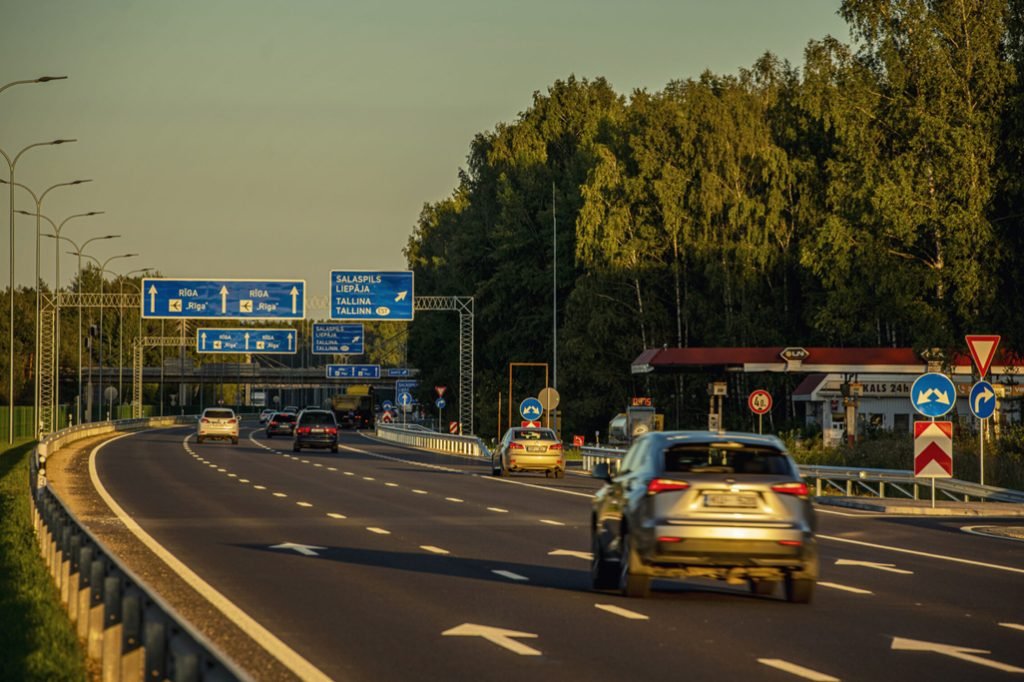
Reading Time: 5 minutesIs Driving in the Baltics Easy? Yes. Driving in the Baltics is generally straightforward for visitors: Estonia, Latvia, and Lithuania drive on the right, use kilometers per hour, and have well-connected routes between their capitals. Renting a car is especially useful for reaching coastal villages, national parks, and smaller towns. The essentials are to confirm cross-border rental permission, follow each country’s speed limits, keep headlights on, and prepare for changing winter conditions. Renting a Car in the Baltic States: What to Check Start by comparing the total rental cost, not just the advertised daily rate. Airport pickups in Tallinn, Riga, and Vilnius are convenient, but city-center agencies may suit travelers spending their first days sightseeing on foot. License and age: Bring your physical, valid driver’s license and passport. Holders of non-EU licenses should check whether an International Driving Permit (IDP) or translation is required by each country and the rental provider. Age minimums, license-holding periods, and young-driver surcharges vary. Payment and deposit: Ask whether a credit card in the lead driver’s name is required, the security-deposit amount, and when the hold is released. Insurance: Identify the collision-damage waiver excess (deductible), theft protection, roadside assistance, and exclusions for glass, tires, undercarriage, and gravel-road damage. Cross-border travel: Get written authorization to drive through all three countries. Verify insurance and breakdown coverage; permission is not automatic simply because the countries are in the EU. Return terms: Check one-way drop-off charges, fuel policy, mileage allowances, extra-driver fees, and after-hours returns. A five-minute pickup inspection Film the exterior and interior in daylight, photograph wheels and windshield, and have existing damage marked on the rental record. Check the fuel level, required safety equipment, tire condition, and emergency contact number before leaving. Baltic Driving Rules at a Glance Posted signs always take priority. The following are useful baseline limits for ordinary passenger cars; lower limits can apply to new drivers, bad weather, roadworks, or particular streets. Rule Estonia Latvia Lithuania Urban areas Usually 50 km/h Usually 50 km/h Usually 50 km/h Ordinary rural paved roads Usually 90 km/h Usually 90 km/h Usually 90 km/h Higher-speed roads Some signed sections reach 110 km/h in summer Some signed sections allow 100–110 km/h Motorways: 130 km/h Apr–Oct; 110 km/h Nov–Mar Winter tires Dec 1–Mar 1 Dec 1–Mar 1 Nov 10–Mar 31 Lithuania also has separate expressway limits: generally 120 km/h in April–October and 110 km/h in November–March. In Latvia, gravel roads may have lower limits. Check signs rather than assuming that every divided highway has the same limit. Safety Laws That Matter on Every Road Trip Seat belts are mandatory, children need age- and size-appropriate restraints, and handheld phone use is prohibited. Daytime running lights or dipped headlights are required even in daylight. Carry the rental agreement, identification, valid license, and insurance documentation supplied by the company. Alcohol limits differ. Estonia has a particularly strict approach; Lithuania applies a lower limit to experienced drivers and zero tolerance to novice drivers, while Latvia has a stricter limit for novices than for experienced drivers. The simplest reliable rule for travelers is not to drink before driving. Be especially cautious at zebra crossings, roundabouts, and tram or bus lanes. Lithuania requires drivers to yield to pedestrians waiting at marked crossings. Speed cameras are common, and fines can follow a rental car home through the rental agency. Winter Driving: Match the Car to the Season Cold-weather driving is the biggest seasonal change. Mandatory winter-tire periods are December 1–March 1 in Estonia and Latvia, and November 10–March 31 in Lithuania. These are minimum legal windows, not a promise of snow-free roads outside them. Ask the rental agency to confirm suitable tires for every country on your route. In snow, leave a longer following distance, brake gently, clear all windows, and allow extra daylight driving time. Rural roads can be icy before city streets. For Estonia, the transport authority emphasizes the three-peak mountain/snowflake symbol on non-studded winter tires; do not assume any tire labeled “all-season” meets every local requirement. Border Crossings, Parking, and Unexpected Costs Estonia, Latvia, and Lithuania are in the Schengen Area, so the usual road trip does not involve routine internal border checks, although temporary controls are possible. Carry your travel documents anyway. A rental agreement may prohibit travel beyond approved countries, even if a navigation app suggests a shortcut. In historic centers such as Tallinn’s Old Town, Riga’s Old Town, and central Vilnius, street parking can be limited, restricted, or paid. Read zone signs and pay using the local machine or approved parking app. Most passenger-car roads do not require a general vignette for this three-country trip, but local fees exist. For example, entering Jūrmala’s designated paid zone in Latvia requires a permit; its posted fee is €5 from January 1, 2026. Check the official zone map and current terms before visiting. How to Plan a Relaxed Baltic Road Trip For a first visit, allow seven to ten days for Vilnius, Riga, and Tallinn, with extra stops rather than trying to drive every day. A sensible northbound sequence is Vilnius → the Hill of Crosses area → Riga → Pärnu → Tallinn. Add Trakai near Vilnius or Lahemaa National Park near Tallinn if time permits. Verify drive times in your navigation app and budget for breaks, roadworks, and slower coastal roads. Choose a compact car for two travelers and mostly paved routes; prioritize luggage room for a family. An automatic may cost more or have limited availability, so reserve early. Download offline maps, save accommodations’ parking instructions. Before You Drive: Quick Checklist License, passport, rental agreement, and any required IDP Written cross-border authorization and confirmed insurance Correct seasonal tires, headlights, warning triangle, and other required equipment Photos of existing damage and fuel level at pickup Parking plan, offline maps, emergency contact, and return instructions Frequently Asked Questions Can I rent a car in one Baltic country and return it in another? Often, yes, but only if the supplier offers an international one-way rental. Obtain a written quote for the drop-off charge
How Much Does a 7-Day Baltic Trip Really Cost? Honest Price Breakdown
Reading Time: 6 minutesA seven-day trip through Lithuania, Latvia, and Estonia typically costs about €450–€650 per person on a careful budget, €800–€1,200 for a comfortable midrange trip, or €1,450–€2,200 for a higher-comfort holiday. These estimates assume one traveler sharing a double room, six nights in the region, and time in Vilnius, Riga, and Tallinn. International flights are not included. The biggest variables are accommodation, travel dates, and how often you eat in sit-down restaurants. The Baltic states use the euro, which makes budgeting simpler, but prices are not identical: Tallinn and peak-season dates can cost more than a similar stay in Vilnius. Treat these numbers as planning ranges, not fixed quotes, and check current prices before booking. A realistic 7-day Baltic trip cost breakdown For a fair comparison, the table below estimates a one-week route across all three capitals, with six overnight stays and two intercity coach journeys. It includes a modest allowance for sightseeing and everyday extras, but not flights, travel insurance, shopping splurges, or private tours. Expense Budget traveler Midrange traveler Comfort-focused traveler Accommodation (6 nights, per person sharing) €150–€240 €300–€480 €600–€1,050 Food and drinks €105–€150 €175–€280 €315–€490 Local public transport €15–€30 €20–€40 €25–€55 Intercity coaches (2 legs) €30–€50 €35–€60 €45–€80 Attractions and activities €35–€70 €70–€140 €140–€250 Small extras and contingency €30–€60 €50–€100 €100–€200 Estimated total per person €365–€600 €650–€1,100 €1,225–€2,125 These line items can land below or above the headline ranges depending on dates and choices. For a realistic buffer, add 10–15% to your own subtotal. Accommodation estimates assume sharing a room; solo travelers paying for a private room should budget more. 1. Accommodation: the biggest budget decision For six nights, a hostel dorm or simple guesthouse can keep the lodging bill relatively low, while a well-located midrange hotel raises the total quickly. Private rooms in central areas usually cost more on summer weekends, during festivals, and around major events. Tallinn is often the priciest of the three capitals in peak season, so compare the full trip rather than assuming each city will cost the same. A useful saving strategy is to stay just outside the Old Town or main tourist core, but near a reliable bus or tram stop. Check whether the room includes breakfast, whether taxes are included, and whether late check-in costs extra. A low nightly rate can be less attractive if it requires expensive taxis or long journeys each day. 2. Food and drinks: mix cafés with local meals A budget-conscious traveler can combine supermarket breakfasts, bakery snacks, market stalls, and inexpensive lunch specials. For a midrange trip, plan for café breakfasts, casual lunches, and a sit-down dinner most days. Restaurants, cocktails, specialty coffee, and dining in the most tourist-heavy streets can push spending upward. Rather than setting one strict meal price for all three countries, look at menus near your accommodation and decide how many restaurant meals matter to you. Markets such as Hales Market in Vilnius can be interesting places to browse local food, but do not assume every stall is cheaper than a supermarket or casual restaurant. 3. Getting between Vilnius, Riga, and Tallinn For a seven-day, three-capital itinerary, intercity coaches are often the easiest option. A typical plan has two long-distance journeys: Vilnius to Riga, then Riga to Tallinn—or the reverse. As a planning estimate, allow roughly €15–€25 per leg when booked sensibly, though prices vary by date, operator, departure time, and seat availability. Book early if your dates are fixed and compare journey duration as well as fare. Seven days is enough to sample all three capitals, but moving cities takes time. A simple structure is two nights in Vilnius, two in Riga, and two in Tallinn, with the seventh day used for departure or an extra night depending on your flight. If you want countryside, the Curonian Spit, or Gauja National Park, consider adding days instead of squeezing another destination into the same week. 4. Local transportation and sightseeing All three capitals have local public transportation, but the best-value ticket depends on how much you ride. If you are staying centrally and exploring on foot, a few single tickets may be enough. If your hotel is outside the center or you plan to visit several districts, compare day passes and multi-ride options on the official city transport sites. Budget for a mix of free and paid sights. Walking through historic centers, visiting parks, and exploring waterfront areas can fill much of a day without admission fees. Paid museums, tower viewpoints, guided tours, and special exhibitions add up, so choose a few priority attractions instead of paying for every available experience. Check opening days and ticket prices on the venue’s official website. 5. Extra costs travelers often forget Airport transfers: local bus or train fares are usually cheaper than a taxi or ride-hailing trip. Checked baggage and seat fees: low-cost airline fares may not include the bag you expect. Travel insurance and roaming: check your policy and mobile plan before departure. Laundry, luggage storage, and early check-in: useful on a short itinerary but not always free. Coffee, snacks, bottled water, souvenirs, and public toilets: small purchases can accumulate over seven days. Currency or card fees: all three countries use the euro, but your bank may charge foreign transaction fees. Seasonal price changes: summer, weekends, festivals, and major events can increase accommodation costs. How to keep the trip affordable without missing out Book accommodation and intercity transport early when traveling in summer. Stay near public transport rather than paying extra for a central address you do not need. Plan one or two paid attractions per city and fill the rest of the day with walks and free sights. Use a daily spending target, then keep a separate buffer for unexpected costs. Check official transport and attraction sites shortly before travel; old price lists can be out of date. Frequently Asked Questions Is €1,000 enough for a 7-day Baltic trip? It can be enough for one person if you share accommodation, book intercity coaches early, eat a mix of inexpensive and casual
Vilnius Public Transport: Buses, Trolleybuses & Tickets Explained
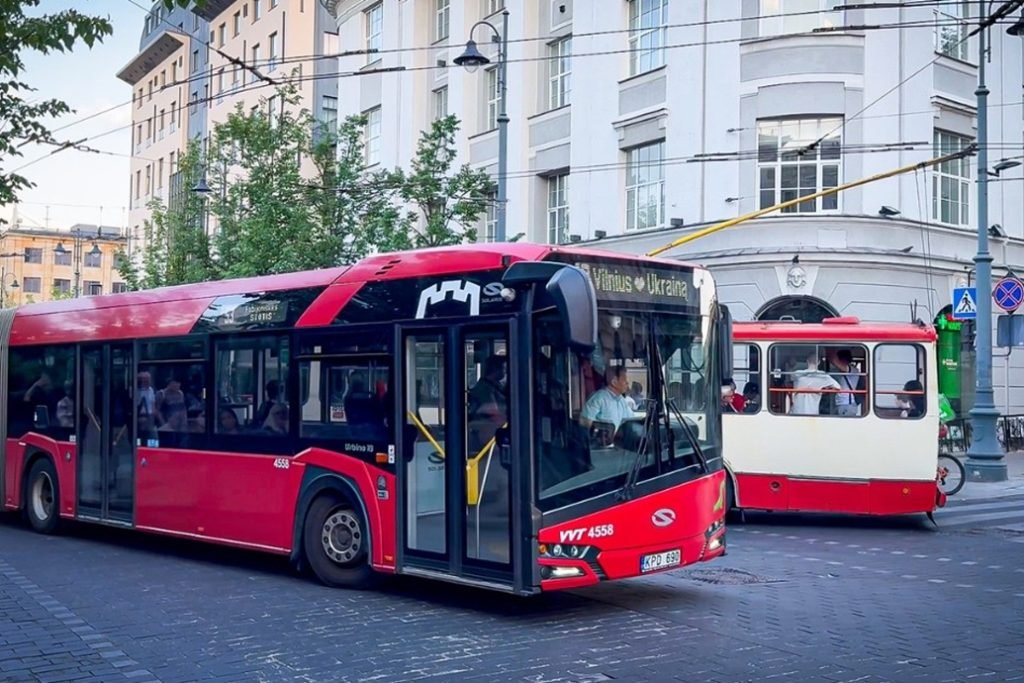
Reading Time: 6 minutesVilnius public transport is an affordable way to get around Lithuania’s capital without renting a car. The city’s main network uses buses and trolleybuses, with routes linking the Old Town, central districts, residential neighborhoods, transport hubs, and Vilnius Airport. For most visitors, the key is simple: check your route before leaving, choose a ticket that covers the length of your journey, and make sure it is activated correctly. The official public transport information and ticketing service is JUDU. Its website and app provide ticket details, route planning, schedules, and live vehicle information. Fares and ticket rules can change, so check JUDU shortly before your trip rather than relying on an old travel blog or a saved screenshot. Buses vs. trolleybuses: What is the difference? Buses are the more flexible option because they do not need overhead power lines. They serve a broad range of routes, including links to the airport and districts beyond the central area. Some routes are designed for faster cross-city journeys, while others make more frequent stops. Trolleybuses are electric vehicles powered by overhead wires. They run on established corridors and are useful for reaching many central and residential areas. For a passenger, the practical difference is usually less important than the route number, destination display, and departure time: buses and trolleybuses use the same general ticket system. Neither vehicle type is automatically best for every journey. Use a route planner to compare departure times, transfers, and walking distance from the stop to your destination. A route with one extra stop may be more convenient if it avoids a long walk or a tight transfer. Vilnius public transport ticket prices JUDU currently lists the following standard fares for short visits. Prices below are full-fare rates; eligible passengers may qualify for discounts. Check the official ticket page before travel in case prices or conditions have changed. Ticket type Standard price Best for 30-minute ticket €1.00 A short trip or a journey with a quick transfer 60-minute ticket €1.25 A longer cross-city trip or a transfer that needs more time 1-day ticket (24 hours) €7.50 Several journeys during one day 3-day ticket (72 hours) €13.50 A city break with frequent travel over three days JUDU / Vilniečio card €1.50 for the card Travelers who want to load eligible tickets onto a reusable card A 30- or 60-minute ticket allows transfers between vehicles during its validity period, so you do not need to buy a new ticket simply because you change from one bus or trolleybus to another. The ticket must still be valid when you travel. A day ticket runs for 24 hours from activation, and a three-day ticket runs for 72 hours—not merely until the end of the calendar day. Which ticket should a visitor choose? For one or two short rides, a 30-minute ticket may be enough if the journey fits within its time limit. Choose a 60-minute ticket if the route is longer or you want more breathing room for a transfer. If you expect to use public transport repeatedly while sightseeing, compare the cost of individual tickets with a 24-hour or 72-hour pass. A pass is most useful when you will take several rides, not when you plan to walk around the compact Old Town for most of the day. If you are staying for a week or longer and will ride daily, review JUDU’s longer-term ticket options. Some passes are available for set periods, including weekday-only versions. These may be more relevant to longer stays than to a short holiday. How to buy a ticket Use the JUDU or m.Ticket app The official JUDU ticketing information describes app-based ticket purchases and activation, and the m.Ticket app can store different ticket types. Buy the ticket before boarding when possible, then follow the app’s instructions to activate it for the journey. Do not assume that a ticket sitting in your phone is already valid: activation matters. Pay by contactless bank card Contactless payment is available at supported validators on city buses and trolleybuses. Tapping a supported bank card or a phone/watch wallet purchases a full-price 60-minute ticket for €1.25, which activates automatically. This is convenient for occasional rides, but it does not provide discounted fares. Tap only one card or device at a time, and use the same payment method if you need to check the ticket’s validity. Use a JUDU / Vilniečio card A physical card can be purchased and topped up with eligible tickets. On boarding, follow the validator prompts and check the screen or sound confirmation to make sure the ticket has activated. If the card contains more than one ticket type, take care to select the correct one. The card itself costs €1.50 and is non-refundable, so occasional visitors may prefer an app or contactless payment. How to validate tickets and avoid fines Before you settle into your seat, confirm that your ticket is active. With an app ticket, check the activation status in the app. With a JUDU card, follow the validator prompts and wait for confirmation. With contactless payment, the ticket activates when you tap the card or device on the reader. Keep your phone charged if you depend on a mobile ticket, and keep any card or proof of eligibility available during the ride. Discounted tickets are only for passengers who meet the eligibility rules. JUDU says passengers using a discounted ticket must carry a document proving their right to the discount. If you cannot show valid proof during inspection, you may be treated as a full-fare passenger. When in doubt, buy a standard ticket rather than assuming a discount applies. Getting from Vilnius Airport to the city Vilnius Airport is connected to the city by public transport. JUDU lists several bus services, including route 3G, as well as other routes and a night service. The most suitable option depends on your arrival time and where you are staying. Check the airport’s public transport page or the JUDU route planner on the day you travel, because timetables and
Baltic Wine: Unexpected Discoveries (Northern Terroir)
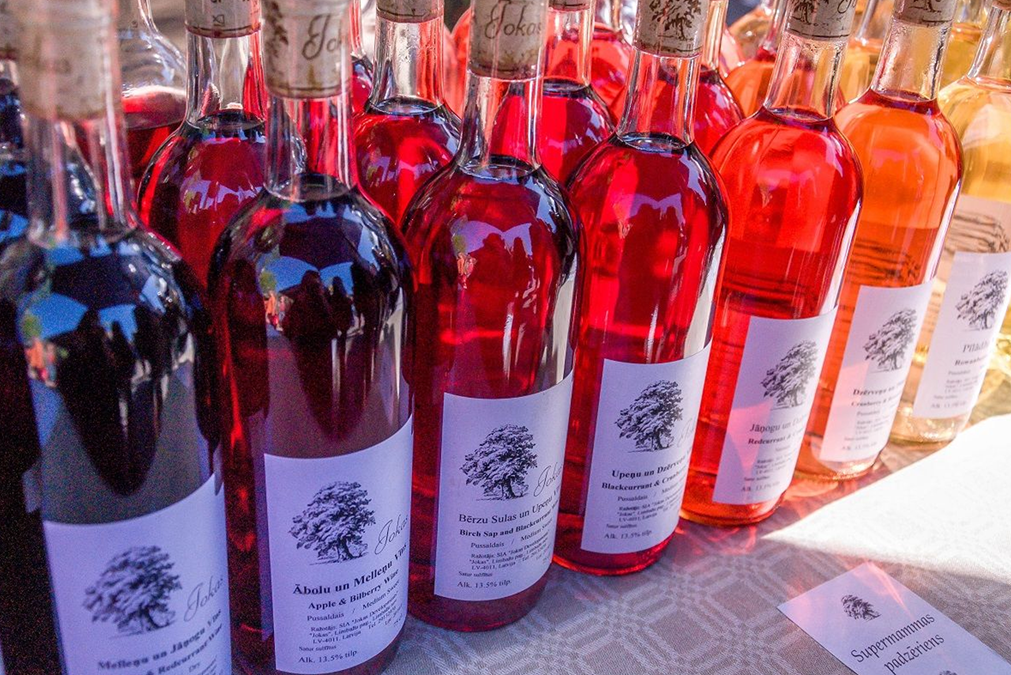
Reading Time: 5 minutesWhat Is Baltic Wine? Baltic wine is wine produced in Lithuania, Latvia, and Estonia, often from local berries, orchard fruit, or cold-hardy grapes. Unlike classic wine regions known mainly for Chardonnay or Cabernet Sauvignon, Baltic producers draw on blackcurrants, apples, cherries, rhubarb, and increasingly, vineyard-grown grapes. The result is a distinctive northern drinking culture shaped by short growing seasons, long summer daylight, and resourceful small producers. For travelers, the appeal is not simply finding a surprising bottle. It is tasting ingredients connected to forests, farms, and coastal landscapes—and meeting the people transforming them into wine. Here is how to understand the region, choose a tasting, and find wines worth trying. How Northern Terroir Shapes the Wine Terroir describes how a site’s climate, soils, landscape, and farming choices influence an agricultural product. In the Baltics, cold winters, spring frost, variable summers, and a limited ripening window make growing traditional wine grapes challenging. The region’s long summer days offer light, but they do not eliminate frost risk or guarantee ripe grapes. Growers respond by selecting winter-hardy or early-ripening varieties, protecting vines, and using favorable slopes or sheltered locations. Solaris is an important white grape in Lithuanian vineyards, while northern producers also experiment with varieties such as Rondo and Marquette. Cool-climate fruit can retain lively acidity; the final taste also depends on harvest timing and winemaking decisions—not latitude alone. Three Countries, Three Ways to Discover Baltic Wine Lithuania: Berry-Wine Heritage Meets Emerging Vineyards Traditional Lithuanian wine is often made from apples, blueberries, blackcurrants, or cherries rather than grapes. The country’s tourism authority points to Anykščių Vynas, founded in 1926, as part of this longstanding fruit-wine story. Meanwhile, grape growing is expanding: a Vilnius conference briefing in 2025 reported more than 50 hectares of vineyards nationwide. For a vineyard experience, Lithuania Travel highlights the family-run Mikalajūnas vineyard near the Baltic coast, where guests can explore the varieties and conditions behind local grape growing. Ask whether a tasting includes grape wine, fruit wine, or both; “local wine” alone does not tell you what is in the bottle. Latvia: Sabile, Grapes, and Orchard Wines Sabile, in Latvia’s picturesque Abava River valley, is associated with Wine Hill, a historic open-air vineyard famous for its northern location. Nearby Abavas winery makes grape wines alongside fruit and berry wines and cider. The producer lists northern grape varieties including Solaris, Muskaris, and Rondo at its Sabile vineyard. A visit here works especially well as a countryside outing: combine the vineyard landscape with a prearranged cellar tasting. Confirm the exact tasting address before traveling; a producer’s vineyard and production facility may be in different places. Estonia: A Wine Trail Built on Local Ingredients Estonia’s official Wine Trail connects small producers across the country. Many craft wines use rhubarb, blackcurrant, apples, aronia, or other regional ingredients; selected wineries also produce grape wine. Visit Estonia recommends estates such as Allikukivi for berry and fruit wines and Valgejõe Veinivilla for wines made from Estonian-grown ingredients. This is perhaps the most approachable entry point for curious visitors: a guided tasting can demonstrate how a dry rhubarb wine differs from a richer blackcurrant bottling, without pretending either tastes exactly like a familiar grape wine. What Should You Taste First? Start with a small comparison flight rather than buying the sweetest-looking bottle. The table below is a practical guide; styles vary by producer, sweetness, and vintage. Wine or ingredient What to expect Try it with Solaris grape wine Often aromatic, fresh; dry or off-dry styles Fish, soft cheese, vegetable dishes Blackcurrant wine Deep berry flavor; can be tart or sweet Duck, aged cheese, berry desserts Apple wine Crisp and orchard-driven; still or sparkling Pork, roast vegetables, mild cheeses Rhubarb wine Bright tang; styles range from dry to sweet Goat cheese, salads, light appetizers Cherry wine Expressive red-fruit notes; often fruit-forward Chocolate or savory mushroom dishes These are pairing ideas, not fixed rules. A sweet blackcurrant wine behaves differently at the table from a dry version, so ask about residual sugar before ordering. How to Choose a Good Baltic Wine Use five simple checks when browsing a tasting menu or shop: Read the base ingredient: grape, apple, berry, and rhubarb wines are different categories. Ask “dry, off-dry, or sweet?” Appearance and fruit choice are unreliable sweetness guides. Look for origin details: where the fruit was grown can matter as much as where the wine was bottled. Ask about the grape variety or vintage when buying grape wine; northern harvest conditions can vary. Taste with food when possible and take notes on acidity, fruit character, finish, and what you actually enjoy. One more helpful distinction: cider and mead are part of regional tasting culture, but cider is not automatically wine, and mead is made by fermenting honey. A mixed tasting might include all three; checking the label prevents confusion. Planning a Baltic Winery Visit Late spring through early fall is generally the easiest period for vineyard scenery and countryside touring, although tasting calendars vary. Reserve directly: many Baltic wine producers are small, have limited opening days, or welcome groups by appointment only. Estonia’s Wine Trail is useful for planning a route; Latvia Travel and Lithuania Travel publish individual producer experiences. For the best learning experience, ask the host three questions: Which ingredients are grown here? What is hardest about producing wine this far north? Which bottle most clearly represents the local landscape? Arrange a designated driver or other transportation if tasting alcohol, and check age requirements. Frequently Asked Questions Do the Baltic countries actually grow wine grapes? Yes. Lithuania, Latvia, and Estonia have vineyards, though grape growing is comparatively small and climate-sensitive. Cold-hardy and early-ripening varieties help growers work within short seasons. Is Baltic wine always made from berries? No. Fruit and berry wines are prominent, but some wineries produce wines from locally grown grapes. Read labels or ask the producer to distinguish the two. Is Baltic wine usually sweet? Not necessarily. Some fruit wines are sweet or semi-sweet, while others are dry; grape wines also vary. Ask
Easter Traditions in the Baltics
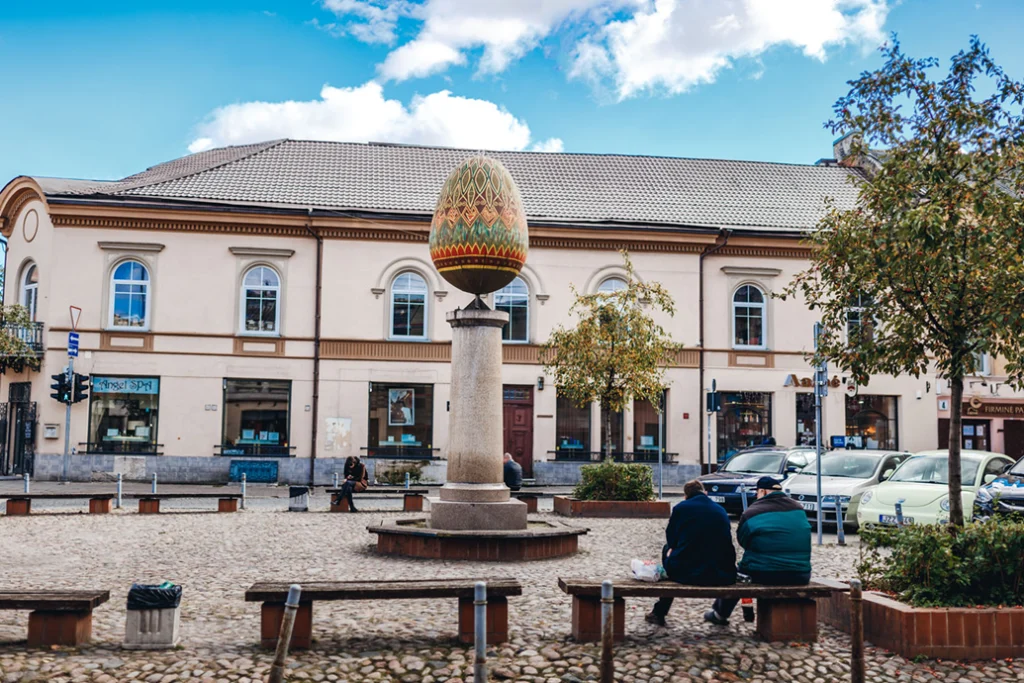
Reading Time: 5 minutesEaster traditions in the Baltics combine Christian observances with older customs welcoming spring. In Estonia, Latvia, and Lithuania, families may decorate eggs, play egg-tapping games, share festive meals, attend church, or take part in community events. The details differ by country and region, but eggs, renewal, family, and the return of warmer days are recurring themes. Why Easter Is Special in the Baltic Countries Easter is a major Christian holiday commemorating the resurrection of Jesus Christ. In the Baltics, religious observances developed alongside folk customs linked to spring, sunlight, and the agricultural year. Eggs symbolize new life, while outdoor games and swinging welcome the change of season after winter. 1. Estonia: Egg Games and the Easter Swing In Estonia, Easter is sometimes called munadepüha, or “egg holiday,” reflecting the importance of decorated eggs. Families traditionally color hard-boiled eggs, often using onion skins or other natural dyes. These methods can create earthy browns, golds, and soft shades, while leaves or other materials may leave patterns on the shell. Egg tapping and rolling One popular game is egg tapping: two players knock the ends of their eggs together, and the egg that stays uncracked wins. In some areas, including Setomaa in southeastern Estonia, people also roll eggs down a small sandy ramp and try to hit other eggs. These simple games turn a decorated egg into both a gift and a source of friendly competition. Swinging and family celebrations Traditional Easter gatherings can include swinging on a large village swing, sharing a meal, and spending time outdoors. The Estonian Open Air Museum in Tallinn has hosted Easter programs featuring egg dyeing, folk activities, swinging, and seasonal food. Setomaa is another area to explore for regional egg-rolling customs. Confirm dates and ticket details with the venues before visiting. 2. Latvia: Lieldienas, Eggs, and Big Swings In Latvia, Easter is known as Lieldienas. Alongside Christian observances, it carries folk associations with the sun’s return and the arrival of spring. One of its most distinctive customs is swinging, sometimes on a large wooden structure built for the occasion. Dyeing and rolling Easter eggs Latvian families may color eggs with onion skins, leaves, or other natural materials. Egg battles—where players tap the pointed ends of their eggs together—test which shell is strongest. Egg rolling is another favorite: eggs travel down a sloping board, and players try to strike eggs already at the bottom. Community events may add folk songs, dancing, crafts, and traditional foods. Visitors in Riga can look for Easter programs at the Latvian Ethnographic Open-Air Museum, which has organized celebrations with egg activities, swings, folk performances, and craft stalls. The exact program varies from year to year. 3. Lithuania: Artistic Eggs and Easter Granny Lithuania’s Easter celebrations often emphasize family, faith, and elaborate egg decoration. A decorated Easter egg is called a margutis. Traditional designs may use wax, scratching, or natural dyes, with motifs inspired by the sun, plants, and the natural world. Egg decorating and games After decorating eggs, families may play egg-tapping games or roll eggs to see whose travels farthest or remains intact. In some households, the first Easter egg is shared among family members, expressing togetherness and good wishes. Customs differ across regions and generations, so a visitor may encounter one tradition in a family and another at a folk event. Easter Granny and Palm Sunday A well-known figure in Lithuanian Easter folklore is Velykų Bobutė, often translated as Easter Granny, who brings eggs or small gifts to children in some traditions. The week before Easter also includes Palm Sunday, called Verbų sekmadienis. In Lithuania, decorated palms may be made from dried flowers and plants; in some places, juniper branches are used in related customs. Many worshippers bring these arrangements to church for blessing. At a Glance: Easter Customs Across the Baltics Country Traditions to look for Possible visitor experience Estonia Natural egg dyes, egg tapping and rolling, village swings Easter activities at the Estonian Open Air Museum or regional events in Setomaa Latvia Lieldienas, large swings, egg battles and rolling Folk music, craft stalls, and family activities at an open-air museum event Lithuania Margučiai egg art, family meals, Easter Granny, Palm Sunday palms Church observances, seasonal displays, or folk activities at museums and community venues What Do People Eat at Easter in the Baltics? Easter food depends on family tradition, region, and religious practice. Eggs are central in all three countries, often served with bread, spreads, cold dishes, or a larger holiday meal. Some households prepare baked goods, meat dishes, cheese-based foods, or other special recipes for relatives gathering around the table. There is no single menu shared by every Baltic family, so local bakeries and restaurants are useful places to discover seasonal variations. How to Experience Easter in the Baltics as a Traveler Check the year’s Easter dates and local event calendars before booking; Western and Eastern Christian dates may differ. Look for open-air museums and cultural centers, where traditional crafts and games may be demonstrated. Plan for holiday closures or reduced hours, especially on Easter Sunday and other public holidays. Dress for changeable spring weather and bring layers; outdoor events may be chilly or wet. Ask before photographing worshippers or private family celebrations, and follow local guidance at churches. Treat folk explanations as cultural beliefs, not literal promises, and remember that practices vary by region and family. Frequently Asked Questions What are the most common Easter traditions in the Baltics? Decorating eggs, playing egg-tapping or egg-rolling games, sharing family meals, and attending church are common traditions. Latvia and Estonia are also known for Easter swinging customs, while Lithuania has distinctive egg-art traditions and the figure of Easter Granny. Are Easter traditions the same in Estonia, Latvia, and Lithuania? No. The countries share themes such as eggs and spring renewal, but their languages, folklore, and local customs differ. Traditions can also vary between rural and urban communities and from one family to another. Can tourists join Easter celebrations in the Baltics? Often, yes. Open-air museums and local
Where to Stay in Vilnius: Best Areas & Hotels for First-Time Visitors
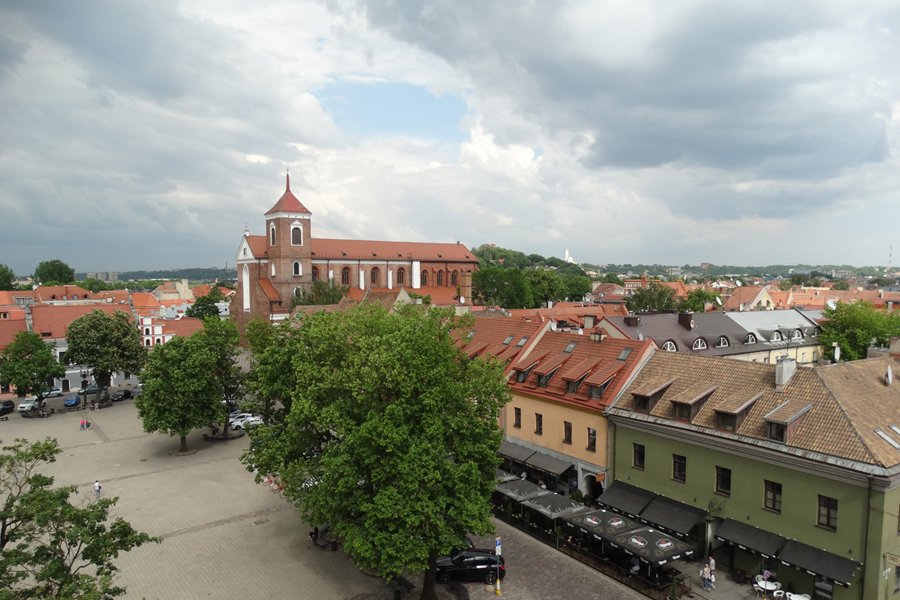
Reading Time: 5 minutesFor a first visit to Vilnius, stay in Old Town (Senamiestis) if you want to walk to the city’s major sights, restaurants, and historic streets. The Cathedral Square and Gediminas Avenue area is another convenient central choice. For better value, consider Naujamiestis; for a creative, quieter setting, try Užupis. Your ideal hotel depends on your itinerary, arrival time, and whether you need parking or an elevator. Lithuania’s capital is relatively compact, but neighborhood names can be misleading: two hotels in the same district may have very different walking routes. Use this guide to choose a base before comparing final room prices. Best Vilnius Neighborhoods at a Glance Area Best for Main trade-off Old Town (Senamiestis) First-timers, sightseeing Some noise, cobblestones, limited parking Cathedral / Gediminas Avenue Central location, shopping Busy streets and event nights Užupis Couples, art, local atmosphere Fewer conventional hotels Naujamiestis Value, dining, station access Location varies across a large district Šnipiškės Modern hotels, business, drivers River crossing to historic sights 1. Old Town: Best Overall for First-Time Visitors Vilnius Old Town is the easiest base for a two- or three-day sightseeing trip. You can explore Cathedral Square, Vilnius University, Pilies Street, Town Hall Square, and the Gates of Dawn without planning every outing around public transportation. Its Gothic, Renaissance, and Baroque architecture makes even a short walk memorable. For a special occasion, Hotel PACAI occupies a historic property on Didžioji Street near Town Hall Square. Grand Hotel Vilnius, Curio Collection by Hilton, is another upscale option near Cathedral Square. Both are better viewed as location and style suggestions than guaranteed choices for any budget. Practical tip: Ask for a courtyard-facing room if you are sensitive to nightlife or street noise. Historic buildings may have stairs, uneven flooring, or restricted vehicle access; confirm the exact room route before booking. 2. Cathedral Square and Gediminas Avenue: Central but More Flexible The streets around Cathedral Square and Gediminas Avenue suit visitors who want Old Town landmarks alongside shops, cultural venues, and wider sidewalks. This is a practical area for a city break with museums, shopping, and evening performances. Consider Grand Hotel Vilnius for a premium stay close to the cathedral, or Neringa Hotel on Gediminas Avenue for a location convenient to the avenue and nearby cultural attractions. Compare each property’s room orientation, breakfast policy, and parking rather than assuming central hotels offer identical convenience. Practical tip: If you plan to use buses frequently, look at the closest stops and routes on a map—not simply the hotel’s advertised distance from “the center.” 3. Užupis: Best for Art Lovers and a Romantic Atmosphere Across the Vilnia River, Užupis is known for its galleries, playful independent spirit, public art, and self-declared “republic.” It offers a distinctive atmosphere while remaining close to eastern Old Town landmarks such as St. Anne’s Church. Accommodation choices here lean toward smaller properties and apartments rather than a long list of major hotels. An apartment can be ideal for a couple or longer stay, but check whether check-in is self-service, whether luggage storage is available, and whether the street is accessible by car. Practical tip: Look up the walking route across the river before paying. A property described as “near Užupis” could be less convenient than one just inside Old Town. 4. Naujamiestis: Best for Budget-Conscious Travelers Naujamiestis, or New Town, gives visitors access to cafés, contemporary culture, and a broader range of accommodation styles. Its station-side portion can be especially useful when arriving by train or bus or planning day trips beyond Vilnius. Comfort Hotel LT on Kauno Street is a practical hotel to compare for a modern stay near the station side of the district. Travelers who want a straightforward station-area base can also look at Panorama Hotel, then check the exact walking route to the historic center. Practical tip: Naujamiestis covers a sizable area. Enter the hotel address and your main destinations into a map before deciding that a lower rate is worth the extra travel. 5. Šnipiškės: Best for Modern Comfort and Business Trips North of the Neris River, Šnipiškės combines contemporary office towers with older wooden-house streets. It can suit conference attendees, drivers, and travelers seeking modern hotel facilities rather than a historic building. Radisson Blu Hotel Lietuva is a recognizable option in this part of the city, near the riverside business area. It is worth comparing if you prioritize full-service amenities, but verify the room category and what is included in your rate. Practical tip: Check the bridge crossing from your hotel to the places you want to see. A river-view room does not necessarily mean the Old Town is immediately outside the door. How Much Should You Budget for a Vilnius Hotel? Room prices change with dates, events, occupancy, and cancellation policies. As a rough planning framework—not live quoted rates—compare hostels or simple rooms first if you have a tight budget, midrange hotels for private rooms and reliable amenities, and luxury properties if location, design, or service is your priority. A good central hotel can sometimes save enough transport time to justify paying more. Vilnius has a city accommodation tax. City guidance cited by local tourism resources lists €2 per eligible guest per night, with exemptions; verify the current rule and whether your booking platform has already collected it. Compare final totals rather than nightly prices alone. Six Checks Before You Book Map the hotel entrance to your top three sights, not just to Cathedral Square. Confirm whether your room faces a road, bar, courtyard, or tram-free quiet street. Check elevator access and stairs if you have luggage, a stroller, or mobility needs. Compare cancellation rules, breakfast, city tax, and parking in the final price. For late flights or trains, confirm reception hours and after-hours entry instructions. If driving, request the parking entrance and verify Old Town traffic restrictions. Frequently Asked Questions Is Vilnius Old Town the best place to stay? Yes, for most first-time visitors focused on sightseeing. It offers the shortest, most enjoyable walks between major historic attractions. A
