


Amber Hunting on Palanga Beach: How to Find It
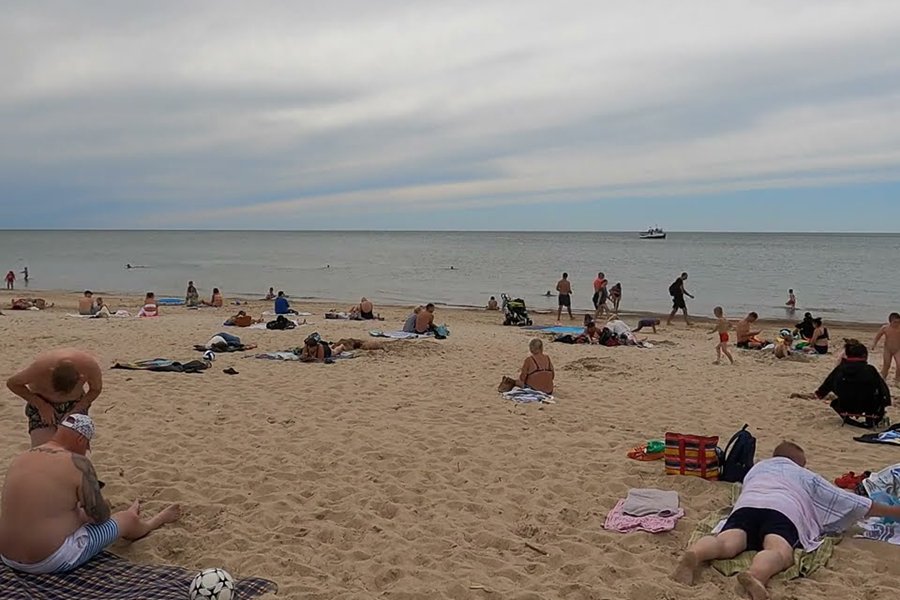
Reading Time: 5 minutesLooking for amber on Palanga Beach? Your best chance is to walk the Baltic Sea shoreline after a storm has passed, when calmer waves leave seaweed, twigs, and other lightweight debris on the sand. Scan those washed-up lines for small honey-yellow, orange, or brown pieces. Go in daylight, stay out of rough surf, and remember that finding amber is never guaranteed. Amber hunting is a memorable way to explore Palanga, Lithuania’s popular seaside resort. You need patience more than special equipment—and a few local clues can make an ordinary beach walk much more rewarding. Read More: Estonian Culture and Traditions: A Complete Guide Why Does Amber Wash Up on Palanga Beach? Baltic amber is fossilized tree resin, formed millions of years ago. Water and coastal currents can transport pieces along the Baltic shoreline and deposit them among plant material. In Lithuania, traditional amber hunters pay attention to the period just after storms, when currents bring seaweed and floating debris toward shore. This practice is documented by Lithuania’s national intangible cultural heritage inventory. Not every storm produces amber, and the beach changes constantly. Rather than expecting a large gemstone in plain sight, search for small fragments mixed into natural deposits near the waterline. When Is the Best Time to Find Amber? The most useful conditions are often immediately after strong winds and waves begin to subside. Early morning can also be worthwhile because fewer people have searched recently and low-angle light makes damp objects easier to notice. There is no guaranteed amber season or exact wind speed that ensures a find. Conditions What to do After a storm, as waves calm Check fresh seaweed and debris lines from a safe distance. Calm, clear morning Walk slowly and look for tiny translucent pieces. Busy summer afternoon Try a less crowded stretch; expect more competition. High surf or lightning Skip the hunt and return when conditions are safe. Where to Look on Palanga Beach Start near the high-tide or recent wave-debris line Look for narrow bands of seaweed, sticks, reeds, shells, and other light materials left by waves. Amber can occur among these deposits, although much of what you spot will be ordinary wood, glass, or pebbles. The wet sand around the deposits is worth checking as well. Read More: Which Baltic Country to Visit First? Lithuania, Latvia or Estonia Trending Grand Tour Lithuania Vacation Package : The Grand Tour of Lithuania (13 Days, 12 Nights) Book Your Latvia Tour Now! Explore beyond the busiest central beach The beach near Palanga Pier is easy to reach, but crowds can make a careful search difficult. Walk along an accessible stretch away from the busiest gathering points, without entering restricted dunes or protected habitats. The quieter beach near Birutė Park is another attractive place for a shoreline walk, but no specific spot guarantees amber. How to Hunt for Amber: A Beginner’s Method Check the forecast and beach conditions. Plan your walk after rough weather has ended—not while dangerous waves are breaking. Choose a short section of shoreline. Search a manageable 100–200 meters carefully instead of rushing several miles. Follow the washed-up debris. Focus on pockets where seaweed and twigs collect, especially in fresh deposits. Look small. Many finds are no bigger than a pea. Scan for warm amber tones, but do not dismiss darker fragments. Pick up possible pieces and examine them in daylight. A small reusable container keeps your finds separate from sand and shells. Recheck promising patches from a different angle. Wet surfaces, shadows, and changing sunlight can hide fragments in plain sight. For a casual hunt, sturdy shoes, weather-appropriate clothing, and a small container are enough. Professional amber hunters sometimes use scoop nets in surf, but beginners should not copy this technique in strong waves. How Can You Tell Real Amber from Glass or Plastic? Raw Baltic amber may feel surprisingly light and relatively warm to the touch compared with an equally sized stone. Its color ranges from pale yellow to reddish brown, and it can be transparent, cloudy, or nearly opaque. These are clues—not proof of authenticity. Inspect the surface and shape: natural pieces are often irregular and weathered. Glass typically feels heavier and colder, while modern plastic can imitate amber convincingly. Avoid burning, heated-needle, or chemical tests: they can damage specimens and create unpleasant fumes. If a find matters to you, ask an experienced amber specialist or museum educator for help identifying it. Safety and Responsible Beachcombing Stay on publicly accessible beach areas and respect local signs. Never walk onto dunes to reach a promising patch, disturb wildlife, dig into protected terrain, or enter dangerous surf. After storms, watch for strong currents, slippery debris, exposed objects, and sudden waves. Children should search with an adult and avoid putting small finds in their mouths. Take only small loose pieces where collection is permitted; restrictions may apply in protected areas. Ask the Palanga Tourism Information Center about any current local rules if you are unsure. Leave plants, dune vegetation, and the beach itself undisturbed, and carry away any litter you bring. Read More: What to Pack for a Baltic States Tour Trending New Year Latvia Vacation Package : New Years in Riga December 4 Days / 3 Nights The Grand Tour of Lithuania (13 Days, 12 Nights) Book Your Latvia Tour Now! Make It a Half-Day Palanga Experience Begin with a relaxed morning shoreline search, then walk through Birutė Park to the Palanga Amber Museum. Housed in the historic Tiškevičiai palace, the museum displays Baltic amber, inclusions, and artifacts that help explain why this material matters to Lithuania. Its official website publishes current hours and admission prices; check before visiting. For an even more hands-on introduction, Palanga’s tourism office lists an amber workshop and gallery where visitors can learn about amber processing and crafts. This is a useful alternative if the sea leaves you empty-handed. Read More: Where Is Lithuania Located? Book Your Latvia Tour Now! Quick Checklist Before You Go Wait until stormy weather has eased. Check accessible shoreline and
Cost of Traveling to Lithuania, Latvia, and Estonia
Reading Time: 9 minutesTraveling to Lithuania, Latvia, and Estonia can fit a range of budgets. Your total depends on the season, accommodation, meals, transportation, and paid activities. As a broad planning estimate, budget travelers may spend about €50–€90 per person per day, midrange travelers around €100–€190, and travelers who prefer upscale hotels and restaurants €200 or more. These are illustrative on-the-ground budgets, not live quotes, and generally exclude international flights. All three countries use the euro, which makes cross-border budgeting simpler. Lithuania can offer good value, Riga is often competitively priced for a city break, and Tallinn accommodation may be pricier during summer and major events. These are tendencies rather than rules: a festival weekend, seaside resort, or last-minute booking can change the picture. Build your budget from actual prices for your dates, beginning with accommodation. Read More: 30 Interesting Facts About Latvia Estimated Daily Budget by Travel Style Style Daily estimate per person Typical approach Budget €50–€90 Hostel or simple room, casual meals, public transport, some free sights Midrange €100–€190 Private room, restaurant meals, paid museums and tours Comfort/upscale €200+ Higher-end hotels, frequent dining out, guided activities Use these ranges as a first draft, then price the actual hotels, routes, and attractions you want. The figures can shift considerably by season and booking lead time. 1. Accommodation: Your Biggest Cost Accommodation often takes the largest share of a trip budget. Rooms in the historic centers of Tallinn, Riga, and Vilnius are convenient but may cost more than places outside the main tourist area. Summer, Christmas markets, concerts, conferences, and other events can push rates up. Hostels and guesthouses are useful for solo travelers, while apartments can suit families or longer stays. Compare the final cost, including breakfast, cleaning fees, parking, city taxes, and cancellation terms. A hotel a short tram or bus ride from the center may be better value than a cheaper room with poor transport connections. Indicative Accommodation Costs by Country (Per Night) The following are illustrative 2026 planning ranges in euros, not live hotel prices. Dorm rates are per person per bed; private-room and hotel rates are per room for one or two guests. Rates vary by city, weekday, availability, events and season, and taxes or add-ons may be extra. Example: a midrange double room priced at €100 costs €50 per person when two people share it, but €100 for a solo guest. Seven nights at that room rate would cost €700 per room before additional fees. If your trip lasts seven days but only six nights, calculate six hotel nights—not seven. Destination Hostel dorm bed Budget private room Midrange hotel room Upscale hotel room Lithuania (Vilnius / Kaunas) €15–€35 €40–€75 €65–€120 €130–€230+ Latvia (Riga) €18–€40 €45–€85 €70–€135 €145–€260+ Estonia (Tallinn) €22–€45 €55–€100 €85–€160 €170–€300+ Example: a midrange double room priced at €100 costs €50 per person when two people share it, but €100 for a solo guest. Seven nights at that room rate would cost €700 per room before additional fees. If your trip lasts seven days but only six nights, calculate six hotel nights—not seven. Read More: Which Baltic Country to Visit First? Lithuania, Latvia or Estonia Trending New Year Latvia Vacation Package : New Years in Riga December 4 Days / 3 Nights The Grand Tour of Lithuania (13 Days, 12 Nights) Book Your Latvia Tour Now! Accommodation extras to check before booking Confirm tourist or city taxes, breakfast charges, cleaning or service fees, late check-in, parking, pet fees, extra beds, refundable deposits and cancellation conditions. Vilnius currently lists a €2-per-person-per-night city tax (with exemptions and differing collection arrangements); verify the final charge for each booking. Other Baltic cities may have separate local rules. Best areas are not always the cheapest: compare walking distance to sights, night-time noise, public-transport connections and the cost of commuting. For three or more nights, an apartment with a kitchen may reduce food spending, but only if its total with cleaning fees beats the hotel alternative. How to save on hotels Book early if your dates are fixed, especially for summer weekends. Shoulder seasons such as spring and early fall can offer a balance of manageable crowds and prices, although weather and event schedules vary. Check whether the booking is refundable before committing. 2. Food and Drinks: Daily Meal Costs Food spending depends on how often you dine at sit-down restaurants. A traveler choosing bakeries, groceries, and casual cafes might plan roughly €15–€30 per day; a midrange visitor may spend €30–€60 or more. Treat these as estimates and check current menus for your destination. Use bakeries, market stalls, lunch specials, and supermarkets to balance restaurant meals. Try regional dishes such as Lithuanian cepelinai and šakotis, Latvian rye bread and grey peas with bacon, or Estonian black bread and marzipan. One special dinner can fit comfortably into a budget if other meals are simpler. Review menus before ordering and check whether service charges are included. Tipping norms vary by venue, so avoid assuming that one fixed percentage applies everywhere. Read More: Where Is Lithuania Located? Book Your Latvia Tour Now! 3. Local and Intercity Transportation City buses, trams, and trolleybuses are practical in the main urban areas. Tickets may be cheaper through an official app or travel card than onboard; check local rules and validate tickets when required. In Riga, the official tourism site lists a single public-transport ticket at about €1.50, but fares and ticket conditions can change. For travel between Vilnius, Riga, and Tallinn, compare coach and rail services for your exact dates. Coaches often offer convenient cross-border connections; rail routes and timetables differ by corridor and may require transfers. A rental car can help with rural areas, national parks, and coastal towns, but add fuel, parking, insurance, and any cross-border restrictions. As a rough planning allowance, set aside €5–€15 per day for local transport if you expect to ride regularly, then budget intercity tickets separately. Walking can keep costs low in compact centers, but account for transfers and distances between attractions. 4. Museums, Tours, and Things to Do
Free Things to Do in Vilnius, Riga & Tallinn: A Practical Guide to the Baltic Capitals
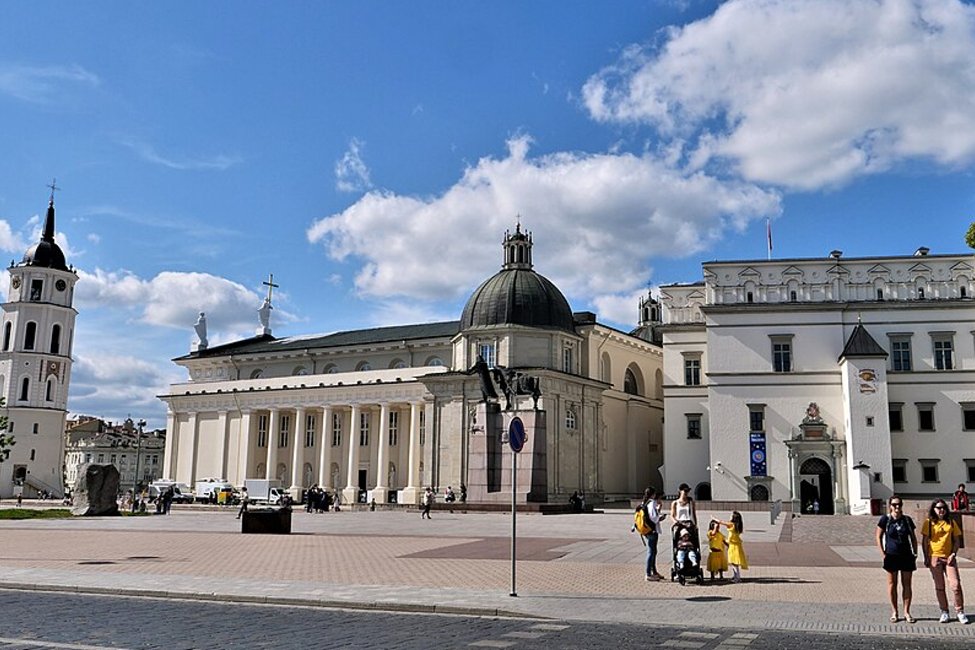
Reading Time: 5 minutesThe best free things to do in Vilnius, Riga and Tallinn are their UNESCO-listed Old Towns, free walking tours, hilltop and tower views, Art Nouveau streets, cathedrals, parks, street art districts, and monthly free museum days. You can fill several days in each capital without paying for a single ticket. This guide shows what is genuinely free, what is only half free, and how to plan it. Details below were cross-checked against official tourism sources, including Go Vilnius and Visit Estonia, plus local guides such as Riga Sights, and reviewed in October 2026. Opening hours and free-entry rules change, so confirm anything time-sensitive before you go. Read More: What to Pack for a Baltic States Tour Free Things to Do in the Baltic Capitals at a Glance City Best free walk Best free view Best free culture Vilnius Old Town and Užupis Gediminas Hill Vilnius Cathedral, street art Riga Vecrīga and Art Nouveau streets Free library visitor pass (bring ID) Powder Tower war museum Tallinn Old Town walls and lanes Toompea platforms Alexander Nevsky Cathedral Free Things to Do in Vilnius Vilnius is the most relaxed of the three, and its bohemian side costs nothing. The walk up to the hilltop castle tower is free and rewards you with a wide view over the Old Town rooftops and the Neris River. Only the museum inside the tower charges admission. Read More: Where Is Lithuania Located? Book Your Latvia Tour Now! Visit Vilnius Cathedral and nearby churches The neoclassical cathedral on Cathedral Square is free to enter. Many baroque churches in the Old Town are also free, which makes them good rain-day stops. Wander the Republic of Užupis This self-declared artists’ republic across the Vilnia River is known for its quirky constitution, displayed on a wall in many languages, and for free art around every corner. Pair it with Vilnius’s street art scene for an easy afternoon. Time your visit for free museum days Go Vilnius notes that on the last Sunday of every month, many museums open their doors with free admission. The MO Museum and National Gallery of Art also host free talks and events from time to time. Free Things to Do in Riga Riga rewards anyone who loves architecture, and most of it is outdoors. Walk Vecrīga, the Old Town Riga’s historic center is a UNESCO World Heritage Site and free to explore day or night. Look for the House of the Blackheads facade, the Three Brothers houses, and the cathedral square. See the Art Nouveau district Riga is often described as having more Art Nouveau buildings than any other city. Streets such as Alberta iela are a free open-air gallery, so look up at the carved faces and ornate balconies. Use the free museum and library options The Latvian War Museum in the Powder Tower is free to enter. Bring ID to the National Library of Latvia for a visitor pass, which gives free access to its exhibitions and city views. The ground floor of the former KGB building, the Corner House, also has a free exhibition, though its basement cell tour is paid. Read More: Estonian Culture and Traditions: A Complete Guide Trending New Year Latvia Vacation Package : New Years in Riga December 4 Days / 3 Nights The Grand Tour of Lithuania (13 Days, 12 Nights) Book Your Latvia Tour Now! Explore the Central Market and green spaces Browsing the huge market halls costs nothing, and the parks around the canal make an ideal picnic spot. For a beach day, Jūrmala is a short train ride away, so it is only semi-free. Free Things to Do in Tallinn Tallinn packs the most free sightseeing into the smallest area. Walk the medieval Old Town Tallinn’s Old Town is another UNESCO-listed site. A self-guided loop past Town Hall Square, the city wall, and St. Catherine’s Passage is free. Collect views from Toompea Hill The Kohtuotsa and Patkuli viewing platforms give classic red-roof panoramas over the Old Town and the Baltic Sea. Step inside Alexander Nevsky Cathedral The Russian Orthodox cathedral on Toompea is free to enter. Dress modestly and keep your voice low. Use Free Museum Sunday On the first Sunday of each month, museums run by the city of Tallinn are free, including the Kiek in de Kök bastion museum. Several city galleries are free every day, and the Contemporary Art Museum of Estonia has been listed as free by travel guides. Explore Kalamaja, Telliskivi and Kadriorg Park Kalamaja and the Telliskivi creative hub are packed with street art and open-air markets. Kadriorg Park, with its palace gardens, is Tallinn’s grandest green space. Read More: Which Baltic Country to Visit First? Lithuania, Latvia or Estonia Trending New Year Latvia Vacation Package : New Years in Riga December 4 Days / 3 Nights The Grand Tour of Lithuania (13 Days, 12 Nights) Book Your Latvia Tour Now! Free Walking Tours: How They Really Work All three capitals offer daily free walking tours, usually led by local guides. They are “free” because you pay what you think the tour was worth at the end. Tipping is customary, so budget a few euros per person. Choose one orientation tour on day one, then an alternative or themed tour if you want street art, Soviet history, or Jewish heritage. Free vs. Paid: A Quick Checklist Usually free: the attraction’s exterior, grounds, or viewing hill is free. Often paid: museum rooms inside a free-to-visit building, tower climbs, and basement tours. Bring with you: carry ID for Riga’s library pass, and check each museum’s free days. Check the calendar: Tallinn’s first Sundays and Vilnius’s last Sundays can be crowded. Which Capital Should You Pick for Free Sightseeing? If you want… Choose A laid-back, artsy mood Vilnius Architecture and Art Nouveau Riga Medieval views in a compact area Tallinn One free-heavy weekend Tallinn, because the sights sit close together Practical Tips for Visiting All Three Walk a lot: Most free sights are walkable, so pack comfortable shoes for cobblestones. Travel
What to Buy in the Baltics: Souvenir Guide
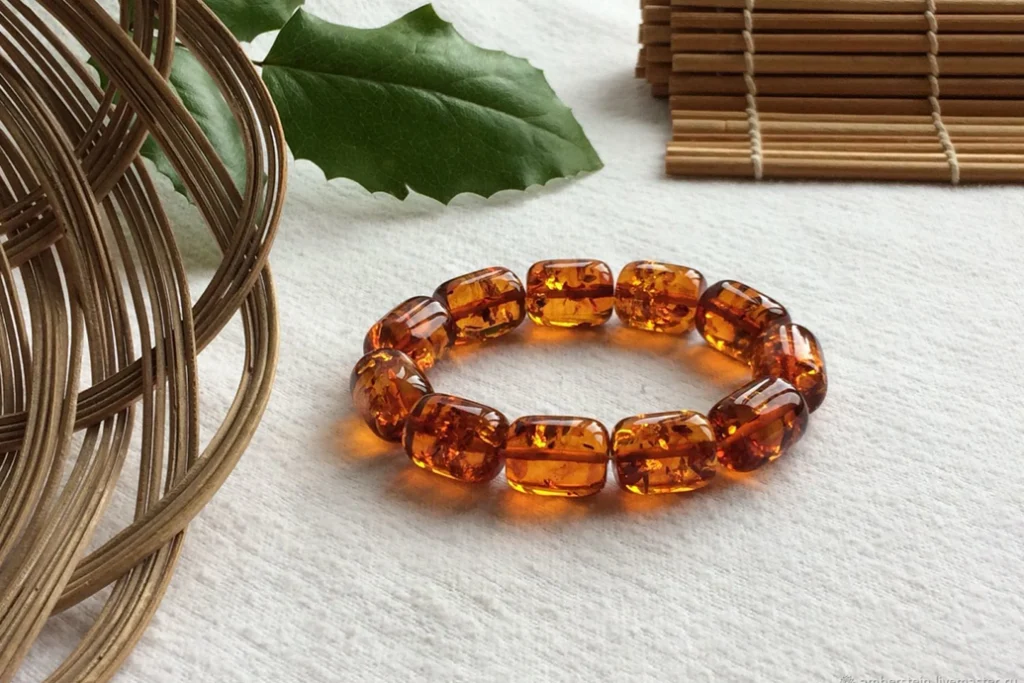
Reading Time: 7 minutesThe best souvenirs to buy in the Baltics are items that reflect the region’s craft traditions, natural materials, food culture, and design. In Estonia, Latvia, and Lithuania, look for linen textiles, wool accessories, handmade ceramics, woodcraft, local sweets, and contemporary products by independent makers. Baltic amber is especially associated with Lithuania and the wider Baltic coast, but an amber item sold in Estonia is not necessarily made there. The right choice depends on your budget, luggage space, and whether you want something decorative, useful, edible, or easy to carry home. Although Estonia, Latvia, and Lithuania share a coastline and some cultural influences, each country has its own creative identity. A good souvenir guide should help you tell the difference, recognize quality, and avoid buying something marketed as local when its origin is unclear. Ask sellers where an item was made—not just where it is being sold—and use the ideas below as a starting point. Read More: 30 Interesting Facts About Latvia 1. Baltic Amber: A Classic Souvenir from the Coast Amber is fossilized tree resin, prized for its warm honey, cognac, and milky shades. It is strongly associated with Lithuania’s Baltic coast and the historic amber trade. You’ll find it fashioned into necklaces, earrings, pendants, bracelets, and small decorative objects in markets and jewelry shops. If you shop for amber in Estonia, remember that amber is not an Estonian-origin product simply because it is sold there; ask where the material and finished jewelry come from. How to choose amber jewelry Ask whether the piece is natural amber, pressed amber made from smaller fragments, or an imitation material. These can look similar in a shop window but differ in composition and value. Request a receipt that describes the item accurately, and be cautious of unusually low prices for large, flawless stones. Avoid destructive home tests, which can damage jewelry. If the piece is expensive, buy from a reputable jeweler who can explain its origin and provide documentation. Amber is lightweight and easy to pack, but delicate settings and thin chains can tangle or break. Store it in a soft pouch rather than loose in a bag. 2. Linen and Natural-Fiber Textiles Linen is a practical souvenir because it is lightweight, durable, and easy to use at home. Look for table runners, tea towels, napkins, scarves, tote bags, and simple clothing. Traditional woven patterns may draw on regional folk design, while newer makers often use muted colors and minimalist shapes. Check the fiber label instead of assuming every beige textile is linen. Feel the fabric, inspect the seams, and ask where it was woven or sewn. Linen wrinkles naturally, so a slightly rumpled appearance is not necessarily a sign of poor quality. If you want a gift that fits easily in a suitcase, a small tea towel or napkin set is a sensible option. Read More: Which Baltic Country to Visit First? Lithuania, Latvia or Estonia Trending New Year Latvia Vacation Package : New Years in Riga December 4 Days / 3 Nights The Grand Tour of Lithuania (13 Days, 12 Nights) Book Your Latvia Tour Now! 3. Wool Mittens, Socks, and Knitted Accessories Wool hats, mittens, socks, and scarves make useful souvenirs, particularly if you visit in autumn or winter. Look for hand-knitted pieces with geometric patterns or colors inspired by local folk costumes. Markets and craft shops may offer both handmade products and factory-made versions. Ask whether an item is hand-knitted and what fiber it contains. Wool blends can be softer or easier to care for, while pure wool may need more careful washing. Check the label for cleaning instructions, and gently inspect the inside for loose ends or uneven finishing. For a compact gift, mittens and socks are easier to pack than bulky sweaters. 4. Ceramics, Woodcraft, and Handmade Homewares Pottery, wooden utensils, carved objects, candleholders, and small home decorations bring Baltic craft into everyday life. Contemporary studios may pair clean, modern forms with natural textures, while traditional pieces can feature folk motifs or local materials. When shopping for ceramics, check for chips, hairline cracks, and uneven glazing. If you plan to use a bowl or mug for food, confirm that the glaze is food-safe. For wooden kitchenware, ask what finish was used and how to care for it. Choose smaller pieces if you are traveling with limited luggage, and ask the shop to wrap fragile items securely for the journey. 5. Local Food and Sweets to Bring Home Edible souvenirs are excellent for people who prefer something to share rather than display. Depending on the country and season, look for Lithuanian šakotis tree cake, Latvian rye-bread products or sweets, Estonian marzipan, chocolates, herbal teas, honey, and preserves. Specialty food shops often make it easier to compare ingredients and packaging than busy tourist stalls. Before buying food for an international flight, check your destination’s customs and agricultural rules. Meat, dairy, fresh produce, seeds, and some homemade foods may be restricted, especially when entering countries with strict biosecurity rules. Factory-sealed sweets and dry goods are often simpler to transport, but rules still vary. Check the official customs authority for your destination before purchasing. Look at the ingredient list, best-before date, and storage instructions. If you are buying a delicate cake or glass jar, ask whether the seller has travel packaging. Avoid buying more than you can realistically carry or consume. Read More: Where Is Lithuania Located? Book Your Latvia Tour Now! 6. Folk-Inspired Jewelry, Prints, and Modern Baltic Design Which Baltic Souvenir Should You Buy? If you want… Consider buying… Before you pay A lasting keepsake Amber jewelry or handmade ceramics Ask about materials, maker, and authenticity. A useful gift Linen towels, wool socks, or mittens Check fiber content and care instructions. A low-bulk souvenir Prints, postcards, small jewelry Protect paper and delicate pieces in your luggage. Something to share Sealed sweets, tea, or packaged local treats Check ingredients, date, and import rules. A design-led gift Work from an independent Baltic artist Look for the artist or studio name
Šakotis: The Story Behind Lithuania’s Iconic Tree Cake
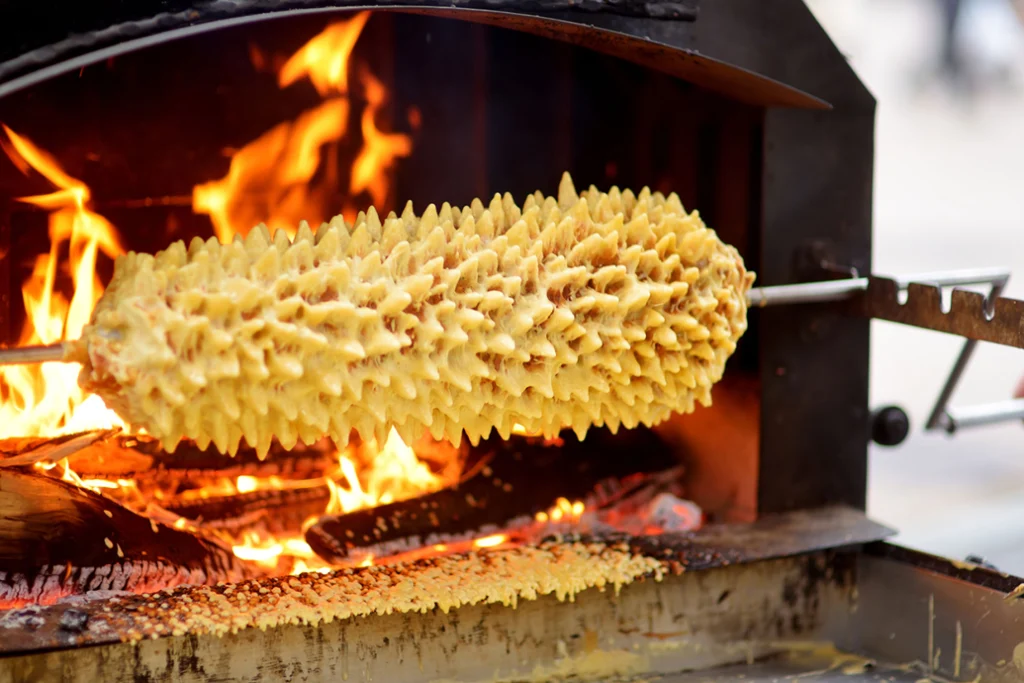
Reading Time: 6 minutesŠakotis is a traditional Lithuanian tree cake known for its tall, hollow center and golden, branch-like spikes. Made from an egg-rich batter with ingredients such as flour, butter, sugar, and cream or sour cream, it is baked by slowly rotating a spit or mould while thin layers of batter are poured over it. The turning motion and dripping batter create its unmistakable silhouette. In Lithuania, šakotis is more than an eye-catching dessert. It is associated with weddings, Christmas, Easter, and other important family gatherings, where its size and unusual shape make it a natural centerpiece. For visitors, tasting tree cake is a delicious way to explore Lithuanian food culture—and watching it being made can be just as memorable as eating it. Read More: What to Pack for a Baltic States Tour Read More: What to Pack for a Baltic States Tour The Lithuanian word is related to šaka, meaning “branch.” The cake’s name reflects the uneven projections that form as batter drips and sets around the rotating centre. It is also known as raguolis, a name associated with its horned or spiked appearance. The cake is usually tall and conical, with a hollow middle where the baking spit or mould once sat. Its texture differs from a typical frosted layer cake. Thin outer tips can be crisp and toasted, while thicker sections are more substantial and buttery. Šakotis is often served in broken or sliced pieces alongside coffee or tea, rather than smothered in icing. How Is Traditional Šakotis Made? The process takes patience, heat control, and a steady hand. A baker prepares a pourable batter, traditionally using wheat flour, eggs, butter, sugar, and cream or sour cream. Recipes vary by region, bakery, and family, so no single ingredient ratio represents every Lithuanian tree cake. Read More: Where Is Lithuania Located? Book Your Latvia Tour Now! The baking process, step by step Prepare the batter: The ingredients are mixed until the batter can be poured in a thin stream. Heat the rotating spit: A wooden or metal mould is positioned near an open fire or inside a specialized oven. Add thin layers: The baker pours or drizzles batter over the rotating mould, allowing it to set before adding more. Build the branches: As batter drips and browns, it forms irregular points around the cake. Cool and remove: Once baked, the cake is cooled enough to release from the mould and may be served plain or decorated. Traditional open-fire baking is a craft that requires attention throughout the process. Today, some producers use modern equipment, while others demonstrate older techniques over a wood fire. The method matters because it shapes both the cake’s appearance and its toasted flavour. The History Behind Lithuania’s Tree Cake Šakotis belongs to a wider European family of spit cakes, which are made by applying batter or dough around a rotating rod and baking it as it turns. Similar cakes exist in neighboring countries under different names and with their own local methods. This shared culinary history makes tree cake an example of how food traditions travel across borders and become rooted in local celebrations. Some tourism accounts connect the cake’s origins to medieval monastic baking, but the documented history of its production in Lithuania is more nuanced. Lithuania’s national encyclopedia describes tree cakes becoming established in the country in the second half of the 19th century, first in manor houses and religious settings, before the skill spread more widely. By the early 20th century, home cooks and culinary courses helped keep the tradition alive. The safest way to tell its story is to distinguish tradition from certainty: recipes and techniques developed over time, and claims about a single inventor or exact birthplace should be treated cautiously. What is clear is that šakotis became a celebrated Lithuanian festive cake and remains a recognizable symbol of the country’s culinary heritage. Why Šakotis Is Served at Special Occasions The cake’s scale and dramatic shape make it well suited to a shared celebration. It is commonly associated with weddings and other milestone gatherings, as well as major holidays such as Christmas and Easter. A whole cake can be placed in the center of a table, then broken or sliced so guests can share it. For many families, the cake also carries memories of relatives, local bakeries, and the work involved in preparing food for guests. Traditions differ from household to household, so it is better to think of šakotis as a familiar celebration food than as a rule followed by every Lithuanian family. Read More: Which Baltic Country to Visit First? Lithuania, Latvia or Estonia Trending New Year Latvia Vacation Package : New Years in Riga December 4 Days / 3 Nights The Grand Tour of Lithuania (13 Days, 12 Nights) Book Your Latvia Tour Now! Feature What to know Why it matters Main ingredients Eggs, wheat flour, butter, sugar, cream or sour cream Creates a rich batter that browns in layers. Distinctive shape Tall cone with branch-like spikes and a hollow center The rotating spit and dripping batter form the pattern. Texture Crisp, toasted tips with denser inner sections A different bite from soft frosted cake. Occasions Weddings, Christmas, Easter, and family celebrations Often served as a shared centerpiece. Related cakes Spit cakes found in parts of Central and Eastern Europe Shows a broader regional baking tradition. Where Can You Try Šakotis in Lithuania? Start with a traditional bakery or a food-focused cultural experience. Lithuania Travel highlights šakotis as a local specialty and recommends it as an edible souvenir. In Vilnius, Go Vilnius lists experiences where visitors can learn about tree-cake baking, and some bakers offer demonstrations or hands-on sessions. A visit to a specialist producer can help you see how the batter is applied and how the branches develop. If you want to include a baking demonstration in your itinerary, contact the venue in advance. Ask whether the session is available on your dates, how long it lasts, whether reservations are required, and whether visitors can taste
Solo travel in the Baltics: top tips, reasons to go and best places to visit
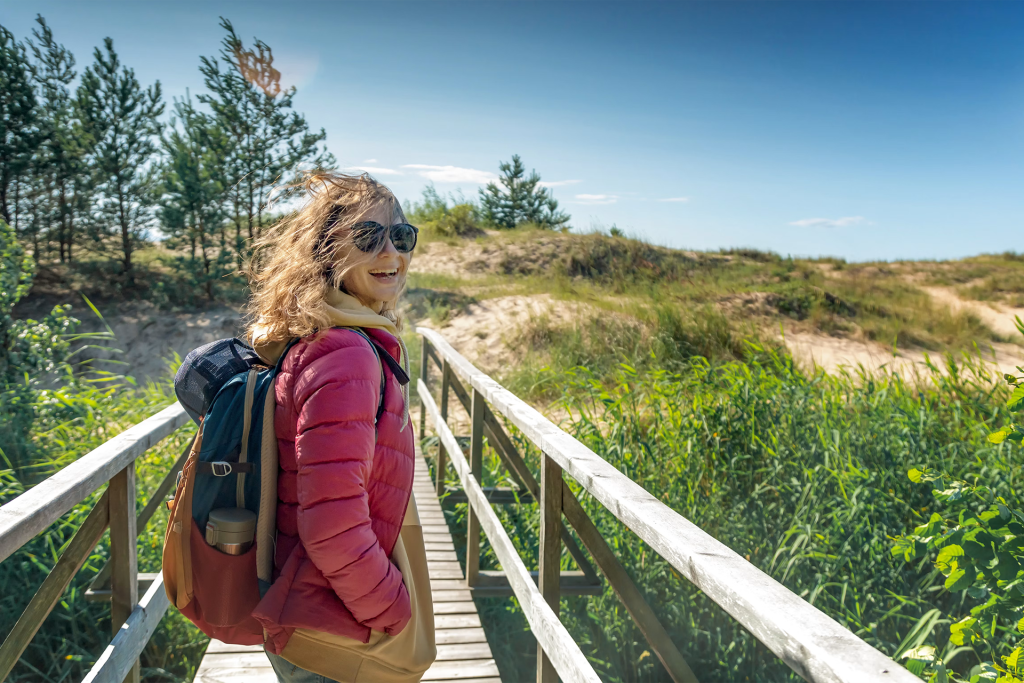
Reading Time: 6 minutesSolo travel in the Baltics is an excellent choice for travelers who want European history, beautiful cities, nature, and authentic local experiences without the crowds of Western Europe’s most famous destinations. The Baltic region includes Estonia, Latvia, and Lithuania, three countries connected by geography but each with its own culture, architecture, food traditions, and personality. For solo travelers, the Baltics offer a comfortable mix of walkable capitals, reliable transportation, affordable accommodation, welcoming cafes, and easy opportunities to explore independently. Whether you want medieval streets, coastal landscapes, national parks, museums, or local cuisine, the region provides plenty of options for a memorable solo adventure. Read More: Estonian Culture and Traditions: A Complete Guide Why choose the Baltics for solo travel? Many travelers choose the Baltics because the region offers a different side of Europe. The countries are compact, making it possible to experience several destinations during one trip, while still allowing enough time to slow down and explore. Key reasons solo travelers enjoy the Baltics include: Key reasons solo travelers enjoy the Baltics include: Rich history: Medieval architecture, castles, Soviet-era landmarks, and modern creative districts create a layered travel experience. Budget-friendly experiences: Compared with many Western European destinations, accommodation, dining, and activities can be more affordable. Budget-friendly experiences: Compared with many Western European destinations, accommodation, dining, and activities can be more affordable. Best Baltic countries for solo travelers Country Best For Highlights Estonia First-time solo travelers and digital nomads Tallinn Old Town, islands, forests, modern technology culture Latvia City experiences and food lovers Riga architecture, Central Market, beaches, Gauja National Park Lithuania History, culture, and value Vilnius Old Town, Trakai Castle, Curonian Spit Top places to visit during solo travel in the Baltics Tallinn, Estonia Tallinn is often the easiest starting point for a Baltic solo trip. Its UNESCO-listed Old Town, charming streets, viewpoints, museums, and cafes make exploring alone simple and enjoyable. Travelers can combine medieval attractions with modern neighborhoods such as Kalamaja, known for creative spaces and local restaurants. Read More: Best Things To Do In Rēzekne, Latvia (Travel Guide) Trending Grand Tour Lithuania Vacation Package : The Grand Tour of Lithuania (13 Days, 12 Nights) Book Your Latvia Tour Now! Why Visit Tallinn? It feels wonderfully unhurried: Tallinn has enough to explore without making you feel like you’re racing from one attraction to another. Medieval, but not stuck in the past: Stone lanes and old buildings sit alongside creative spaces, modern cafés, and contemporary design. Perfect for wandering: One of the best parts is simply choosing a street and seeing where it leads. Small city, big change of scenery: In a short time, you can move from the Old Town to colorful neighborhoods, peaceful parks, or the waterfront. It rewards curiosity: The city feels better when you explore beyond the obvious sights and notice small details—courtyards, stairways, local shops, and tucked-away cafés. A great place to slow down: Tallinn gives you plenty of opportunities to sit, walk, people-watch, and enjoy the atmosphere instead of constantly checking your itinerary. There’s a creative side to discover: Areas such as Kalamaja and Telliskivi add a completely different personality to the historic center. It works in every season: Snowy streets, bright summer evenings, colorful autumn walks, or crisp spring days can make the same city feel completely different. You can experience a lot without feeling overwhelmed: Tallinn is compact enough for a short trip but layered enough to keep you curious for several days. The biggest reason? Tallinn doesn’t feel like a city you simply “tick off.” It feels like a place you gradually get to know Riga, Latvia Riga offers a larger city atmosphere with impressive Art Nouveau architecture, historic neighborhoods, markets, and a lively cultural scene. Solo visitors can enjoy walking tours, explore the Old Town, visit museums, and take day trips to nearby nature areas such as Gauja National Park. Why Visit Riga? The architecture keeps surprising you: One street can feel medieval, while the next is filled with dramatic Art Nouveau buildings. It has a lived-in feel: Riga feels like a real working city rather than a destination built only around tourists. The Old Town is easy to explore: Wander without a strict plan and you’ll find quiet courtyards, tiny streets, and unexpected corners. Art Nouveau is everywhere: Looking up while walking around central Riga can be as rewarding as visiting a specific attraction. Food feels part of the experience: Riga Central Market is a great place to see the city through its everyday flavors and local produce. It has different personalities: Historic streets, wooden houses, lively cafés, and modern spaces give Riga more variety than you might expect. It’s a city for slow wandering: You can spend an afternoon exploring without needing to fill every hour with attractions. My favorite part: Riga feels slightly unexpected—you arrive for the architecture but stay curious about the neighborhoods and everyday life. Vilnius, Lithuania Vilnius is known for its baroque architecture, relaxed atmosphere, and one of Europe’s largest historic centers. Solo travelers can explore churches, local cafes, Užupis artistic district, and nearby attractions including Trakai Castle. Read More: Lukiškės Prison 2.0 – All You Need to Know (Travel Guide) Trending New Year Latvia Vacation Package : New Years in Riga December 4 Days / 3 Nights The Grand Tour of Lithuania (13 Days, 12 Nights) Book Your Latvia Tour Now! Why Visit Vilnius? It feels green and spacious: Parks, hills, trees, and rivers regularly interrupt the historic streets, making the city feel surprisingly relaxed. The Old Town has layers: Gothic, Renaissance, Classical, and Baroque buildings sit close together, so every walk reveals a different visual detail. Užupis changes the mood: Cross into this quirky riverside neighborhood and the atmosphere suddenly becomes more artistic and unconventional. There are views worth chasing: Climbing to places such as Subačius or the Hill of Three Crosses gives you a completely different perspective of the city. It rewards getting slightly lost: Some of the nicest moments come from wandering away from the main streets and
15 Best Places to Visit in Latvia With Kids | Family Guide
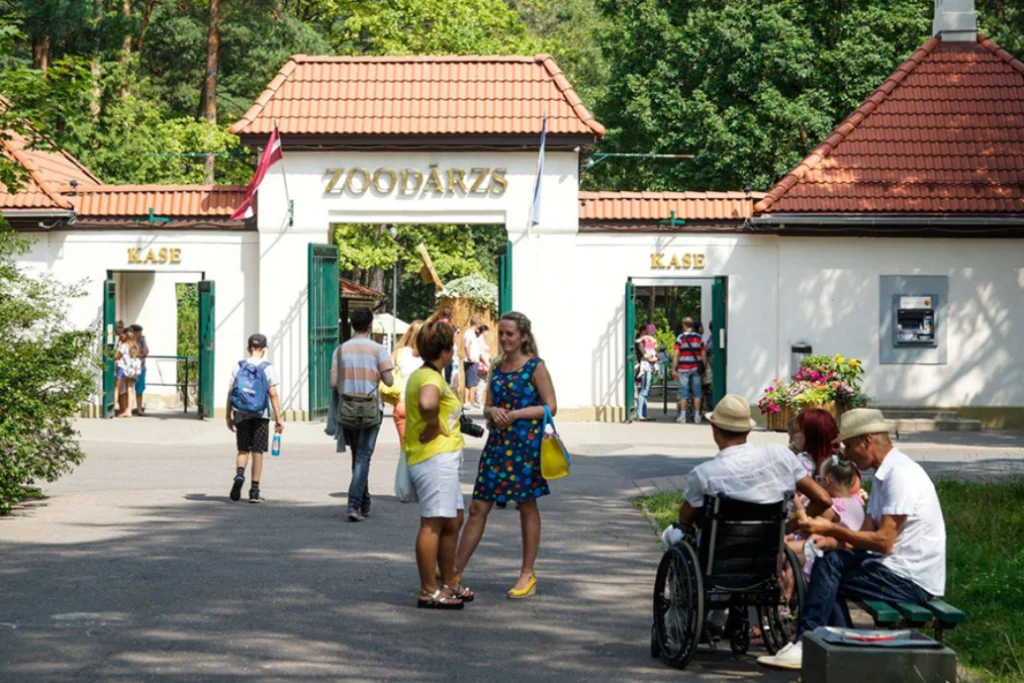
Reading Time: 7 minutesLatvia is one of those destinations that surprises families in the best possible way. It does not compete with Europe’s biggest capitals with massive theme parks or endless attractions. Instead, Latvia offers something many parents are searching for today: meaningful experiences, beautiful nature, slower travel, and places where children can actually explore. The best places to visit in Latvia with kids combine outdoor adventures, cultural discoveries, wildlife encounters, and hands-on activities. Children can walk through fairy-tale forests, climb castle towers, watch animals, play beside the Baltic Sea, and learn stories that make history feel alive. Another reason Latvia works so well for families is its size. You can enjoy Riga’s city attractions, relax on the beaches of Jūrmala, and reach forests or historic towns without spending entire days traveling. This guide covers the top family-friendly destinations in Latvia, including what to do, who each place is best for, useful travel tips, and what parents should know before visiting. Read More: Estonian Culture and Traditions: A Complete Guide 1. Riga – The Best First Stop for a Latvia Family Trip Riga is the natural starting point for most family vacations in Latvia. The capital city offers a comfortable mix of history, entertainment, green spaces, and easy sightseeing. Many parents worry that city breaks can become tiring for children, but Riga is surprisingly family-friendly. The city has attractions where kids can move, interact, and enjoy themselves instead of simply following adults through museums. Things to do with kids in Riga: Visit Riga Zoo to see animals from around the world. Explore Mežaparks for playgrounds, walking paths, and outdoor activities. Take a relaxing canal boat ride. Walk through the Old Town while stopping for treats and breaks. Visit interactive museums such as the Riga Motor Museum. Useful insight: Do not try to see everything in Riga in one day. Families enjoy the city more when they combine sightseeing with playground breaks, cafés, and relaxed walks. 2. Jūrmala – A Perfect Baltic Beach Escape Just outside Riga, Jūrmala feels like a completely different world. This beautiful seaside destination is famous for its long sandy beaches, wooden houses, pine forests, and relaxing atmosphere. For children, Jūrmala is simple happiness: sand, water, fresh air, and space to play. The shallow coastal waters and wide beaches make it a comfortable choice for families during summer. Things to do in Jūrmala: Spend a full day at the beach. Visit Dzintari Forest Park with playgrounds and walking areas. Ride bicycles along coastal paths. Enjoy seaside cafés and family-friendly restaurants. Useful insight: Jūrmala is a great “rest day” destination. After several days of sightseeing, families can slow down and let children enjoy unstructured play. Read More: Best Things To Do In Rēzekne, Latvia (Travel Guide) Trending Grand Tour Lithuania Vacation Package : The Grand Tour of Lithuania (13 Days, 12 Nights) Book Your Latvia Tour Now! 3. Tērvete Nature Park – A Real Fairy-Tale World for Children Tērvete Nature Park is one of Latvia’s most magical family attractions. The park combines forests, imagination, storytelling, and outdoor adventure. Children do not simply walk through the park; they enter a world filled with fairy-tale characters, wooden sculptures, themed areas, and surprises around every corner. Things to do: Explore the Fairy Tale Forest. Visit the Dwarf Village. Enjoy walking trails. Take the fairy-tale train. Join educational workshops. Useful insight: Plan several hours here. Many families underestimate the size of the park and leave too early. It is designed as a full family day experience. 4. Gauja National Park – Nature, Castles, and Adventure Gauja National Park is one of Latvia’s greatest natural treasures. It is the country’s oldest and largest national park, known for forests, sandstone cliffs, caves, scenic landscapes, and historic monuments. Families who enjoy outdoor experiences will love this region because it combines nature and history in one destination. Things to do: Visit Turaida Castle. Explore caves and viewpoints. Walk easy family trails. Visit Līgatne Nature Trails. Enjoy scenic drives through the Gauja Valley. Useful insight: Do not treat Gauja National Park as a quick stop. The area is large, and families should choose a few attractions instead of rushing between locations. 5. Sigulda – Latvia’s Adventure Playground Sigulda is where families go when they want excitement. Located inside the Gauja region, this town offers adventure, beautiful views, and historic attractions. Things to do: Ride the cable car across the valley. Visit Sigulda Castle. Try adventure parks. Enjoy seasonal activities. Useful insight: Sigulda works especially well for families with children of different ages because younger kids can enjoy sightseeing while older children can choose more active experiences. 6. Cēsis – A Medieval Town Where History Comes Alive Cēsis is one of Latvia’s most charming historic towns. It gives children the chance to experience medieval history in a way that feels like an adventure. The highlight is Cēsis Castle, where families can explore historic areas and imagine life hundreds of years ago. Read More: Lukiškės Prison 2.0 – All You Need to Know (Travel Guide) Trending New Year Latvia Vacation Package : New Years in Riga December 4 Days / 3 Nights The Grand Tour of Lithuania (13 Days, 12 Nights) Book Your Latvia Tour Now! Things to do: Explore Cēsis Castle. Walk through the old town. Visit nearby parks. Enjoy local cafés. Useful insight: Cēsis is best enjoyed slowly. Give children time to explore rather than treating it as a quick photo stop. 7. Ventspils – A Coastal City Designed for Families Ventspils is one of Latvia’s most family-oriented destinations. The city is known for clean public spaces, beaches, parks, and attractions created with children in mind. Things to do: Visit Ventspils Beach. Explore adventure parks. Visit science and entertainment attractions. Enjoy playgrounds and outdoor spaces. Useful insight: Ventspils is especially good for families traveling with younger children because many attractions are easy, accessible, and low-stress. 8. Līgatne Nature Trails – A Wildlife Experience Kids Remember Līgatne Nature Trails offer families a chance to see Latvian wildlife in a natural
Best eSIM for International Travel

Reading Time: 7 minutesThe best eSIM for international travel depends on your destination, trip length, data usage, and whether you need hotspot, calls, texts, or a local number. There is no single provider that is objectively best for every traveler. Current 2026 comparisons commonly feature Airalo, Holafly, Saily, Nomad, and Ubigi, but their plan structures differ enough that the right choice can change from one trip to another. For most travelers, start with coverage rather than price: make sure every country on your itinerary is included, then compare data, validity, network access, hotspot rules, activation timing, and support. This is more reliable than choosing a provider simply because it advertises the lowest starting price. Read More: Estonian Culture and Traditions: A Complete Guide What Is an eSIM for International Travel? An eSIM is a digital SIM profile that lets a compatible device connect to a mobile network without inserting a physical SIM card. A travel eSIM is usually purchased before or during a trip and can provide prepaid mobile data in another country or region. Apple confirms that travelers can use existing carrier roaming, purchase a local eSIM, or use a worldwide travel eSIM provider. Many travel eSIMs are data-only. You can still use WhatsApp, iMessage, FaceTime, email, maps, and other internet-based services, while your primary SIM can remain available for calls or texts if your phone and carrier support dual-SIM use. Best eSIM Providers for International Travel Instead of treating one brand as the universal winner, compare providers according to the travel scenario they are designed to handle. Current provider information and 2026 comparison pages show meaningful differences in coverage, plan format, unlimited-data options, hotspot policies, and app features. Provider May suit travelers who want… Key consideration Airalo Broad local, regional, and global plan choice Check the exact destination plan, network, data allowance, and validity Holafly Unlimited-data-style plans for heavy users Check the plan’s fair-use and hotspot terms Saily Fixed-data or unlimited options plus app-based security features Features and pricing vary by destination and plan Nomad Flexible fixed-data plans and regional options Check coverage and hotspot rules for your route Ubigi Reusable eSIM options and regional/country plans Verify destination coverage and duration Airalo currently advertises local, regional, and global eSIMs across 200+ locations, with both fixed-data and unlimited options in its global offerings. Holafly currently promotes unlimited-data travel plans across 200+ destinations, but travelers should review the individual plan’s conditions, particularly hotspot provisions. How to Choose the Best International eSIM for Your Trip 1. Check every country on your itinerary A country eSIM may work well for one destination but become inconvenient if you cross borders. For multi-country travel, compare regional or global plans and confirm that every stop is covered. Do not assume a plan labeled “Europe,” “Asia,” or “Global” includes every place you intend to visit. Read More: Best Things To Do In Rēzekne, Latvia (Travel Guide) Trending Grand Tour Lithuania Vacation Package : The Grand Tour of Lithuania (13 Days, 12 Nights) Book Your Latvia Tour Now! 2. Match the plan to your data usage A light traveler who mainly uses maps, messaging, ride-hailing, email, and occasional social media may need far less data than someone streaming video, uploading files, or working remotely. Buying unlimited data can be unnecessary for light use, while a small fixed-data package may be inconvenient for a heavy user. 3. Compare total cost, not the headline price A plan advertised as “starting at” a low price may include only a small data allowance or short validity. Compare the total cost for the days you need, included GB, top-up prices, and any checkout charges. 4. Check network and speed details An eSIM brand is not itself the mobile network. Travel eSIM providers partner with local carriers, so performance can vary by destination. Check which networks the plan can use and whether 4G LTE or 5G is supported. 5. Check hotspot, calls, and texts If you will work from a laptop or share data, verify hotspot support. Also check whether the plan is data-only or includes voice and SMS. People who need a traditional local number may need a different plan or local SIM. 6. Check activation rules before you install Some eSIMs begin validity when they connect at the destination; others can start counting down upon installation. Airalo’s support information specifically advises customers to check the activation policy before installation. Is an eSIM Better Than International Roaming? Not automatically. A travel eSIM can provide a separate prepaid data option, but your existing carrier may already include international roaming or offer a travel pass. Apple recommends checking your carrier’s international options before traveling. For short trips, compare the total roaming cost with the eSIM cost. Also consider convenience: keeping your primary line active may help with bank verification messages, calls, or services tied to your home number. Read More: Lukiškės Prison 2.0 – All You Need to Know (Travel Guide) Trending New Year Latvia Vacation Package : New Years in Riga December 4 Days / 3 Nights The Grand Tour of Lithuania (13 Days, 12 Nights) Book Your Latvia Tour Now! How Much eSIM Data Do You Need? Travel style Typical activities What to look for Light use Maps, messaging, email, occasional browsing Small fixed-data plan Moderate use Social media, photos, navigation, music, browsing Medium fixed-data plan with top-up option Heavy use Video calls, remote work, frequent uploads Large-data or unlimited option; check hotspot Multi-country trip Several countries on one itinerary Regional or global plan covering every stop Long stay Several weeks or months Long-validity plan or local carrier option How to Set Up an eSIM Before You Travel First, confirm that your phone supports eSIM and is unlocked for another carrier. Purchase the plan while you have reliable Wi-Fi, install it according to the provider’s instructions, label it clearly, and review which line is selected for mobile data. Apple notes that travelers can keep their home SIM and use a travel eSIM for data on supported dual-SIM devices. Do not delete your primary SIM
What to Pack for a Baltic States Tour: A Season-by-Season Checklist
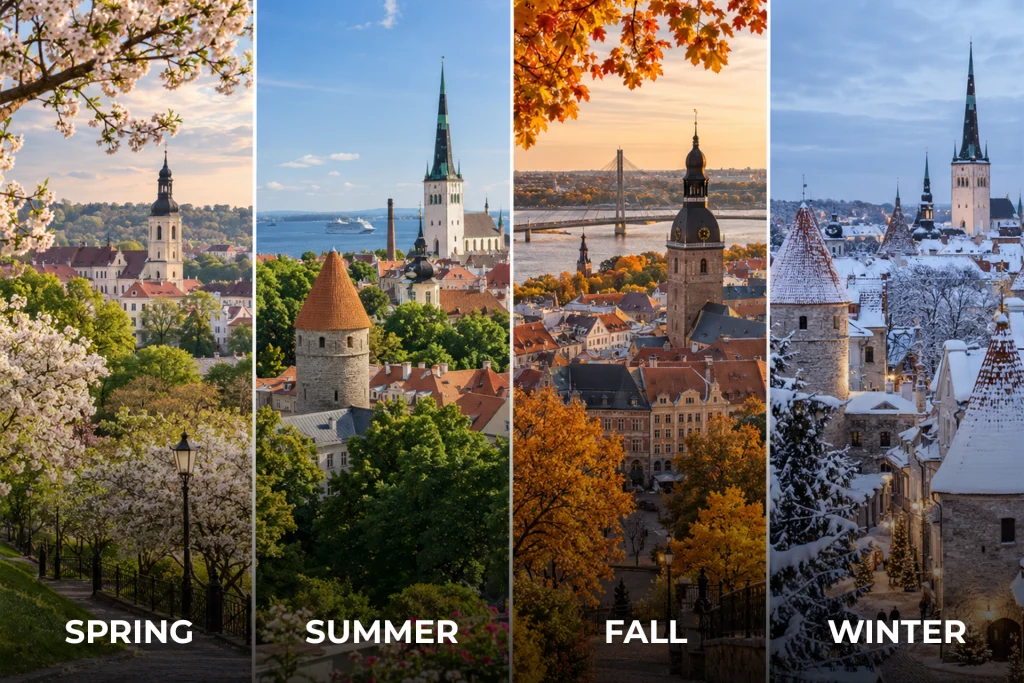
Reading Time: 7 minutesFor a Baltic States tour, pack in layers and prepare for changing weather. Lithuania, Latvia, and Estonia have four distinct seasons, and coastal wind, rain, cool evenings, and sudden temperature changes can affect what you need. A practical year-round suitcase should include comfortable walking shoes, a waterproof outer layer, versatile layers, travel documents, medications, chargers, and a small day bag. Then adjust the list for the season: light layers for summer, rain protection for spring and fall, and insulated clothing for winter. Estonia’s official tourism guidance similarly recommends flexible layers and wind- and waterproof clothing because conditions can change quickly. Read More: Explore Our Baltic States Travel Guide Baltic States packing checklist at a glance Season Weather to prepare for Clothing essentials Extra gear Best approach Spring Cool, windy, changeable, occasional rain T-shirts, sweater, light jacket, trousers Compact umbrella, waterproof shoes Layers you can add/remove Summer Mild to warm, occasional showers T-shirts, light pants/shorts, thin sweater Sunglasses, sunscreen, rain shell Lightweight and breathable Fall Cooler, rainy, shorter days Long sleeves, fleece/cardigan, raincoat Waterproof shoes, umbrella, light gloves Prioritize rain and warmth Winter Cold, windy, snow/ice possible Thermal base layers, insulated coat, warm pants Hat, gloves, scarf, winter boots Warmth and traction first What to pack for spring in the Baltics Spring is a transition season, so avoid packing as if the weather will stay consistently warm. Estonia’s official visitor guidance says spring weather can range from about 5°C to 17°C in Tallinn and recommends layers plus wind- and waterproof protection. Lithuania also describes spring as a distinct season with changing outdoor conditions. Light base layers: T-shirts, long-sleeve shirts and breathable tops. A fleece, cardigan or lightweight sweater for cool mornings. A windproof or waterproof jacket. Comfortable waterproof or water-resistant walking shoes. Compact umbrella and sunglasses. Light scarf and, for early spring, thin gloves. For a multi-city itinerary, choose pieces that work together rather than packing a separate outfit for every day. Spring is also a good time for museums, historic Old Towns and outdoor walks, so versatile footwear matters. Book Your Latvia Tour Now! What to pack for summer in the Baltics Summer is generally the easiest season for a Baltic States tour, but do not assume every day will be hot. Visit Estonia describes June through August as the main summer period, with long evenings and opportunities for beaches, islands, hiking and outdoor dining. Lithuania Travel notes that July averages about 17.9°C, although temperatures can reach 30°C on some days. Lightweight T-shirts and breathable tops. Shorts, lightweight trousers or skirts/dresses. A thin sweater, cardigan or hoodie for cool evenings. A light waterproof shell for showers. Comfortable sneakers or walking shoes. Sunglasses, sunscreen and a hat. Swimsuit if you plan to visit beaches, lakes or saunas. Pack at least one warmer layer even in midsummer. Tallinn’s seaside location can bring a noticeable breeze, and official city guidance recommends having something light to throw over your shoulders. Read More: House of the Blackheads Latvia: All You Need to Know Before Visiting Trending Grand Tour Lithuania Vacation Package The Grand Tour of Lithuania (13 Days, 12 Nights) Book Your Latvia Tour Now! What to pack for fall in the Baltics Fall is one of the most useful seasons for a flexible packing list because conditions can shift quickly. Tallinn’s official guidance describes September as potentially mild before temperatures generally cool toward late fall, with rain and even snow possible toward the end of November. Latvia also has a distinct fall season, with forests and outdoor landscapes becoming a major attraction. Long-sleeve shirts and breathable base layers. Jeans or other comfortable trousers. Fleece, sweater, or cardigan. Waterproof rain jacket or coat. Water-resistant walking shoes or boots. Compact umbrella. Scarf and light gloves for late fall. If your itinerary includes hiking or national parks, prioritize footwear with good grip. For city trips, waterproof sneakers or ankle boots can be more versatile than heavy hiking boots. What to pack for winter in the Baltics Winter requires the biggest change in your packing strategy. Latvia’s tourism authority notes that winter temperatures can sometimes reach -30°C, while Lithuania warns that temperatures can occasionally fall to -20°C or lower. [6][4] Estonia’s official Tallinn guidance recommends an insulated waterproof parka or coat, wool hat, mittens, scarf and snow or lined trekking boots. Insulated winter coat or waterproof parka. Thermal or moisture-wicking base layers. Warm mid-layer such as fleece or wool. Insulated trousers or warm pants. Wool or thermal socks. Warm waterproof boots with good traction. Hat that covers the ears, insulated gloves or mittens, and a Lip balm and moisturizer for cold, dry conditions. Reflective accessory if you will be walking in dark winter conditions. Winter footwear is especially important. Historic centers in Tallinn, Riga, and Vilnius can involve cobblestones, and snow or ice can make walking less comfortable. Choose warmth and traction over fashion when necessary. Read More: KGB Museum in Vilnius Guide (Museum of Occupation and Freedom Fights) Trending Grand Tour Lithuania Vacation Package The Grand Tour of Lithuania (13 Days, 12 Nights) Book Your Latvia Tour Now! Essential items for every Baltic States tour Passport and any required travel documents. Travel insurance information and emergency contacts. Prescription medications in their original packaging, plus a small personal first-aid kit. Phone, charging cable, and a suitable power adapter. Portable power bank for long sightseeing days. Reusable water bottle. Small daypack or crossbody bag. Copies or secure digital backups of important reservations and documents. Laundry bag and a few reusable packing cubes. The Baltics are well suited to walking-heavy itineraries, so a small day bag can be more useful than carrying a large backpack around historic centers. Pack medications and essential documents in your carry-on rather than checked luggage. What shoes should you pack for Estonia, Latvia and Lithuania? Bring comfortable walking shoes with good grip and some resistance to rain. If you are traveling in winter, use insulated waterproof footwear with traction. If you are traveling in summer, breathable sneakers can handle most city sightseeing, while sandals
Baltic Amber: Why Is It So Important to Lithuania?
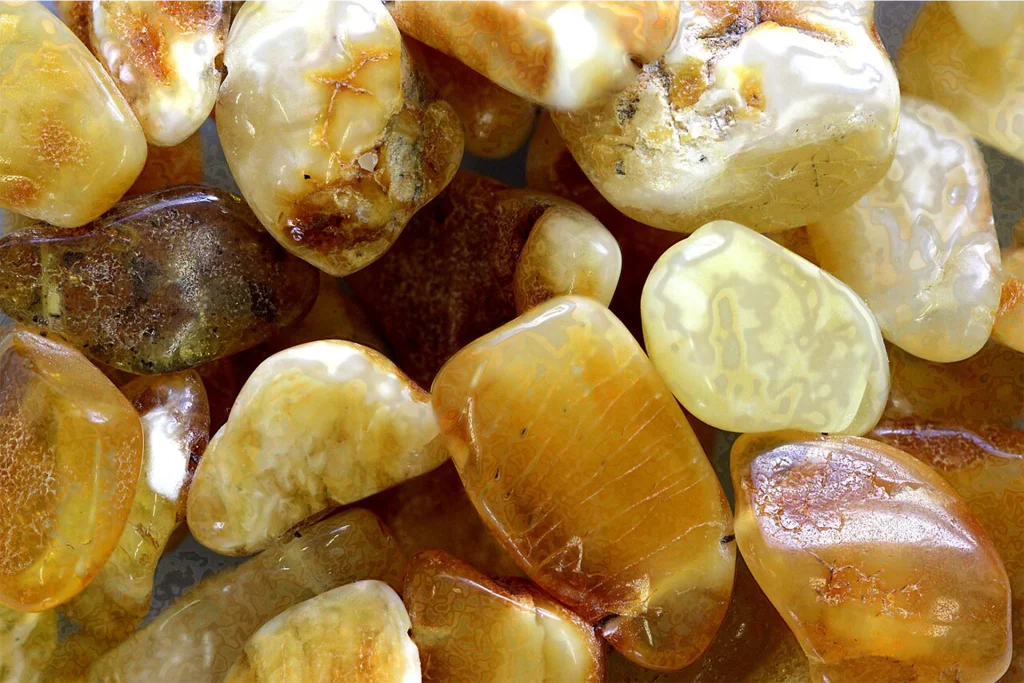
Reading Time: 7 minutesBaltic amber is important to Lithuania because it connects the country’s Baltic Sea coast with its ancient trade history, cultural identity, traditional crafts, and modern tourism. Often called “Lithuanian gold,” amber has been collected along the Baltic coast for centuries and became an important trade good linking the region with societies farther south. Today, amber remains a recognizable Lithuanian symbol, appears in jewelry and crafts, and is showcased in museums and coastal destinations such as Palanga and Nida. Read More: Explore Our Baltic States Travel Guide What is Baltic amber? Amber is fossilized tree resin that formed millions of years ago. Baltic amber, also known as succinite, is especially associated with the Baltic Sea region and is prized for its warm yellow, honey, orange, and reddish tones. Some pieces contain preserved plant material, insects, or other organisms, making amber valuable not only as jewelry but also as a window into ancient ecosystems. Lithuania’s relationship with amber is particularly strong because its western coastline and the broader southeastern Baltic region have long been associated with amber collection. Lithuania Travel describes amber as one of the country’s most prominent cultural symbols and highlights the tradition of gathering it along the coast. The Amber Road: how amber shaped Lithuania’s early connections Amber’s importance goes beyond decoration. In antiquity, Baltic amber traveled south through long-distance trade networks commonly referred to as the Amber Road. The National Museum of Lithuania has documented connections between the Baltic region and the Roman world, including the movement of amber from the lands around the Baltic Sea toward Central and Southern Europe. The historical importance of these networks helps explain why amber occupies such a prominent place in Lithuanian heritage. It was not simply a local material: it was a sought-after luxury commodity that connected communities across Europe. A Lithuanian National Museum exhibition on the Amber Road examined archaeological evidence, maps, and artifacts connected with trade between the Baltic region and Roman-era societies. The museum notes that amber was regarded as a valuable “northern gold” in the ancient world. Read More: House of the Blackheads Latvia: All You Need to Know Before Visiting Trending Grand Tour Lithuania Vacation Package The Grand Tour of Lithuania (13 Days, 12 Nights) Book Your Latvia Tour Now! Why is amber called Lithuanian gold? “Lithuanian gold” is a popular nickname for amber because of its distinctive golden appearance and its historical and cultural value. The phrase also captures something deeper: amber helped put the Baltic region into wider European trade networks, and it continues to support Lithuania’s craft, souvenir, and tourism industries. The nickname should not be interpreted as meaning amber is literally gold or that every piece has a high monetary value. Quality, size, color, transparency, inclusions, craftsmanship and authenticity can all affect the value of an amber item. Amber and Lithuanian culture Amber is woven into Lithuanian cultural identity in several ways. It appears in traditional and contemporary jewelry, decorative objects, museum collections and coastal traditions. Lithuania Travel lists amber jewelry among the country’s traditional souvenirs, alongside linen, wool, ceramics, wood and leather goods. Amber also appears in modern wellness and cultural experiences. Lithuania Travel describes amber as part of Lithuanian sauna traditions and notes that amber is used in some spa and relaxation rituals. These experiences show how an ancient natural material has been adapted into contemporary tourism without losing its cultural association. Where can you experience Lithuania’s amber heritage? Place Why visit What to look for Palanga Amber Museum One of Lithuania’s best-known amber attractions Large collections, historical objects, jewelry and the famous Sun Stone Lithuanian National Museum, Vilnius Archaeological context for amber and Baltic history Stone Age amber objects and broader prehistoric collections Nida / Curonian Spit Coastal scenery and amber-related tourism Amber shops, museums, dunes and Baltic Sea coastline Lithuanian Baltic coast Traditional setting for amber gathering Beachcombing after suitable weather and coastal crafts Palanga Amber Museum: a must-see for amber lovers The Palanga Amber Museum is one of the most important places to learn about amber in Lithuania. Housed in the former Tiškevičiai estate within Birutė Park, the museum holds around 30,000 exhibits, according to Lithuania Travel, and is described as having one of the largest amber collections in the world. One of its best-known pieces is the “Sun Stone,” a large amber specimen weighing about 3.5 kilograms. Beyond individual showpieces, the museum helps visitors understand amber as a natural material, cultural object and part of Lithuania’s coastal history. For travelers, Palanga also makes sense because it combines the museum with a seaside setting, beach walks and access to Lithuania’s wider coastal region. Read More: Trip to Rundale Palace, Latvia (2025 Guide) Trending New Year Latvia Vacation Package : New Years in Riga December 4 Days / 3 Nights Trending New Year Latvia Vacation Package : The Grand Tour of Lithuania (13 Days, 12 Nights) Book Your Latvia Tour Now! How is amber collected in Lithuania? Amber can be found along the Baltic coast, and traditional gathering is part of Lithuania’s seaside culture. Lithuania Travel specifically promotes amber gathering as a seasonal coastal activity and recommends midsummer, including the period around Klaipėda’s Sea Festival, as a good time to try your luck. Finding amber is never guaranteed. Storms and rough seas can move material toward shore, so beach conditions and local guidance matter. Visitors should also respect protected areas and local rules rather than removing material from places where collection is restricted. Why does amber matter to Lithuanian tourism today? Amber gives Lithuania a distinctive cultural story that travelers can experience rather than simply read about. A visitor can see archaeological amber in Vilnius, explore the Palanga Amber Museum, walk Baltic beaches, browse local jewelry workshops, and visit coastal towns where amber remains part of the regional identity. It also strengthens the connection between Lithuania’s cities and its western coastline. Lithuania Travel highlights the country’s Baltic seaside destinations, including Klaipėda, Palanga and Neringa, where amber is part of the visitor experience. Read More: KGB Museum in
