


Which Baltic Country to Visit First? Lithuania, Latvia or Estonia
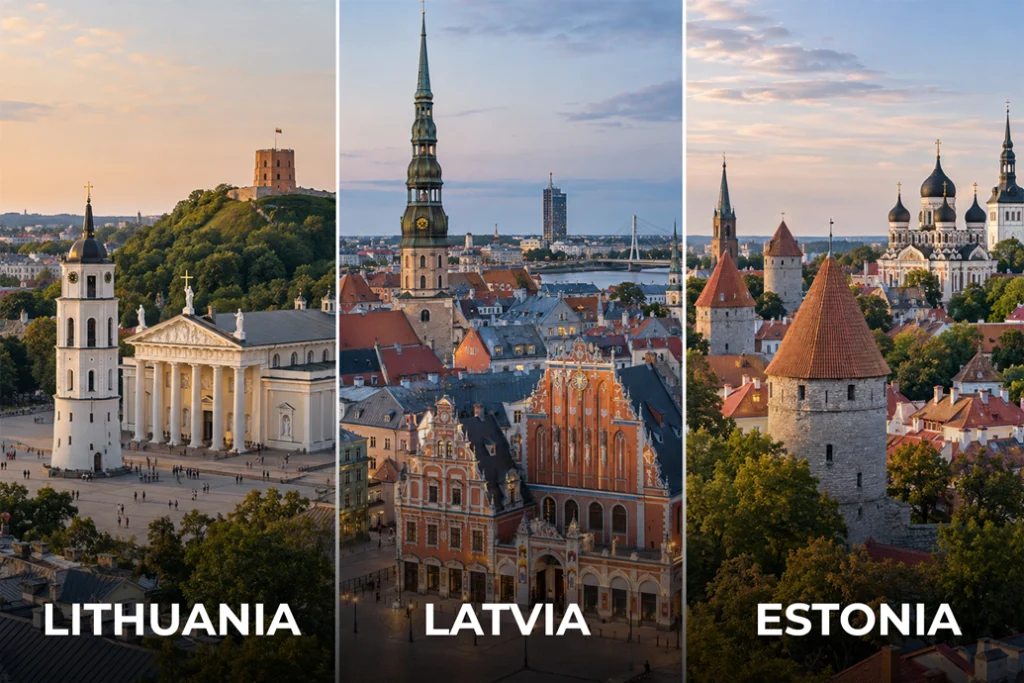
Reading Time: 9 minutesIf you are deciding which Baltic country to visit first, choose Estonia for the strongest medieval atmosphere and the easiest short city break, Latvia for the most balanced mix of big-city energy, architecture and day trips, or Lithuania for the widest variety of history, castles, coast and slower-paced exploration. So, If you have only three or four days, pick one country and stay focused. If you have seven to ten days, visiting all three capitals – Vilnius, Riga and Tallinn – is realistic and usually more rewarding than forcing a single winner. The Baltic states are neighbors, but they do not feel like three versions of the same destination. Estonia has a Finnic language and a noticeable Nordic influence; Latvia sits geographically and culturally between its neighbors; Lithuania has a stronger Central European and Catholic imprint. Their capitals also developed very differently: Tallinn is known for its preserved medieval urban fabric, Riga for Art Nouveau and a larger urban scale, and Vilnius for a broad historic center shaped by Gothic, Renaissance, Baroque, and Classical architecture. Read More: Explore Our Baltic States Travel Guide Lithuania vs. Latvia vs. Estonia: Quick Comparison Category Lithuania Latvia Estonia Capital Vilnius Riga Tallinn Best for Variety, history, road trips Architecture, food, nightlife, day trips Medieval atmosphere, compact breaks, islands Old-town character Large, Baroque, lived-in Medieval core + Art Nouveau districts Most complete medieval feel Nature highlight Curonian Spit, lakes, forests Gauja National Park, Baltic beaches Bogs, forests, islands, Lahemaa Coast access Excellent, but far from Vilnius Easy from Riga via Jūrmala Easy from Tallinn; islands add depth Ideal first trip 5-7 days 3-5 days 2-5 days Choose it first if… You want the most variety You want one flexible city base You want maximum impact in little time 1. Estonia: Best for a Short, High-Impact First Trip Estonia is the easiest answer for travelers who want a compact introduction to the Baltics without sacrificing atmosphere. Tallinn’s Old Town is the main reason. UNESCO calls it an exceptionally complete and well-preserved medieval northern European trading city, with its upper town on Toompea and lower town still retaining a remarkable amount of medieval street pattern, walls, merchant houses and civic architecture. That concentration makes Tallinn immediately legible to a first-time visitor: you can understand the city on foot and see a great deal in two or three days. (Source: UNESCO World Heritage Centre.) Read More: Lahemaa National Park in Estonia Trending New Year Latvia Vacation Package : New Years in Riga December 4 Days / 3 Nights Trending New Year Latvia Vacation Package : The Grand Tour of Lithuania (13 Days, 12 Nights) Book Your Latvia Tour Now! What Tallinn feels like Tallinn is the most overtly medieval of the three capitals. Expect stone lanes, defensive towers, steep viewpoints, church spires and a compact historic core. Outside the Old Town, areas such as Kalamaja and the Telliskivi creative district show the city’s more contemporary side, so the experience is not limited to a preserved center. Best day trips and nature Estonia becomes more interesting when you look beyond Tallinn. Lahemaa National Park offers forests, coastline, manor houses and bog landscapes close enough for a day trip. Tartu provides a younger university-city atmosphere, while Saaremaa and Hiiumaa add islands, windmills, quiet roads and a more remote Baltic character. This is the strongest choice if islands, bog walks and northern landscapes matter to you. Who should choose Estonia first? You have a long weekend or 2-4 days. You care most about a beautiful, walkable Old Town. Tourists might like medieval history, design, saunas, islands or quiet nature. You may want to combine the trip with Helsinki by ferry. 2. Latvia: Best All-Rounder for City Life, Architecture and Day Trips Latvia is the most balanced first choice if you want a fuller city experience rather than a purely old-town-focused trip. Riga is larger in feel than Tallinn or Vilnius and mixes a medieval core with wide boulevards, markets, wooden neighborhoods and major Art Nouveau districts. UNESCO describes Riga as a city with an outstanding concentration of Art Nouveau architecture and notes how its historic center preserves distinct medieval, boulevard, and former suburban urban landscapes. (Source: UNESCO World Heritage Centre.) Why Riga stands out Riga works well for travelers who want architecture during the day and restaurants, bars, or live city energy in the evening. The Central Market, the Daugava riverfront, the Old Town, and the Art Nouveau streets around Alberta iela and Elizabetes iela create more variety within the city than a simple medieval-core itinerary. Beaches and easy side trips Latvia has one of the easiest capital-to-coast combinations in the region. Jūrmala is the obvious beach escape from Riga, while Sigulda and Cēsis open up the Gauja National Park area for castles, hiking and forest scenery. Rundāle Palace is another strong cultural day trip. Because Riga sits between Lithuania and Estonia, it is also a convenient geographic base if you plan to continue north or south. Who should choose Latvia first? You want architecture beyond medieval streets. You care about food, markets and nightlife. A capital that supports several easy day trips. You are planning a multi-country Baltic route and want a central starting point. Read More: House of the Blackheads Latvia: All You Need to Know Before Visiting Trending New Year Latvia Vacation Package : The Grand Tour of Lithuania (13 Days, 12 Nights) Book Your Latvia Tour Now! 3. Lithuania: Best for Variety, Historic Depth and a Longer Itinerary Lithuania is the strongest first choice if you do not want your trip to revolve around one capital. Vilnius has a broad, layered historic center and a noticeably different character from Tallinn and Riga. UNESCO traces the city’s development around Gediminas Hill and its long role as the capital of the Grand Duchy of Lithuania, which grew into one of medieval Europe’s largest political entities. The result is a city where Catholic, Orthodox, and Jewish history, Baroque churches, courtyards, and later architecture sit close together. (Source: UNESCO World
Book Cheap and Convenient Flights to the Baltic States with Expert Assistance
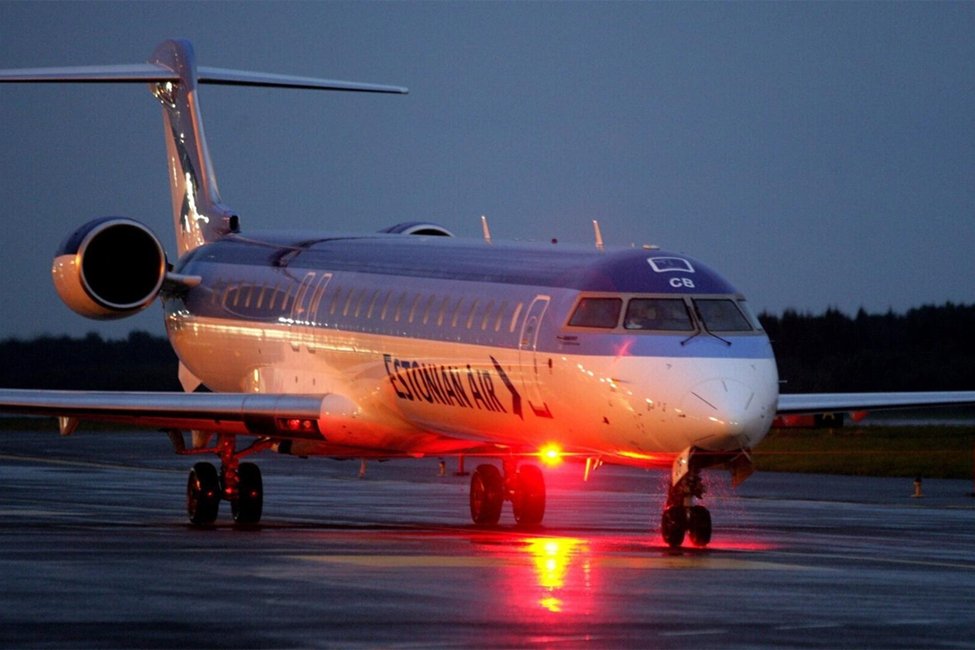
Reading Time: 11 minutesThere’s a particular kind of frustration that comes with trying to book flights to the Baltic States on your own. You open ten browser tabs, compare a dozen routing combinations, watch prices shift every time you refresh the page, and somehow still end up unsure whether you’ve actually found a good deal or just the least bad option among a confusing pile of choices. If that sounds familiar, you’re far from alone, and the good news is that it doesn’t have to be this hard. Estonia, Latvia, and Lithuania are genuinely some of the best-value travel destinations in all of Europe, but getting there affordably requires understanding a slightly different set of rules than booking flights to Paris or Rome. There are no direct flights from North America into any of the three Baltic capitals. Pricing fluctuates dramatically by season, by day of the week, and sometimes by the hour. And the smartest routing isn’t always the one that shows up first on a generic search engine. That’s exactly where we come in. We’ve spent over 32 years living and breathing this region, and that includes knowing the ins and outs of how to get our travelers here affordably and comfortably. Booking flights to the Baltic States through us means you’re not guessing your way through fare comparison sites; you’re working with a team who understands the routes, the seasonal patterns, and the airline partnerships that actually make a difference to your bottom line. In this guide, we’ll walk you through everything that affects the cost and convenience of flying to the Baltic States, the routing realities, the booking strategies that genuinely save money, the airlines worth knowing, and how combining your flight with one of our expertly guided tours can make your entire trip smoother and more affordable than booking everything separately. Read More: Affordable Flights to the Baltic States: Your Guide Trending Baltic Vacation Package: BALTIC HIGHLIGHTS – 8 DAYS / 7 NIGHTS Book Your Flight to Baltic States With Us Today! Book Your Estonia Tour Now! Understanding How Flights to the Baltic States Actually Work Before getting into pricing strategy, it helps to understand the basic shape of how international flights to the Baltic States are routed, because this directly affects where you should be looking for the best fares and how we structure flight planning for our travelers. No Direct Flights from the United States This is the most important fact to know upfront. There are no nonstop flights from the United States or Canada to Tallinn, Riga, or Vilnius. Every itinerary from North America requires at least one connection, typically through a major European hub. Common layover cities include Frankfurt, Amsterdam, and Helsinki, with airlines such as Lufthansa, KLM, and Finnair frequently servicing these connecting routes. This isn’t a downside so much as a planning consideration; a well-chosen layover can work in your favor, particularly when it routes you through an airline’s primary hub where service and reliability tend to be strongest. We regularly help travelers choose between these connection options based on total travel time, comfort, and price, rather than just defaulting to whichever option a search engine surfaces first. Within Europe, Direct Flights Are Plentiful If you’re already in Europe, the picture changes considerably. There’s a wide range of direct flights available to all three Baltic capitals. airBaltic, the flag carrier most closely associated with the region, operates an extensive network with numerous direct connections to Tallinn, Riga, and Vilnius from cities across the continent, and is consistently praised for punctuality, affordability, and service quality. Budget carriers including Ryanair and Wizz Air also offer direct, budget-friendly routes from major cities like London, Berlin, and Paris. Intra-Baltic Connections Make Multi-Country Trips Simple One of the genuine advantages of Baltic travel is how easily you can move between all three countries. airBaltic offers numerous direct flights connecting Tallinn, Riga, and Vilnius, making it simple and affordable to explore Estonia, Latvia, and Lithuania within a single trip. For travelers booking one of our multi-country Baltic States packages, this intra-regional connectivity is a major part of why a single trip covering all three countries works so efficiently, both in terms of time and cost. The Three Main Gateway Airports Each Baltic capital has its own primary international gateway: Tallinn Airport (TLL) in Estonia, Riga International Airport (RIX) in Latvia, and Vilnius International Airport (VNO) in Lithuania. Riga International Airport is the largest and busiest of the three, serving as the main hub for airBaltic and offering the widest range of direct connections across Europe, Asia, and the Middle East. All three airports are conveniently close to their respective city centers, typically a 15–20 minute transfer, which keeps arrival logistics simple regardless of which capital you fly into first. Read More: Discover the Best Flights to Latvia: Your Ultimate Guide Trending Package: BALTIC METROPOLES – 10 DAYS / 9 NIGHTS Talk to Us About Your Baltic Flight Routing Book Your Estonia Tour Now! Booking Strategies That Actually Lower the Price of Flights to the Baltic States Here’s where most of the real savings happen. Some of these tactics are well known; a few are less obvious but make a genuine difference, and we apply all of them when helping our travelers find the best possible fares. Book Two to Four Months in Advance The optimal window for booking international flights is typically between two and four months before departure. This window lets you take advantage of early-bird pricing while avoiding the steep last-minute surges that tend to hit fares inside the final few weeks before a flight. Given the more limited number of direct connecting options into the Baltics from North America, booking within this window matters even more than it might for a more heavily serviced route. Be Flexible with Your Travel Dates Flight prices can vary significantly depending on the season, day of the week, and even the time of day you’re flying. If your schedule allows any flexibility, shifting your departure by even a
How to Plan a Smooth and Affordable Baltic States Travel
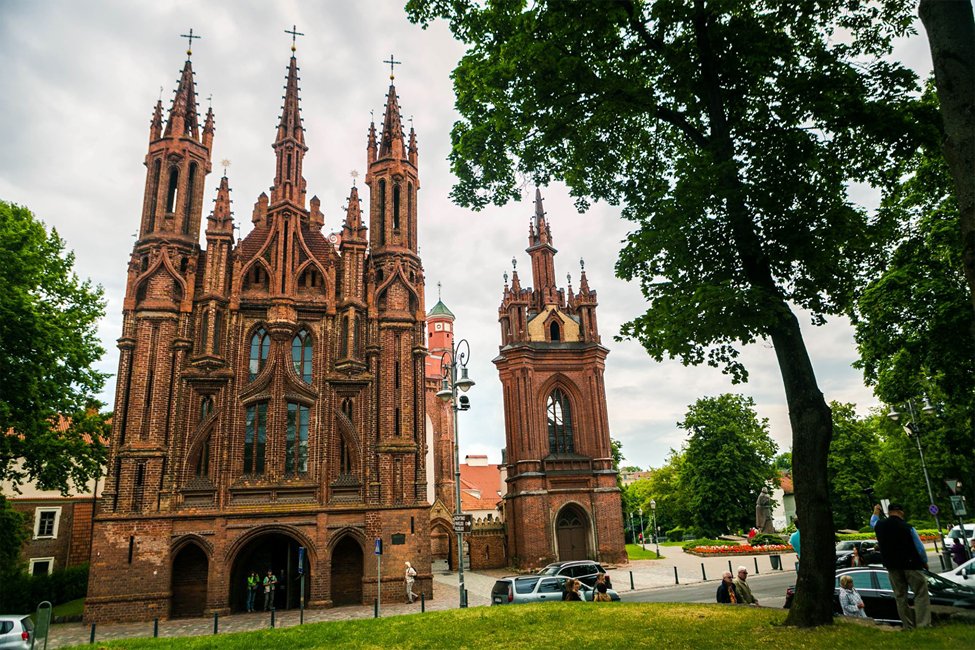
Reading Time: 10 minutesHere’s something most travelers don’t figure out until after they’ve already booked: planning a trip to the Baltic States is not particularly hard, but planning one that’s both smooth and affordable at the same time takes a bit more thought than just finding the cheapest package online and pressing confirm. The good news is that Baltic states travel has a genuinely generous ceiling when it comes to value. Estonia, Latvia, and Lithuania offer medieval cities, dramatic coastlines, ancient forests, extraordinary food, and one of the most fascinating layers of history in all of Europe, and they do it at a price point that makes Western Europe look extravagant by comparison. But “affordable” and “seamless” don’t always arrive together by default. You have to plan for both. The common mistake is booking too late and missing the best accommodation in the right locations. Underestimating travel time between cities. Choosing a tour operator who knows the region from a brochure rather than from three decades of on-the-ground experience. Packing an itinerary so tightly that there’s no room to actually enjoy being somewhere. We’ve seen all of it, and we know exactly what separates a Baltic trip that flows beautifully from one that leaves travelers wishing they’d done things differently. So, this guide is the practical one. Not just inspiration, but a real, step-by-step framework for planning Baltic states travel that’s organized, affordable, and genuinely worth every moment you’ll spend in this corner of the world. Whether you’re a first-time visitor or returning for a deeper look, this guide will help you get it right from the very first decision. Read More: Ultimate Guide to the Baltic States Tours: What Every Traveler Should Know Trending Baltic Vacation Package: BALTIC HIGHLIGHTS – 8 DAYS / 7 NIGHTS Request a Quote for Your Baltic States Trip Today! Book Your Estonia Tour Now! Step 1: Decide What Kind of Baltic Trip You Actually Want Before you touch a booking platform or start comparing prices, the most important thing you can do is get clear on what kind of trip this is. Baltic states travel can look very different depending on who you are and what you’re after, and the clearer you are on this upfront, the smoother every subsequent decision becomes. Are You Visiting All Three Countries or Just One? This is the first fork in the road. All three Baltic nations, Estonia, Latvia, and Lithuania, are compact enough that a single trip can cover all three comfortably in 8–14 days. If this is your first time in the region, a multi-country itinerary is almost always the right call. The geographic proximity means you can move between capital cities in a few hours by road, and covering all three in one trip is significantly more cost-efficient than three separate journeys. If you’ve visited before and want to go deeper into a single country, spending more time in the Latvian countryside, or exploring Estonia’s islands and national parks beyond Tallinn, a single-country focus makes sense. But for most first-timers, the multi-country Baltic route is the trip. What’s Your Travel Style? Be honest with yourself here. Do you want a structured guided tour where the logistics are handled and a knowledgeable local shows you the context behind what you’re seeing? Or do you prefer independent travel where you move at your own pace with occasional guided experiences built in? Both approaches work in the Baltics. But guided tours, especially through a specialist Baltic travel company with deep regional knowledge, tend to deliver dramatically more value in a region that’s less saturated with tourist infrastructure than Western Europe. A great guide here doesn’t just tell you facts; they reframe the entire destination. How Much Time Do You Have? This is the single most important practical constraint in your planning. Our honest recommendations: 7–8 days: Baltic Highlights, the three capitals plus one or two-day excursions 10 days: Deeper city exploration plus significant time in the countryside or on the coast 14 days: Full Baltic immersion, cities, national parks, coastal areas, rural villages, and room to breathe If your window is shorter than 7 days, focus on one or two destinations rather than rushing across all three countries. A rushed Baltic trip doesn’t do justice to the region. Step 2: Plan Your Timing, When to Go for the Best Balance of Cost and Experience Timing your Baltic states travel correctly is one of the most powerful levers you have on both cost and experience quality. Here’s how the calendar breaks down: Peak Season: June to August Summer is the Baltics at their most vibrant, with long days (sometimes 18+ hours of daylight in midsummer), outdoor festivals, beach season on the Latvian coast near Jūrmala, and the region’s famous song and dance celebrations. The weather is warm and reliable. The trade-off: peak season prices. Accommodation costs rise significantly, popular tour slots book out months in advance, and the most-visited parts of Tallinn and Vilnius’s Old Towns get genuinely crowded. Best for: Travelers who prioritize weather and atmosphere and have flexibility on budget. Shoulder Season: Late April–May and September–October This is the sweet spot for most travelers combining value with quality of experience. Temperatures are comfortable (typically 12–18°C), the main attractions are accessible without heavy crowds, and both accommodation and tour pricing are noticeably lower than peak summer. May is particularly beautiful, with spring foliage, wildflowers in the national parks, and long daylight hours without the tourist premium. September brings golden autumn light, harvest season in the countryside, and a noticeably more local feel to the cities. Best for: Travelers who want excellent value without sacrificing comfort or accessibility. Low Season: November to March Winter Baltic states travel is genuinely magical for the right kind of traveler. Snow-covered medieval towns, Christmas markets in Vilnius and Tallinn, dramatically lower prices across accommodation and tours, and an authentic, un-touristy atmosphere that summer visitors never see. The trade-offs are real, though: short days, cold temperatures (sometimes well below freezing), and some seasonal attractions closed or
Top Websites to Compare Baltic States Tours Packages
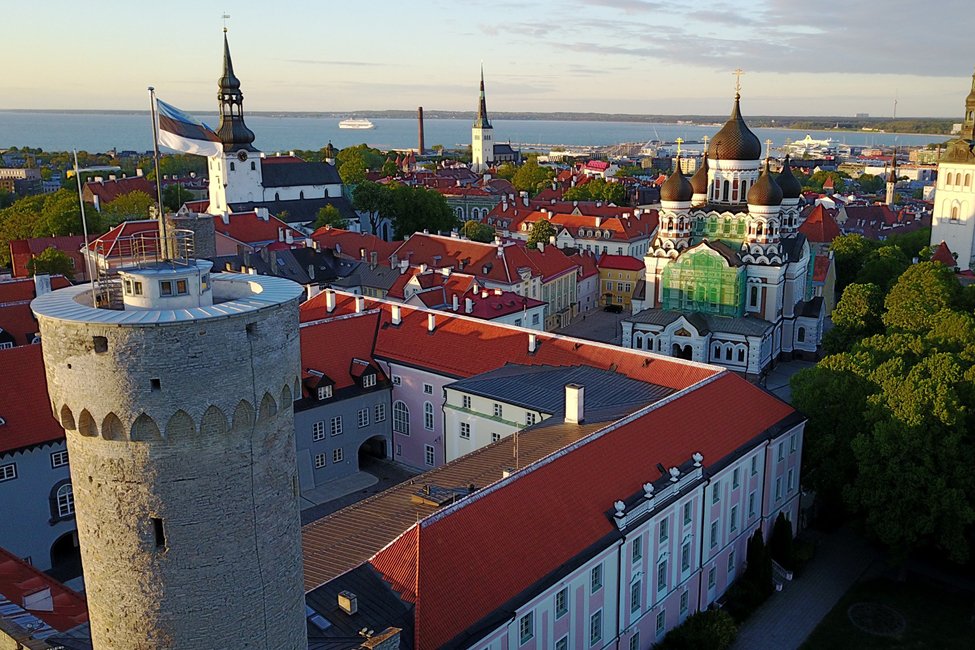
Reading Time: 10 minutesPlanning a vacation across Europe is an incredibly exciting milestone, but the moment you decide to deviate from the well-worn tourist track of London, Paris, and Rome, the planning process shifts dramatically. The Baltic States, Estonia, Latvia, and Lithuania, are home to some of the most spectacular medieval architecture, untouched old-growth forests, and deeply moving cultural histories on the continent. Yet, because this magical region is still a hidden gem for many Western travelers, finding reliable, detailed, and objective information online can be a genuine challenge. When you open up a search engine to compare potential travel itineraries, you are immediately bombarded by hundreds of competing websites. Some are massive, corporate travel supermarkets that sell everything from cruises to flights, while others are tiny, unverified local agencies. Sorting through these options to figure out who to trust with your hard-earned vacation time and money can feel completely overwhelming. If you choose incorrectly, you risk booking a rigid, crowded coach tour that leaves you stranded with 40 strangers, rushing past the very sights you wanted to experience. The goal of this comprehensive guide is to cut through the digital noise. We will analyze the top platforms travelers use to compare Baltic States tours, examine the distinct structural categories of tour companies online, break down a flawless multi-country travel itinerary, and arm you with the exact questions you need to ask before entering your credit card information. Read More: For a foundational understanding of what makes travel in this region so unique, read our Ultimate Guide to the Baltic States Tours: What Every Traveler Should Know Book Your Estonia Tour Now! Trending Package Highlight: Baltic Highlights – 8 Days / 7 Nights If you prefer to bypass the endless hours of online research and book a proven, expertly balanced route through all three nations, our most popular itinerary handles all the heavy lifting for you. Route: Vilnius (Lithuania) → Riga (Latvia) → Tallinn (Estonia) Duration: 8 Days / 7 Nights Book Your Estonia Tour Now! The Landscape of Tour Comparison Sites: Where Should You Shop? To successfully compare Baltic States tours, you first need to understand that not all travel websites are created equal. The internet is divided into three primary types of platforms, each serving a fundamentally different purpose for the consumer. Understanding these distinctions will save you dozens of hours of aimless browsing. 1. Global Aggregators and Marketplaces (TourRadar, Travelstride, Viator) Global aggregators act as massive online directories. They do not operate any tours themselves; instead, they function as a digital storefront where third-party companies list their itineraries. How They Work: You type in “Baltic States,” and the algorithm spits out hundreds of results ranging from budget backpacking trips to luxury private escorts. The Advantages: These platforms are fantastic for high-level research. Their filtering tools allow you to sort packages by exact price range, age demographics, trip duration, and overall user review scores. The Critical Disadvantages: They possess zero specialized regional knowledge. If you call their customer service line to ask whether a specific itinerary allows enough time to explore the Art Nouveau district in Riga or if the transport layout accounts for border crossings, you will be speaking to a generic call center representative reading from a script. Furthermore, these platforms charge operators hefty commission fees, which can sometimes artificially inflate prices or result in rigid customer service if you need to modify your booking later. 2. Generalist European Tour Operators (The Big-Box Brands) These are the household-name travel brands that sell massive, multi-country coach tours spanning dozens of countries worldwide. You will see them offering “Scandinavia & The Baltics” or “Eastern Europe Express” packages. How They Work: They design standardized, high-volume itineraries aimed at the widest possible audience. The Advantages: They offer highly predictable, industrialized logistics. You know exactly what kind of large-scale motorcoach you will be riding in, and their departure dates are highly consistent. The Disadvantages: These companies treat the Baltic States as a minor line-item in a massive global brochure. Because they cater to massive groups of 35 to 50 travelers, their itineraries are incredibly rigid. They focus entirely on surface-level, “checkbox” tourism. To cut costs, they frequently book massive corporate hotels located far out in the industrial suburbs or near highways rather than boutique properties nestled inside historical old towns. 3. Dedicated Regional Specialists (The Expert Advantage) Boutique regional operators do not try to be everything to everyone. They do not sell tours to Italy, Peru, or Thailand. Instead, they focus their entire operational infrastructure, staff, and passion on one specific corner of the world, such as Vytis Tours, which has focused exclusively on Estonia, Latvia, and Lithuania for over 32 years. How They Work: They craft deeply immersive itineraries based on decades of boots-on-the-ground experience, local relationships, and cultural expertise. The Advantages: A regional specialist understands the actual rhythms, seasonal shifts, and cultural nuances of the Baltics. They cap their groups at small sizes, allowing travelers to stay in authentic, locally owned boutique hotels right in the heart of historic medieval districts. Their guides are not reading historical dates from a textbook; they are locals who share personal stories about their families living through the Soviet occupation or participating in the historic 1989 Baltic Way peaceful protest. The Disadvantages: Because they prioritize quality over raw volume, their small-group departures are limited and tend to book out many months in advance. Core Platform Comparison Matrix When you are weighing your options across different styles of websites, use this matrix to evaluate what you are actually getting for your investment: Structural Metric Global Aggregators Generalist Brands Regional Specialists Primary Operational Role Third-party directory marketplace Broad multi-country tour operator Dedicated regional expert agency Customer Service Depth Basic call-center support Standard corporate travel desk Direct access to regional itinerary designers Average Group Size Unverified / Varies wildly Very large (35–50 passengers) Intimate (12–16 passengers max) Accommodation Strategy Unverified / Dependent on listing Large chain hotels outside the city center Hand-selected boutique stays in historic centers Guide
Finding the Best Baltic Travel Company for Customized Europe Trips
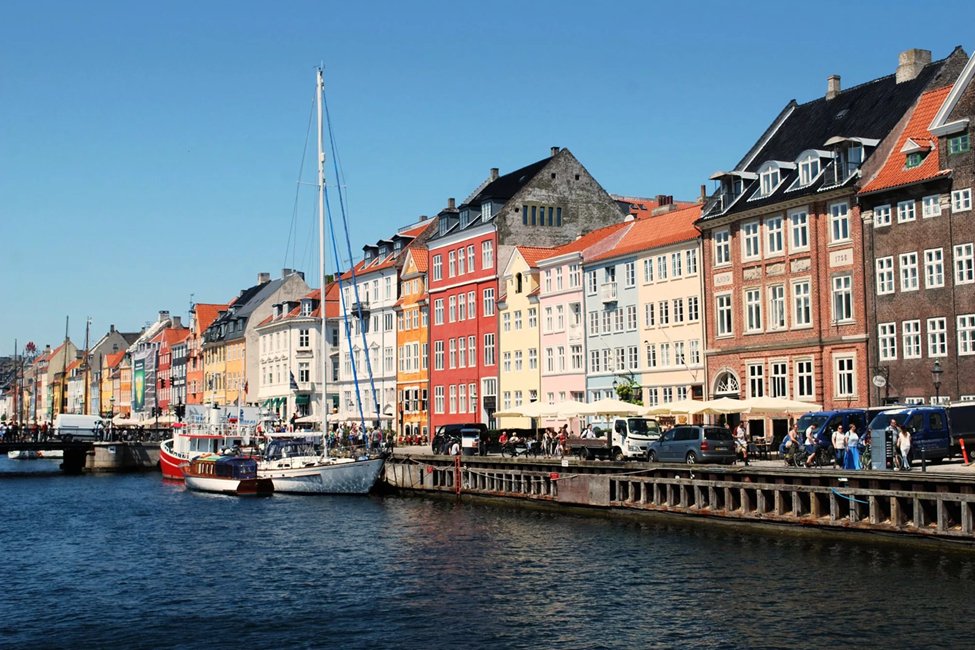
Reading Time: 11 minutesPlanning a trip to the Baltic States isn’t quite the same as booking a week in Paris or Rome. There aren’t as many traveler forums dedicated to it. Your friends might not have been. And the sheer number of options online, from big-box booking platforms to one-person operations, makes it genuinely hard to know who to trust when you want something tailored to your schedule, your budget, and the way you like to travel. That’s exactly why choosing the right Baltic travel company matters far more here than it does for well-worn tourist trails. A great operator can turn Estonia, Latvia, and Lithuania into one of the most memorable travel experiences of your life. A bad one can leave you stuck in a coach with 40 strangers, ticking off landmarks you didn’t care about and missing the ones you did. And if you’re specifically looking for customized Europe trips, not just an off-the-shelf itinerary, but a journey that actually fits you, then the company you choose becomes the most important decision you’ll make in the entire planning process. So how do you find them? What separates a genuinely specialist Baltic travel company from one that just uses the right buzzwords on a website? And what does a truly customized Baltic trip actually look like in practice? That’s what this guide is all about. We’ll walk you through everything you need to know, what to look for, what questions to ask, which red flags to avoid, and why operators like Vytis Tours consistently stand out in a crowded market for travelers who want more than a generic tour. Read More: Top Baltic Tour Packages Worth Booking Now Trending Baltic Vacation Package: BALTIC HIGHLIGHTS – 8 DAYS / 7 NIGHTS Request a Quote for Your Baltic Tour Today! Book Your Estonia Tour Now! Why the Right Baltic Travel Company Makes All the Difference When you’re visiting the Baltics for the first time, you’re stepping into a region that most Western travelers genuinely don’t know well. The history is layered and fascinating: Soviet occupation, medieval heritage, song and dance traditions that carried entire nations through decades of suppression. The landscapes shift from dense forest to Baltic Sea coastline to bog trails to fairy-tale castle islands. The food scene in cities like Vilnius and Riga has quietly become one of the most interesting in Northern Europe. None of that richness is available on a surface-level tour. A generic coach tour will get you in front of the correct postcards. A truly good Baltic travel company will get you inside them, talking to a local guide who grew up under Soviet rule, eating lunch at a market where Riga residents actually shop, standing quietly at the Hill of Crosses in Lithuania before the crowds arrive, and understanding what you’re actually looking at. That’s the difference customization makes. And that’s why the company you choose is not a logistical detail; it’s the thing that determines what kind of trip you’ll actually have. The Baltics Reward Travelers Who Go Deeper Unlike major European destinations where the experience is largely the same regardless of how you get there, the Baltic States reward travelers who put in the effort to plan thoughtfully. Local knowledge here- knowing which guesthouse sits on a lake in the Latvian countryside, which national park has a sunrise walk that most tour operators skip, which restaurant in Tallinn’s Old Town serves food that locals actually recommend, is genuinely hard to come by unless you’re working with someone who lives and breathes this region. This is precisely why the Baltic travel company you choose needs to be a genuine regional specialist, not a generalist European tour operator who added the Baltics to their brochure. What to Look for in a Baltic Travel Company Exclusive Regional Focus The first and most telling question to ask any operator is: do you specialize in the Baltic States, or do you offer them as part of a broader European portfolio? There’s a meaningful difference. A company that sells tours across 25 European countries is spread thin. Their guides may cover multiple unrelated regions. Their accommodation choices are often based on rate negotiations rather than quality. Their itineraries are built to work for the widest possible audience, not for the traveler in front of them. A company that focuses exclusively on Estonia, Latvia, and Lithuania, or Baltic & Beyond itineraries that extend into neighboring countries with the same depth of knowledge, has fundamentally different expertise. They know the region’s seasonal rhythms, the regional transport quirks, the local guides worth working with, and the hidden experiences that make the difference between a good trip and a great one. Vytis Tours has operated exclusively in the Baltic States for over 32 years. That’s not a marketing claim; it’s a meaningful signal about the depth of knowledge and local relationship network that underpins every itinerary they build. Genuine Customization vs. Checkbox Flexibility Lots of tour companies will tell you their trips are “customizable.” What that often means in practice is: you can choose between three pre-set packages, and maybe swap one hotel. Real customization means something different. It means a company that will: Start from your interests, not their brochure Build an itinerary around the experiences that matter to you, whether that’s medieval history, coastal scenery, amber craft traditions, Soviet-era architecture, or foodie culture Adjust the pace and group size to suit how you travel Build in free time for independent exploration rather than packing every hour with scheduled activities Be honest about what’s worth visiting and what can be skipped When evaluating any Baltic travel company, ask them directly: if I gave you a blank page and told you what I love about travel, what would you build for me? The quality and specificity of the answer tells you everything. Local Guides with Real Regional Knowledge Your guide is the single biggest factor in the quality of your on-the-ground experience. A local guide who has deep roots in Vilnius, Riga, or Tallinn
Where to Book the Most Affordable Baltic Tours Online
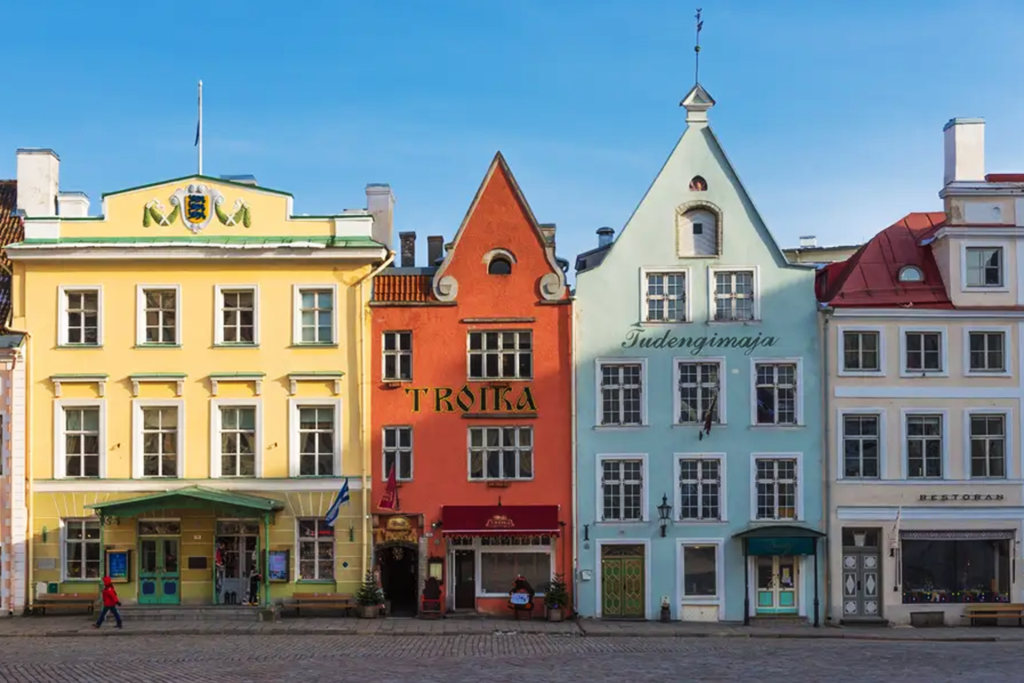
Reading Time: 11 minutesIf you’ve been dreaming about exploring the Baltic States, Estonia, Latvia, and Lithuania, but keep putting it off because you think it’ll cost a fortune, here’s the honest truth: the Baltics are one of the most wallet-friendly regions in all of Europe. The bigger challenge isn’t the cost of the destination itself. It’s knowing where to look for genuinely affordable Baltic tours without accidentally compromising on quality or experience. There’s a lot of noise online. You’ll find flashy deals on generic booking platforms, suspiciously cheap packages with hidden fees, and tour operators who treat the Baltic region as an afterthought on a broader European route. If you’re not careful, you’ll either overpay or end up with a cookie-cutter itinerary that doesn’t do justice to this incredible corner of the world. The good news is that booking an affordable, high-quality Baltic tour online is absolutely possible; you just need to know what to look for, which platforms to trust, and what questions to ask before handing over your money. In this guide, we’ll walk you through everything: where to search, what to compare, which tour formats save you the most money, and how specialist operators like Vytis Tours offer genuinely competitive value for travelers who want the real Baltic experience without inflated costs. Whether you’re planning a solo escape, a family trip, or a group adventure across all three Baltic countries, this guide will help you make a smart, informed booking decision. Read More: Top Baltic Tour Packages Worth Booking Now Trending Baltic Vacation Package: BALTIC HIGHLIGHTS – 8 DAYS / 7 NIGHTS Request a Quote for Your Baltic Tour Today! Book Your Estonia Tour Now! Why the Baltic States Are One of Europe’s Most Affordable Destinations Before we get into where to book, it’s worth understanding why the Baltics are so cost-effective in the first place, because this context helps you spot genuine value versus a deal that’s cheap for the wrong reasons. Lower Cost of Living Compared to Western Europe Estonia, Latvia, and Lithuania all have significantly lower day-to-day costs compared to countries like France, Germany, or the UK. This means local services, transport, accommodation, food, and guided experiences are priced more accessibly for travelers, and that affordability gets passed along when you book a tour package. A dinner at a traditional Lithuanian restaurant in Vilnius will typically cost a fraction of what you’d pay in Paris or Amsterdam, and the quality? Often just as impressive, sometimes even more authentic. Value-Rich Experiences Without the Tourist Premiums Unlike heavily saturated destinations like Rome or Barcelona, the Baltic cities haven’t fully priced in a “tourist premium.” That means experiences like visiting Trakai Castle, exploring the medieval streets of Tallinn’s Old Town, or walking Riga’s Art Nouveau district come at a cost that genuinely reflects the local economy, not an inflated tourist rate. Compact Geography = Efficient, Low-Cost Itineraries All three Baltic countries together are about the size of the UK. This compactness means tours can cover a remarkable amount of ground in a short time, which reduces the per-day cost of accommodation, transport, and guiding significantly. A 7–10 day Baltic tour can genuinely cover highlights across three countries; that’s outstanding value compared to multi-country trips elsewhere in Europe. What to Look for When Booking Baltic Tours Online Not all “affordable” tours are created equal. Here’s how to filter out the noise and identify a package that’s genuinely good value: Specialist Operators vs. Generic Booking Platforms This is the single most important distinction to understand when searching for affordable Baltic tours online. Generic platforms like Viator, Get Your Guide, or even large OTAs (Online Travel Agencies) aggregate tours from dozens of operators. You might find something that looks cheap — but you’re often getting: Rushed group tours with 40+ people Guides who cover multiple unrelated regions with surface-level knowledge Hidden add-on costs for meals, transfers, or park entry Minimal flexibility in the itinerary Specialist Baltic tour operators, on the other hand, focus exclusively on this region. They have deeper local knowledge, established relationships with accommodation and transport providers, and they’ve refined their itineraries over years, sometimes decades. This expertise translates directly into cost efficiency: they know exactly what’s worth paying for and what’s overpriced. Vytis Tours, for example, has been operating Baltic tours for over 32 years exclusively in the Baltic region. That kind of focused expertise means better pricing, better routing, and a genuinely higher-quality experience at the same or lower cost than what you’d piece together on a generic platform. What to Look for When Booking Baltic Tours Online When comparing tour prices online, always look beyond the headline number. A tour quoted at $1,200 per person might actually cost $1,600 by the time you add: Airport transfers Accommodation upgrades Park entrance fees Meals not included in the base price Tips and gratuities Before booking, always confirm: Is accommodation included? What category? Are all transfers (airport, between cities) covered? Are entrance fees to key sites included? How many meals are included per day? What’s the maximum group size? A slightly higher headline price from a reputable operator that includes all of the above is almost always better value than a “cheap” package that nickels-and-dimes you along the way. Group Size and Tour Format Group size has a direct impact on both price and experience quality. Larger group tours (20–40 people) are typically cheaper per person but come at the cost of flexibility, pacing, and personal attention. Small-group tours (8–16 people) cost a bit more upfront but tend to offer dramatically better access to local experiences and a more personalized itinerary. If you’re traveling with your own group, family, friends, or colleagues, private tours can actually work out highly competitive on a per-person basis, especially when you factor in the flexibility to customize your itinerary to your specific interests. Read More: Why Group Baltic Tours Are a Stress-Free Way to Travel Trending Baltic Package: BALTIC METROPOLES – 10 DAYS / 9 NIGHTS Book Your Baltic Tour With Vytis Tours Today
Why Group Baltic Tours Are a Stress-Free Way to Travel
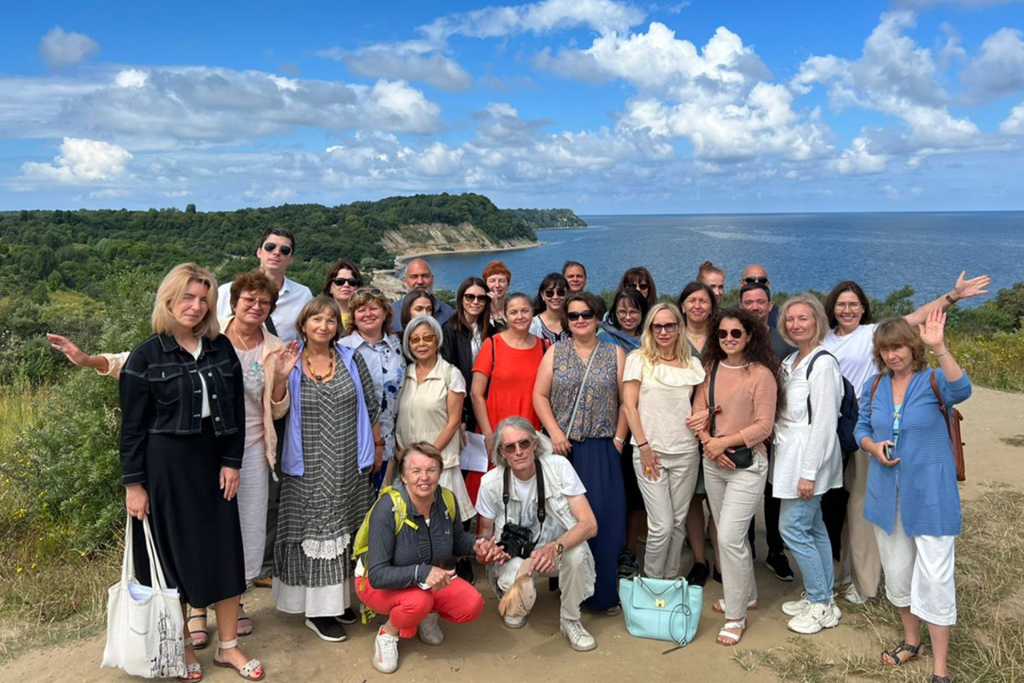
Reading Time: 4 minutesPlanning a trip across multiple countries can sometimes feel more exhausting than exciting. Between organizing transportation, booking hotels, researching routes, managing schedules, and figuring out what’s actually worth seeing, travel can quickly become overwhelming, especially in a region you’ve never visited before. That’s one reason group Baltic tours have become increasingly popular. For travelers exploring Lithuania, Latvia, and Estonia, organized tours remove much of the stress while still allowing people to experience the culture, history, and beauty that make the Baltics so memorable. The Baltic States are relatively easy to travel through independently, but group tours simplify the entire experience in a way many travelers end up appreciating more than expected. Instead of constantly worrying about logistics, travelers can focus on enjoying medieval cities, peaceful landscapes, local food, and meaningful experiences along the way. Everything Is Organized for You One of the biggest advantages of group Baltic tours is convenience. Traveling through three different countries means managing accommodations, transportation schedules, border crossings, sightseeing plans, and timing. Even though the Baltics are compact, organizing all of these details still takes time and energy. With a group tour, most of that work is already handled. Hotels, transportation, guided experiences, and routes are arranged in advance, allowing travelers to simply follow the journey without constantly checking maps or schedules. This creates a much more relaxed travel experience. Instead of spending hours researching train connections or worrying about missing buses, you can spend your time actually enjoying the places you came to see. For many travelers, especially first-time visitors to the region, that peace of mind makes a huge difference. Traveling Between Baltic Countries Becomes Easier Lithuania, Latvia, and Estonia may be neighboring countries, but planning smooth travel between them can still feel complicated if you’re unfamiliar with the region. Group tours remove that uncertainty completely. Transportation between cities and countries is coordinated efficiently, which helps the trip feel seamless rather than stressful. You don’t need to figure out: Bus schedules Rental car logistics Parking rules Navigation Cross-border travel planning Instead, you simply enjoy the changing scenery as the journey naturally moves from one country to the next. This is especially valuable in the Baltics because the experience is often about enjoying the transitions, watching landscapes shift from Lithuanian lakes and forests to Latvian countryside and finally Estonia’s medieval coastlines. Local Guides Add Depth to the Experience One thing many travelers underestimate is how much a knowledgeable guide can improve a trip. The Baltics have a rich and complicated history shaped by medieval kingdoms, Soviet occupation, independence movements, and strong cultural traditions. Without context, travelers may miss much of what makes these places truly meaningful. Good group tours provide guides who explain not just historical facts, but also local culture, traditions, architecture, and everyday life. Suddenly, cities like Riga or Tallinn feel much more alive and connected rather than simply beautiful places to photograph. Guides also often introduce travelers to local food, hidden corners, and cultural insights they may never discover on their own. That added depth transforms the journey from simple sightseeing into a much more immersive experience. You Can Relax More and Plan Less Independent travel can sometimes feel like a constant decision-making process. Where should you eat? Which route should you take? Is this attraction worth visiting? Are you running behind schedule? Did you book the right hotel? Over time, even exciting travel decisions can become mentally exhausting. Group Baltic tours reduce that pressure significantly. Because the structure is already planned, travelers can settle into the experience rather than constantly managing it. This slower mental pace fits the Baltics especially well because the region itself feels calm and unhurried. The less time you spend stressing over logistics, the more naturally you begin to enjoy the atmosphere around you. Many travelers are surprised by how refreshing it feels to simply wake up and focus on the day ahead instead of organizing every detail themselves. Group Tours Often Include Hidden Gems When planning independently, travelers usually focus on famous cities like Vilnius, Riga, and Tallinn. While those places are absolutely worth visiting, many of the Baltics’ most memorable experiences happen outside the capitals. Group tours often include smaller destinations that travelers may otherwise skip, such as: Trakai in Lithuania Gauja National Park in Latvia Coastal villages Medieval countryside towns Forest retreats Local cultural experiences These stops add variety and authenticity to the trip while helping travelers experience a broader side of the region. Sometimes, the places travelers remember most are the ones they had never even heard of before arriving. Group Travel Can Feel More Social Traveling through the Baltics independently can occasionally feel quiet, especially outside major cities. For solo travelers or people who enjoy shared experiences, group tours provide built-in social interaction. You meet travelers from different backgrounds while sharing experiences, meals, and discoveries along the way. Conversations during bus rides, city walks, or dinners often become an unexpected highlight of the trip. At the same time, Baltic tours are usually relaxed enough that travelers still have personal space and free time when they want it. For many people, group travel creates a balance between companionship and independence that makes the journey more enjoyable overall. It’s Often More Cost-Effective Than Expected Many travelers assume organized tours are always expensive, but that’s not necessarily true in the Baltics. Because tour companies arrange transportation, hotels, and activities in bulk, group packages can sometimes offer surprisingly good value. Travelers also avoid unexpected costs related to navigation mistakes, last-minute bookings, or inefficient route planning. Additionally, Baltic countries themselves are generally more affordable than many Western European destinations, which helps keep tour pricing relatively reasonable. For travelers who value convenience and time-saving, the overall value can be excellent. The Baltics Are Perfect for Slower Group Travel One reason group tours work especially well in the Baltics is that the distances are short and the atmosphere is naturally relaxed. You’re not spending endless hours rushing between major landmarks.
Top Baltic Tour Packages Worth Booking Now
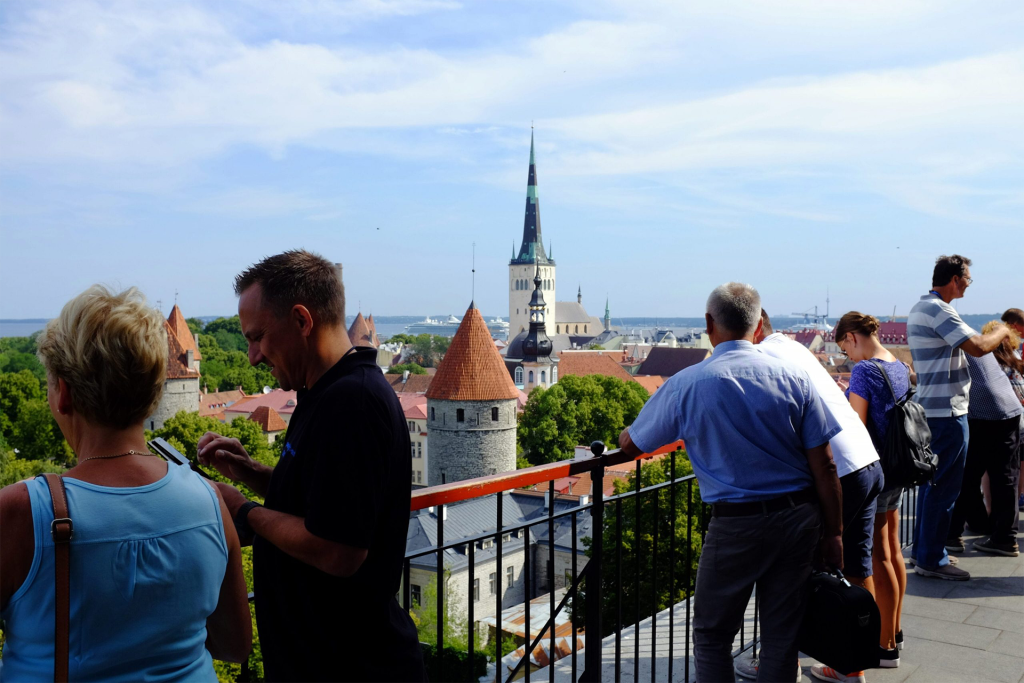
Reading Time: 5 minutesThe Baltic States, Lithuania, Latvia, and Estonia, have quietly become one of Europe’s most rewarding travel destinations. Travelers are increasingly drawn to the region for its medieval cities, peaceful landscapes, coastal beauty, and authentic cultural experiences that still feel untouched by mass tourism. But because the Baltics cover three different countries, planning the perfect trip can sometimes feel overwhelming. That’s why many travelers choose guided or curated tour packages that simplify transportation, accommodations, sightseeing, and local experiences while allowing them to fully enjoy the journey. The best Baltic tour packages are not just about checking cities off a list. They combine culture, history, nature, and local experiences in a way that helps travelers truly connect with the region. Whether you want a relaxed cultural getaway, a scenic road trip, a Christmas market escape, or a nature-focused adventure, there’s a Baltic itinerary designed for every travel style. Here are some of the top Baltic tour packages worth considering right now. The Classic Baltic Capitals Tour For first-time visitors, the classic capitals tour remains one of the most popular ways to experience the Baltics. This itinerary typically includes Vilnius, Riga, and Tallinn, allowing travelers to explore the distinct personalities of each capital city in one seamless journey. While all three cities share medieval roots and rich history, each one feels completely different once you arrive. Vilnius offers a warm and artistic atmosphere with its Baroque Old Town and creative neighborhoods. Riga feels larger and more energetic, known for its Art Nouveau architecture and lively urban culture. Tallinn, meanwhile, combines fairytale medieval streets with a surprisingly modern and digital identity. Most tours also include guided city walks, local food experiences, historical landmarks, and comfortable intercity transportation. Some itineraries add day trips to places like Trakai Castle or Gauja National Park, making the journey feel even more complete. This type of package is ideal for travelers who want a balanced introduction to the Baltics without the stress of organizing everything independently. Baltic Christmas Market Tours Winter in the Baltics feels magical, especially during the Christmas season. Tallinn, Riga, and Vilnius transform into cozy winter destinations filled with festive lights, snow-covered streets, holiday markets, and traditional seasonal food. Baltic Christmas market tours have become increasingly popular because they offer a quieter and more intimate alternative to the crowded Christmas destinations of Western Europe. Tallinn’s medieval Old Town looks especially enchanting during winter, while Riga’s festive atmosphere and Vilnius’ decorated city squares create a warm and inviting holiday experience. These tours usually include: Christmas market visits Seasonal cultural events Traditional Baltic winter cuisine Historic walking tours Cozy hotel stays in Old Town areas For travelers who enjoy winter travel, festive scenery, and cultural experiences, this is one of the most atmospheric ways to explore the region. Baltic Nature and National Parks Tours The Baltics are not just about cities. Some of the region’s most unforgettable experiences come from its forests, coastlines, lakes, and national parks. Nature-focused Baltic tours are perfect for travelers who prefer outdoor exploration and slower travel experiences. These itineraries often include places like: Lahemaa National Park in Estonia Gauja National Park in Latvia The Curonian Spit in Lithuania Estonia’s bog landscapes and islands Instead of rushing between attractions, these tours focus on hiking, coastal walks, wildlife, scenic drives, and authentic countryside experiences. Many travelers are surprised by how peaceful and untouched the Baltic landscapes feel. Even during peak travel seasons, many natural areas remain calm and uncrowded compared to other parts of Europe. These packages are ideal for photographers, nature lovers, and travelers looking to disconnect from busy urban environments. Baltic Road Trip Packages Road trip tours have become increasingly popular because they offer flexibility while still providing organized support. Some companies now offer self-drive Baltic tour packages that include: Rental cars Hotel bookings Suggested scenic routes Local recommendations Flexible itineraries This style of travel works especially well in the Baltics because the countries are compact, roads are easy to navigate, and distances between major attractions are relatively short. Road trip itineraries often allow travelers to explore smaller towns, coastal villages, hidden beaches, and countryside areas that larger group tours may skip. For independent travelers who enjoy flexibility but still want some structure and convenience, this can be one of the best ways to experience the region. Cultural and Heritage Tours The Baltic States have a deep and complex history shaped by medieval kingdoms, Soviet occupation, independence movements, and strong cultural traditions. Cultural heritage tours focus on helping travelers understand the region beyond its beautiful architecture. These packages often include: Museums and historical sites Soviet-era landmarks Castle tours Folk traditions Local artisan experiences Music and cultural performances In Lithuania, travelers may explore medieval castles and religious heritage sites. In Latvia, tours often focus on Riga’s cultural history and countryside traditions. Estonia tours may combine medieval history with modern digital innovation. These experiences appeal especially to travelers who enjoy meaningful, educational, and immersive travel rather than purely sightseeing-focused itineraries. Baltic and Scandinavian Combination Tours Because of their location, the Baltic States are often combined with Scandinavian destinations like Finland or Sweden. One of the most popular extensions is adding Helsinki to a Baltic itinerary, especially since ferries between Tallinn and Helsinki are quick and convenient. Some tours also combine the Baltics with Poland or Nordic cruises, creating a broader Northern European experience. These combination tours work well for travelers wanting to experience multiple cultures and landscapes within one larger journey. The contrast between Scandinavian modernism and Baltic medieval charm creates a particularly interesting travel combination. Luxury Baltic Tours Although the Baltics are generally more affordable than Western Europe, luxury travel in the region has grown significantly in recent years. Luxury Baltic packages often include: Boutique hotels Private guided tours Fine dining experiences Wellness retreats Spa stays Private transportation Estonia’s luxury spa resorts, Lithuania’s boutique countryside stays, and Latvia’s elegant Art Nouveau hotels all contribute to a refined but still relaxed travel experience. What makes luxury travel in the Baltics especially attractive is the
Ultimate Guide to the Baltic States Tours: What Every Should Know
Reading Time: 5 minutesDiscover the Baltic states Tours with this ultimate travel guide covering culture, history, top destinations, food, and tips.
Best Baltic Vacation Packages 2026/2027 – Tours of the Baltic States You Can’t Miss
Reading Time: 12 minutesPlanning a trip to Northern Europe in 2026 or 2027? The Baltic region is quickly becoming one of the most compelling destinations for professionals seeking culture, history, efficiency, and seamless travel experiences. From the medieval charm of Tallinn to the baroque elegance of Riga and the historic streets of Vilnius, the Baltics offer a rare combination of authenticity and accessibility.
